1744 · Toulon, France
The British blockade the French port of Toulon, an event that is among the numerous naval engagements of the War of the Austrian Succession.
June 17, 1940
The RMS Lancastria is sunk by German bombers near Saint-Nazaire, France, during World War II, resulting in the loss of thousands of lives.
Saint-Nazaire, France | Royal Navy
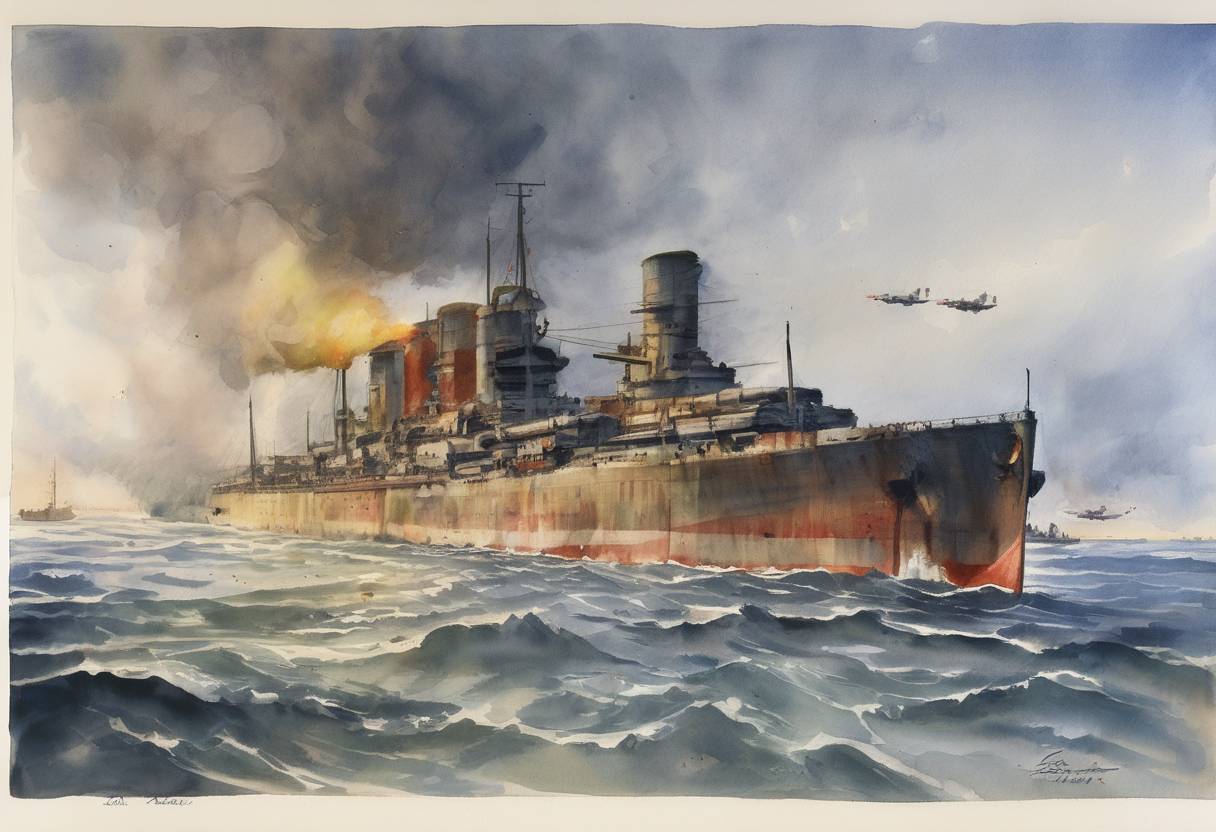
On June 17, 1940, the RMS Lancastria, a British ocean liner requisitioned as a troopship, was sunk by German bombers near Saint-Nazaire, France, during World War II. This tragic event resulted in one of the largest maritime disasters in British history, with the loss of thousands of lives.
RMS Lancastria: Originally launched in 1920, the Lancastria was a Cunard liner used for transatlantic voyages. With the outbreak of World War II, it was requisitioned by the British government for military purposes, including the evacuation of troops and civilians.
Operation Aerial: The sinking occurred during Operation Aerial, the evacuation of British and Allied forces from ports in western France following the fall of France to German forces. This operation followed the more famous Dunkirk evacuation (Operation Dynamo).
Location: The Lancastria was anchored off the coast of Saint-Nazaire, a port city in western France, where it was loading troops, RAF personnel, and civilian refugees.
Attack: On the afternoon of June 17, German Junkers Ju 88 bombers attacked the ship. The Lancastria was hit by several bombs, causing it to capsize and sink rapidly.
Casualties: The exact number of casualties remains uncertain, but estimates suggest that between 3,000 and 5,800 people perished. The ship was severely overcrowded, with reports indicating it carried over 6,000 people, far exceeding its official capacity.
Censorship: The British government, concerned about the potential impact on public morale, initially suppressed news of the disaster. Prime Minister Winston Churchill imposed a media blackout, which delayed public awareness of the tragedy.
Legacy: The sinking of the Lancastria remains a poignant reminder of the human cost of war. It is commemorated by memorials in the UK and France, and survivors and families of the victims have worked to ensure the event is remembered.
Historical Significance: The disaster highlighted the perilous nature of wartime evacuations and underscored the vulnerability of ships to aerial attacks. It also contributed to the broader narrative of the early, challenging years of World War II for the Allies.
The sinking of the RMS Lancastria is a somber chapter in World War II history, reflecting both the chaos of the early war years and the resilience of those involved in the evacuation efforts.
Source: en.wikipedia.org