Earthquake in Mexico on September 8, 2017
2017 · Pijijiapan, Mexico
A powerful earthquake with a magnitude of 8.2 struck off the southern coast of Mexico, causing significant damage and resulting in at least 98 deaths.
September 19, 2017
A powerful earthquake with a magnitude of 7.1 struck central Mexico, causing widespread damage and resulting in the deaths of over 350 people. The earthquake occurred on the anniversary of the devastating 1985 Mexico City earthquake.
Mexico City, Mexico | Mexican government
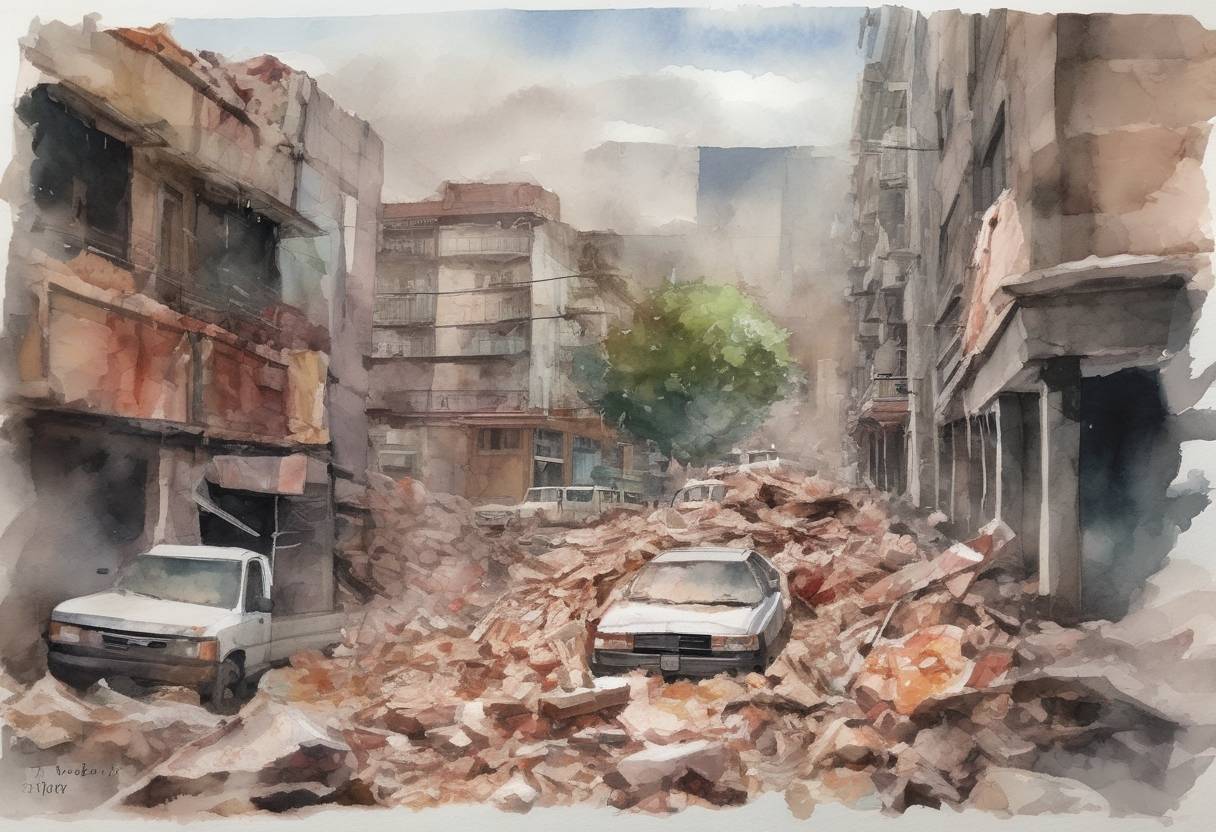
On September 19, 2017, a powerful earthquake with a magnitude of 7.1 struck central Mexico, causing significant destruction and resulting in the tragic loss of over 350 lives. This earthquake was particularly poignant as it occurred on the 32nd anniversary of the catastrophic 1985 Mexico City earthquake, which had a profound impact on the country.
Anniversary of the 1985 Earthquake: The 1985 earthquake was one of the deadliest in Mexico’s history, with thousands of casualties and extensive damage to Mexico City. The anniversary is marked annually with earthquake drills and commemorations, which were taking place on the morning of September 19, 2017.
Geological Setting: Mexico is situated on the Pacific Ring of Fire, a region known for its seismic activity due to the movement of tectonic plates. The country frequently experiences earthquakes, but the 2017 event was particularly severe.
Time and Location: The earthquake struck at 1:14 PM local time. The epicenter was located near the town of Raboso, in the state of Puebla, approximately 120 kilometers (75 miles) southeast of Mexico City.
Magnitude and Depth: With a magnitude of 7.1 and a relatively shallow depth of 51 kilometers (32 miles), the earthquake was powerful enough to cause widespread damage across several states, including Puebla, Morelos, and Mexico City.
Casualties and Injuries: Over 350 people lost their lives, and thousands were injured. The death toll was particularly high in Mexico City, where many buildings collapsed.
Structural Damage: Numerous buildings, including residential complexes, schools, and historical structures, were damaged or destroyed. The collapse of the Enrique Rébsamen School in Mexico City, where several children and teachers died, was one of the most heart-wrenching incidents.
Infrastructure: Roads, bridges, and other infrastructure suffered significant damage, complicating rescue and relief efforts.
Rescue Efforts: The Mexican government, military, and numerous volunteer groups quickly mobilized to conduct search and rescue operations. International aid and support were also offered.
Community Solidarity: The disaster prompted a remarkable outpouring of solidarity and volunteerism among Mexicans, with citizens forming human chains to remove debris and provide assistance.
Reconstruction and Recovery: In the months and years following the earthquake, efforts focused on rebuilding and strengthening infrastructure to better withstand future seismic events.
Seismic Preparedness: The earthquake underscored the importance of seismic preparedness and building regulations in earthquake-prone regions. It also highlighted the need for improved early warning systems.
Cultural Impact: The coincidence of the earthquake with the anniversary of the 1985 disaster reinforced its emotional impact on the nation, serving as a reminder of the country’s vulnerability to natural disasters and the resilience of its people.
The 2017 central Mexico earthquake remains a significant event in the country’s recent history, reflecting both the challenges of natural disasters and the strength of community response in times of crisis.
Source: en.wikipedia.org