Discovery of the Hawaiian Islands by James Cook
1778 · Hawaii, United States
James Cook became the first known European to discover the Hawaiian Islands, which he named the "Sandwich Islands."
December 24, 1777
Kiritimati, also known as Christmas Island, was discovered by Captain James Cook. It is the largest coral atoll in the world and was named for the day of its discovery.
Kiritimati, Kiribati | British Royal Navy
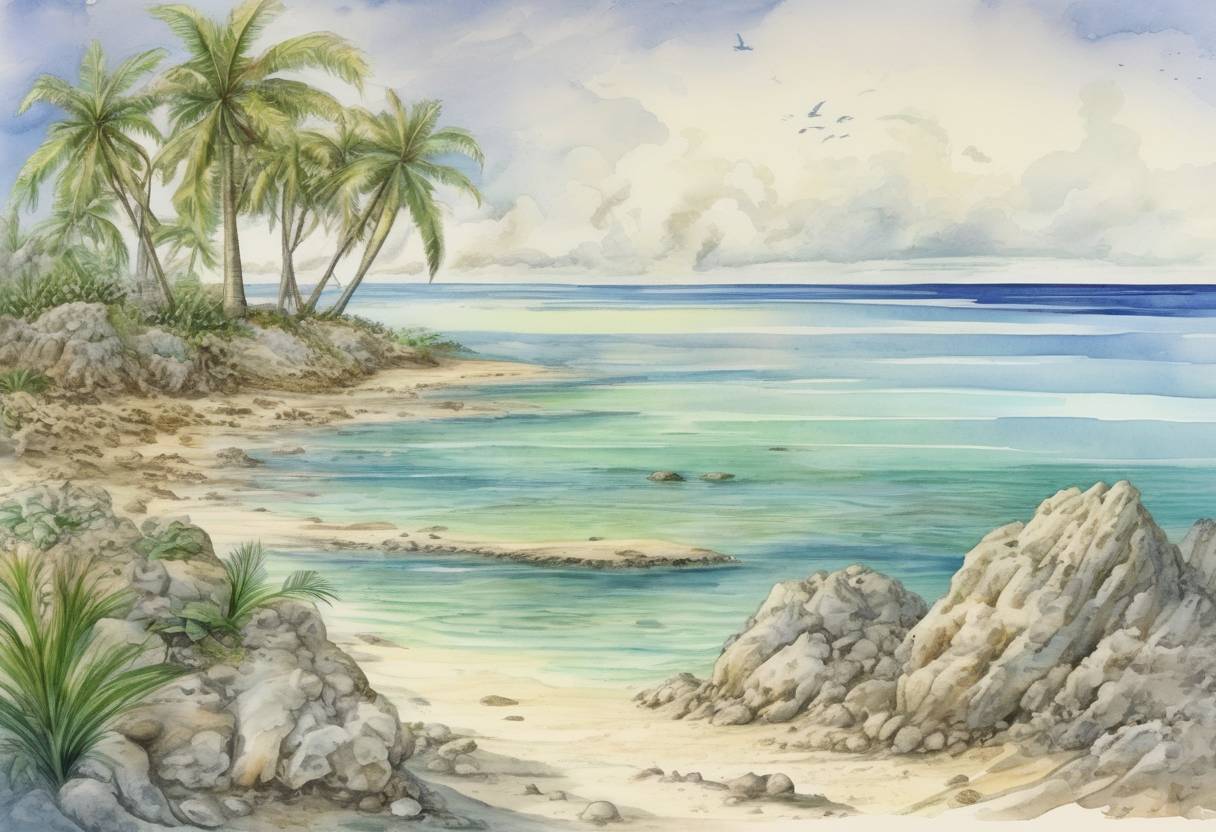
On December 24, 1777, Captain James Cook, the renowned British explorer and navigator, discovered Kiritimati, also known as Christmas Island. This discovery occurred during Cook’s third and final voyage of exploration in the Pacific Ocean. Kiritimati is notable for being the largest coral atoll in the world, covering an area of approximately 388 square kilometers (150 square miles).
James Cook’s Third Voyage: This expedition, which began in 1776, was primarily aimed at discovering the Northwest Passage, a potential sea route connecting the Atlantic and Pacific Oceans. Cook’s journey took him through the Pacific, where he charted numerous islands and coastlines.
The Naming of Kiritimati: Cook named the island “Christmas Island” because he sighted it on Christmas Eve. The name “Kiritimati” is a local adaptation of the English word “Christmas,” reflecting the island’s Polynesian heritage.
Geographical Importance: Kiritimati is the largest coral atoll in the world, which makes it a significant geographical feature. Its vast lagoon and surrounding coral reefs are home to diverse marine life, making it an important ecological site.
Strategic Location: Located in the central Pacific Ocean, Kiritimati has been of strategic importance throughout history, particularly during World War II and the Cold War, when it was used as a site for military operations and nuclear testing.
Colonial and Modern History: After its discovery, Kiritimati became part of the British Empire. It was later incorporated into the Gilbert and Ellice Islands Colony. Today, it is part of the Republic of Kiribati, which gained independence from the United Kingdom in 1979.
Environmental and Cultural Significance: The island is a vital habitat for seabirds and marine species. It also holds cultural significance for the people of Kiribati, who have inhabited the region for centuries.
In summary, the discovery of Kiritimati by Captain James Cook on December 24, 1777, marked an important moment in the history of Pacific exploration. The island’s unique geographical features and strategic location have contributed to its historical and ecological significance.
Source: en.wikipedia.org