The University of Oxford Receives its Charter from King John
1214 · Oxford, England
The University of Oxford receives its charter from King John, marking a significant development in the history of higher education in England.
June 6, 1683
The Ashmolean Museum in Oxford, England, opened as the world's first university museum.
Oxford, England | University of Oxford
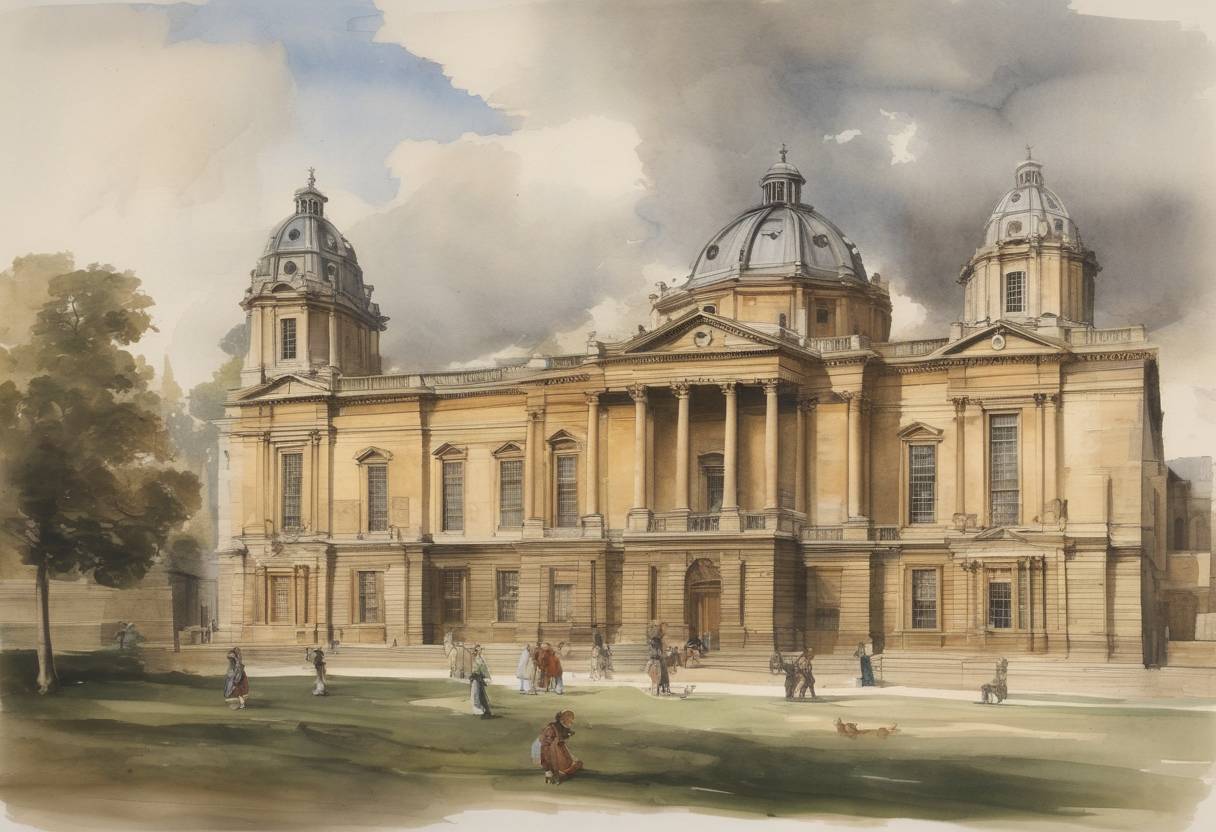
On June 6, 1683, the Ashmolean Museum in Oxford, England, opened its doors, marking a significant milestone in the history of museums. It holds the distinction of being the world’s first university museum, setting a precedent for the integration of academic institutions and public collections.
The Ashmolean Museum was founded by Elias Ashmole, an antiquary and collector, who donated his collection to the University of Oxford. Ashmole’s collection included a wide array of objects, such as coins, books, manuscripts, and natural specimens. The museum was built to house these collections and to serve as a resource for scholars and the public alike.
The building was designed by Thomas Wood, a master mason, and was constructed between 1678 and 1683. It was located on Broad Street in Oxford, adjacent to the university’s Bodleian Library. The museum’s architecture reflected the classical style of the period, with a focus on symmetry and proportion.
The Ashmolean Museum’s opening was a groundbreaking event in the history of museums. It was the first institution of its kind to be associated with a university, emphasizing the role of museums in education and research. This model would later be adopted by other universities around the world.
The museum’s establishment also marked a shift in the way collections were perceived. Previously, collections were often private and accessible only to a select few. The Ashmolean made its collections available to the public, promoting the idea of museums as centers for learning and cultural enrichment.
Initially, the Ashmolean’s collections were diverse, reflecting Ashmole’s interests in natural history, antiquities, and art. Over the centuries, the museum’s holdings have expanded significantly, encompassing a wide range of artifacts from different cultures and time periods.
Today, the Ashmolean Museum is renowned for its extensive collections, which include:
The Ashmolean Museum’s establishment laid the groundwork for the development of modern museums. Its integration with the University of Oxford highlighted the importance of academic collaboration in the curation and study of collections. The museum continues to be a leading institution in the fields of art and archaeology, attracting scholars and visitors from around the world.
In summary, the opening of the Ashmolean Museum on June 6, 1683, was a pivotal moment in the history of museums, representing a new era of public access to knowledge and cultural heritage. Its legacy endures as a testament to the enduring value of museums in society.
Source: en.wikipedia.org