The Treaty of Edinburgh-Northampton: May 1, 1328
1328 · Edinburgh, Scotland
The Treaty of Edinburgh-Northampton is signed, ending the First War of Scottish Independence and recognizing Scotland's independence from England.
April 6, 1320
The Declaration of Arbroath, a declaration of Scottish independence, was signed by Scottish nobles.
Arbroath, Scotland | Scottish Nobility
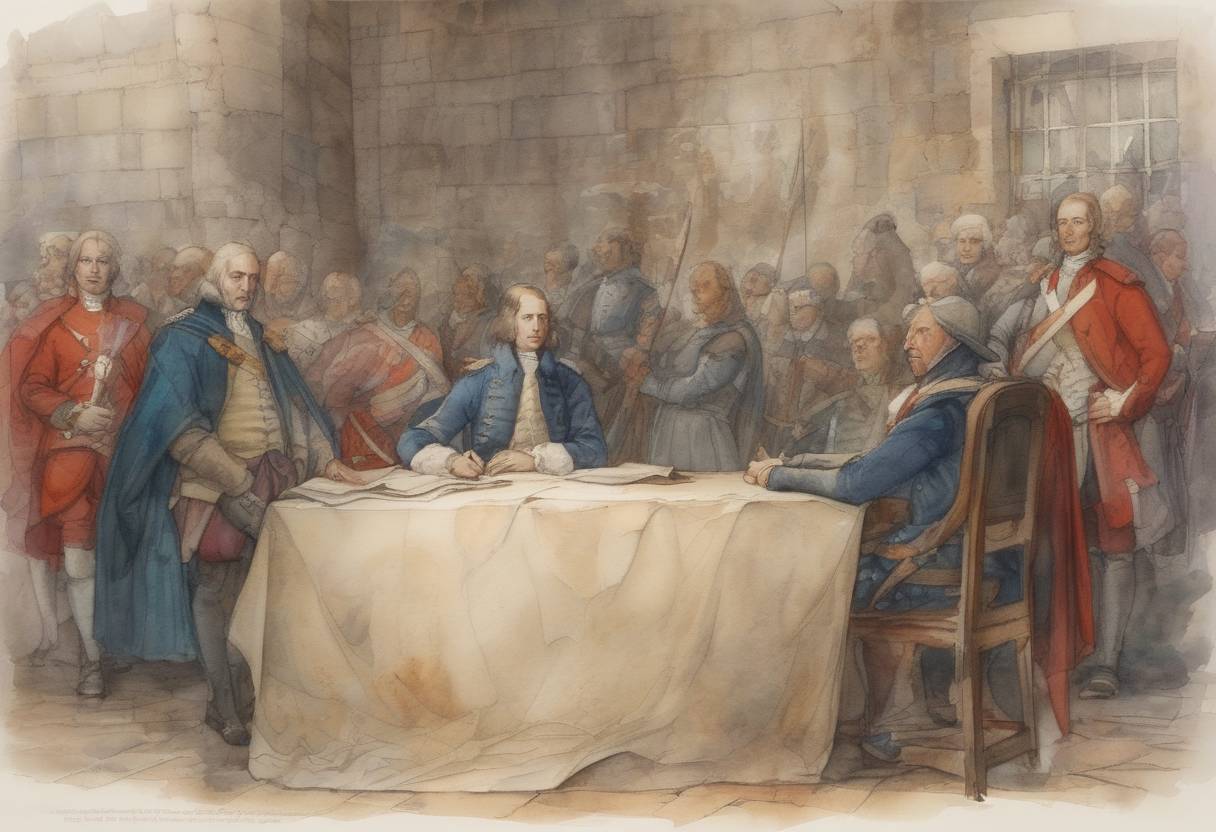
The Declaration of Arbroath, signed on April 6, 1320, is one of the most significant documents in Scottish history. It was a declaration of Scottish independence, sent to Pope John XXII, asserting Scotland’s status as an independent, sovereign nation. The document was drafted during a period of intense conflict between Scotland and England, known as the Wars of Scottish Independence, which began in 1296.
The late 13th and early 14th centuries were tumultuous times for Scotland. After the death of King Alexander III in 1286 and the subsequent demise of his granddaughter, Margaret, Maid of Norway, Scotland was left without a clear heir to the throne. This led to a succession crisis and the involvement of King Edward I of England, who sought to assert his authority over Scotland.
The Scots resisted English domination, leading to a series of conflicts. Key figures in the struggle for Scottish independence included William Wallace and Robert the Bruce. Robert the Bruce’s victory at the Battle of Bannockburn in 1314 was a significant turning point, strengthening the Scottish position.
The Declaration of Arbroath was drafted by the Chancellor of Scotland, Bernard of Kilwinning, and was sealed by 39 Scottish nobles and barons. It was sent to Pope John XXII to affirm Scotland’s independence and to request the Pope’s intervention in the ongoing conflict with England. The document is notable for its eloquent defense of Scottish sovereignty and its assertion of the right of the Scottish people to choose their own king.
The Declaration of Arbroath is considered a foundational document in the history of Scottish nationalism. Although it did not immediately lead to peace, it played a crucial role in the eventual recognition of Scottish independence. In 1328, the Treaty of Edinburgh-Northampton was signed, in which England recognized Scotland’s independence and Robert the Bruce as its king.
The declaration’s legacy endures, often cited as an early expression of the principles of self-determination and national sovereignty. It remains a symbol of Scottish identity and is celebrated annually on April 6th as Tartan Day in the United States and Canada, honoring Scottish heritage and the contributions of Scottish-Americans.
The Declaration of Arbroath stands as a testament to the enduring spirit of the Scottish people and their quest for independence. Its powerful language and historical significance continue to resonate, making it a pivotal moment in the narrative of Scotland’s past.
Source: en.wikipedia.org