Park Geun-hye Elected as South Korea's First Female President
2012 · Seoul, South Korea
Park Geun-hye is elected as the first female president of South Korea.
May 26, 2010
South Korean President Lee Myung-bak announces measures against North Korea following the sinking of the South Korean warship Cheonan, which killed 46 sailors.
Seoul, South Korea | South Korean Government
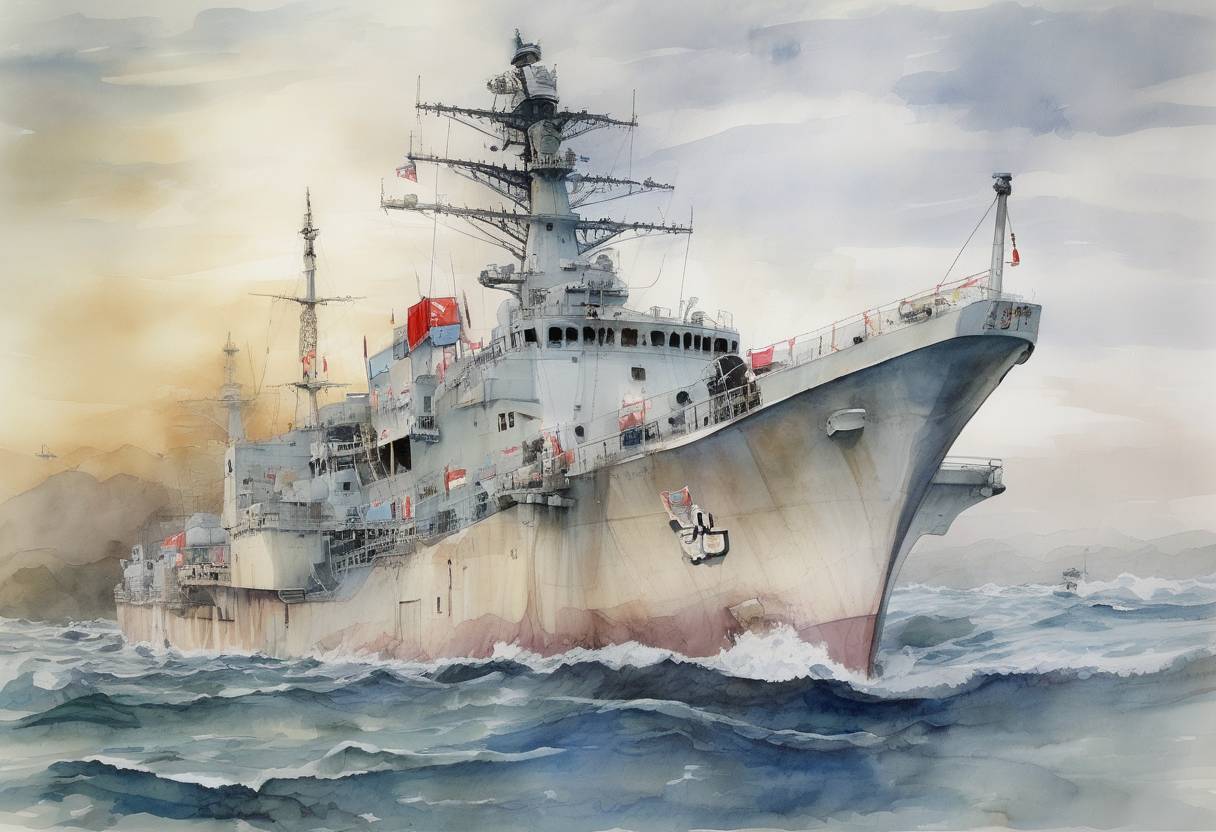
On May 26, 2010, South Korean President Lee Myung-bak announced a series of measures in response to the sinking of the South Korean warship Cheonan. This incident, which occurred on March 26, 2010, resulted in the tragic loss of 46 sailors. The sinking was attributed to a North Korean torpedo attack, as concluded by an international investigation led by South Korea.
The Cheonan Incident: On March 26, 2010, the ROKS Cheonan, a South Korean Navy corvette, sank near the disputed maritime border with North Korea in the Yellow Sea. An international investigation team, which included experts from South Korea, the United States, the United Kingdom, Australia, and Sweden, determined that a North Korean torpedo was responsible for the sinking.
Tensions on the Korean Peninsula: The Korean Peninsula has been a region of high tension since the Korean War (1950-1953), which ended with an armistice rather than a peace treaty. The sinking of the Cheonan exacerbated these tensions, leading to increased military and diplomatic strain between the two Koreas.
In his address, President Lee Myung-bak outlined several measures aimed at holding North Korea accountable and ensuring the security of South Korea:
Suspension of Inter-Korean Trade: South Korea suspended nearly all trade with North Korea, a significant economic blow given the existing economic cooperation, particularly in the Kaesong Industrial Region.
Prohibition of North Korean Ships: North Korean ships were banned from South Korean waters, a move aimed at increasing maritime security and reducing the risk of further incidents.
Resumption of Psychological Warfare: South Korea resumed psychological warfare tactics, including loudspeaker broadcasts along the Demilitarized Zone (DMZ), which had been halted since 2004 as part of previous peace efforts.
Military Readiness: The South Korean military was placed on heightened alert, with increased vigilance and readiness to respond to any further provocations from the North.
Diplomatic Efforts: President Lee called for international support to hold North Korea accountable, emphasizing the need for a united global response to the attack.
International Reactions: The incident drew widespread international condemnation of North Korea. The United Nations Security Council issued a Presidential Statement condemning the attack but stopped short of directly blaming North Korea due to diplomatic sensitivities.
Inter-Korean Relations: The measures led to a significant deterioration in inter-Korean relations, with North Korea denying involvement in the incident and threatening military retaliation against South Korea’s actions.
Long-term Impact: The Cheonan incident and the subsequent measures taken by South Korea highlighted the fragile security situation on the Korean Peninsula and underscored the challenges of achieving lasting peace in the region.
President Lee’s decisive actions were aimed at safeguarding South Korea’s national security while seeking to galvanize international support against North Korean aggression. The incident remains a poignant reminder of the ongoing volatility in inter-Korean relations.
Source: www.bbc.com