The Kiss Nightclub Fire in Santa Maria, Brazil - January 27, 2013
2013 · Santa Maria, Brazil
A fire at the Kiss nightclub in Santa Maria, Brazil, kills 242 people, becoming one of the deadliest nightclub fires in history.
October 30, 2015
A nightclub fire in Bucharest, Romania, killed 64 people and injured 147, leading to nationwide protests against corruption and poor safety standards.
Bucharest, Romania | Colectiv Club
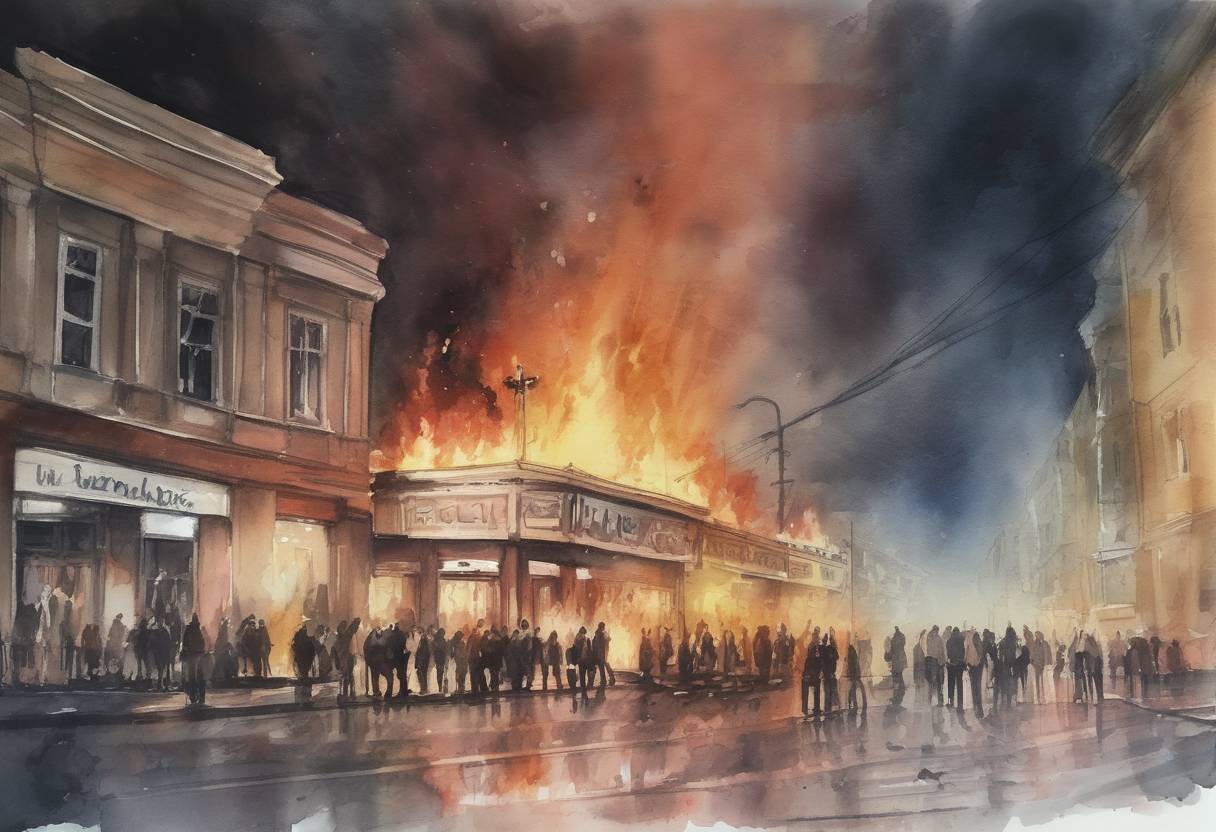
On October 30, 2015, a tragic fire broke out at the Colectiv nightclub in Bucharest, Romania, resulting in the deaths of 64 people and injuring 147 others. This catastrophic event not only marked a dark day in Romania’s history but also sparked widespread protests and significant political changes in the country.
The Colectiv nightclub was hosting a free concert by the metal band Goodbye to Gravity to celebrate the release of their new album. The venue was packed with approximately 400 people, mostly young adults, enjoying the performance.
The fire started around 10:32 PM local time when a pyrotechnic display, part of the band’s performance, ignited the club’s flammable acoustic foam. The fire spread rapidly, engulfing the club in flames and filling it with toxic smoke. The club’s inadequate safety measures, including a lack of sufficient emergency exits, contributed to the high number of casualties.
The tragedy exposed severe deficiencies in safety regulations and enforcement in Romania. Public outrage was fueled by revelations of corruption and negligence in the issuance of permits and safety inspections for the nightclub.
The public pressure led to significant political repercussions:
The Colectiv nightclub fire highlighted the pervasive issues of corruption and inadequate safety standards in Romania. It served as a catalyst for change, prompting a national conversation about governance, accountability, and the need for reform. The event remains a poignant reminder of the human cost of systemic failures and the power of public demand for justice and transparency.
The Colectiv fire continues to be commemorated annually, honoring the victims and serving as a call to action for ongoing vigilance and reform in public safety and governance.
Source: www.bbc.com