2003 · Tikrit, Iraq
The United States announced the capture of former Iraqi President Saddam Hussein, who had been hiding in a hole near his hometown of Tikrit.
July 22, 2003
Uday and Qusay Hussein, sons of Saddam Hussein, were killed by U.S. forces in Mosul, Iraq.
Mosul, Iraq | United States Armed Forces
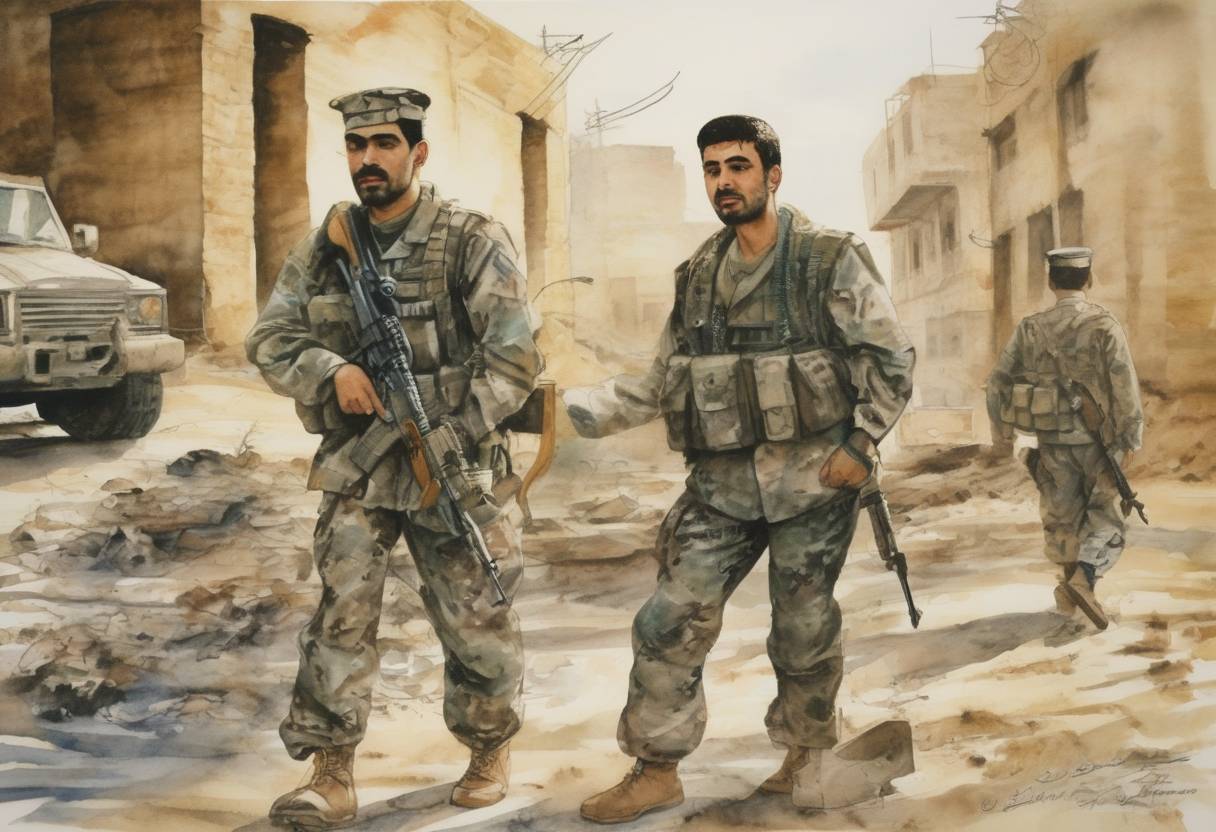
On July 22, 2003, Uday and Qusay Hussein, the sons of the former Iraqi President Saddam Hussein, were killed by U.S. forces in Mosul, Iraq. This event marked a significant moment in the U.S.-led coalition’s efforts during the Iraq War, aimed at dismantling Saddam Hussein’s regime and stabilizing the region.
Uday and Qusay were prominent figures in Saddam Hussein’s government. Uday, the elder son, was known for his brutal and erratic behavior, serving as the head of the Iraqi Olympic Committee and the Fedayeen Saddam, a paramilitary organization. Qusay, considered more reserved and strategic, was seen as Saddam’s likely successor, overseeing the elite Republican Guard and internal security forces.
Following the U.S. invasion of Iraq in March 2003, Saddam’s regime quickly collapsed, and the coalition forces began a manhunt for key figures of the regime. Uday and Qusay were high on the list, given their roles in maintaining Saddam’s power and their involvement in human rights abuses.
The operation to capture or kill Uday and Qusay took place in the northern Iraqi city of Mosul. Acting on a tip from an informant, U.S. forces, including members of the 101st Airborne Division and special operations units, surrounded a villa where the brothers were believed to be hiding.
The ensuing confrontation lasted several hours. U.S. forces used a combination of small arms, rockets, and helicopter gunships to assault the building after the brothers and their bodyguards resisted capture. The intense firefight resulted in the deaths of Uday, Qusay, and two others, including Qusay’s 14-year-old son, Mustapha.
The deaths of Uday and Qusay were significant for several reasons:
Psychological Impact: Their elimination dealt a psychological blow to remnants of the Ba’athist regime and supporters of Saddam Hussein, demonstrating the coalition’s resolve and capability.
Intelligence Gains: The operation provided valuable intelligence, as documents and other materials were recovered from the site, aiding further efforts to dismantle the regime’s network.
Public Perception: For the Iraqi population and the international community, the deaths of the Hussein brothers were seen as a step towards justice for the atrocities committed under Saddam’s rule.
Strategic Victory: The operation was a tactical success for U.S. forces, showcasing their ability to conduct precise and effective military actions in urban environments.
In the broader context of the Iraq War, while the deaths of Uday and Qusay did not immediately stabilize Iraq, they were a crucial part of the coalition’s efforts to dismantle the former regime’s power structure and pave the way for a new political order in Iraq.
Source: www.britannica.com