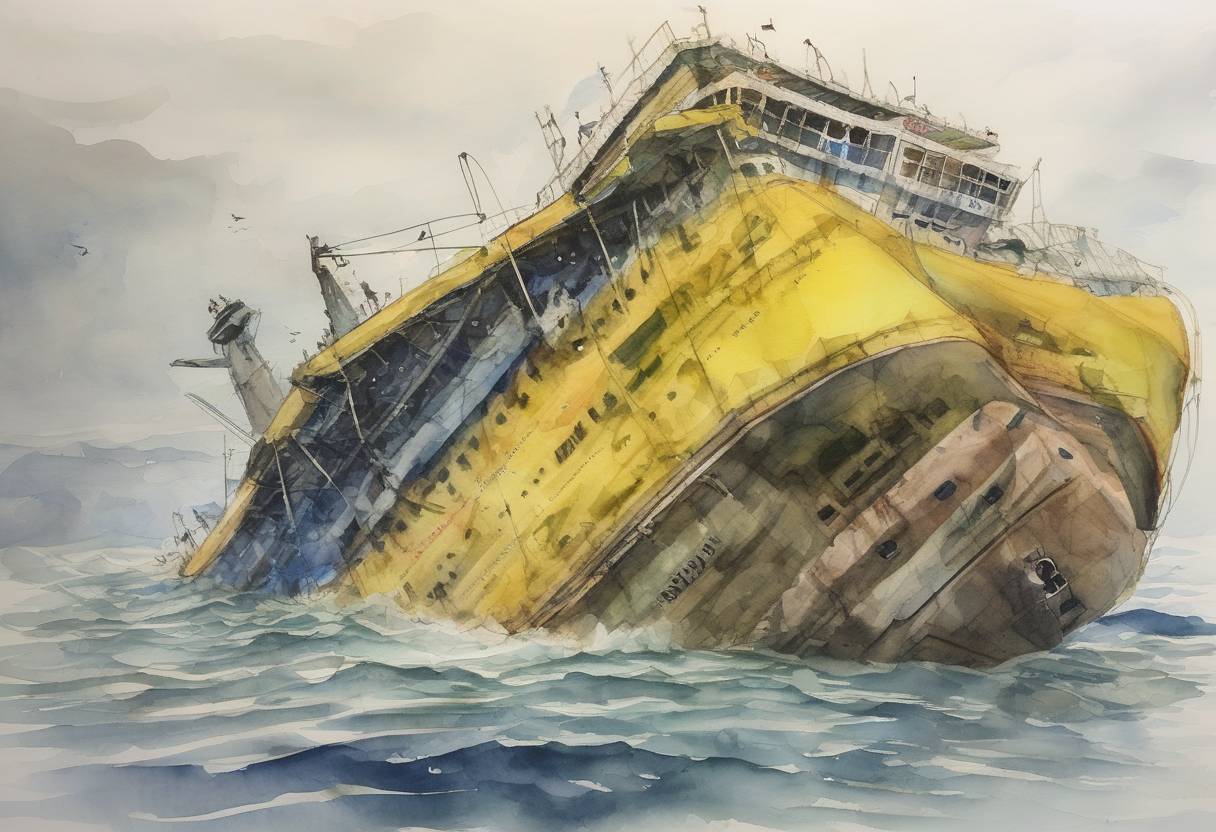
The Sinking of MV Sewol - April 16, 2014
On April 16, 2014, the South Korean ferry MV Sewol capsized and sank off the coast of Jindo, resulting in the tragic deaths of 304 passengers. This disaster is one of the deadliest maritime incidents in South Korean history, with the majority of the victims being high school students from Danwon High School in Ansan, who were on a school trip to Jeju Island.
Background
The Vessel: MV Sewol was a ferry operated by Chonghaejin Marine Company. It was originally built in Japan in 1994 and later purchased by the South Korean company in 2012. The ferry was modified to increase its passenger capacity, which later investigations revealed compromised its stability.
The Voyage: On the morning of April 15, 2014, MV Sewol departed from Incheon, heading towards Jeju Island. Onboard were 476 people, including 325 students, 15 teachers, and 89 crew members.
The Incident
Capsizing: On the morning of April 16, the ferry began to list severely to one side. The cause was attributed to a combination of factors, including improper cargo loading, insufficient ballast water, and the ship’s structural modifications. The ferry eventually capsized and sank.
Rescue Efforts: The initial response was marred by delays and miscommunication. The captain and some crew members abandoned the ship, leaving many passengers trapped inside. The South Korean Coast Guard and civilian fishing boats conducted rescue operations, but the majority of the students were unable to escape.
Aftermath
Casualties: Of the 476 passengers, 304 lost their lives, including 250 students. The tragedy deeply affected South Korean society, leading to widespread mourning and outrage.
Investigations and Trials: Investigations revealed negligence and regulatory failures. The captain, Lee Joon-seok, and several crew members were arrested and charged with various offenses, including negligence and abandoning passengers. In 2015, Lee was sentenced to life imprisonment for murder.
Government Response: The South Korean government faced criticism for its handling of the disaster. President Park Geun-hye’s administration was scrutinized for the slow and inadequate rescue response. The incident led to significant political repercussions and reforms in maritime safety regulations.
Legacy: The sinking of MV Sewol remains a poignant reminder of the importance of safety regulations and the need for accountability in preventing such tragedies. Memorials and annual commemorations honor the victims, and the incident continues to influence South Korean policy and public consciousness.
The MV Sewol disaster highlighted critical issues in maritime safety and emergency response, prompting changes aimed at preventing future tragedies. The event remains a significant moment in South Korean history, symbolizing both loss and the ongoing pursuit of justice and reform.