January 26, 2011

The Egyptian Revolution of 2011 begins with widespread protests demanding the end of President Hosni Mubarak's regime.


Cairo, Egypt | Protesters
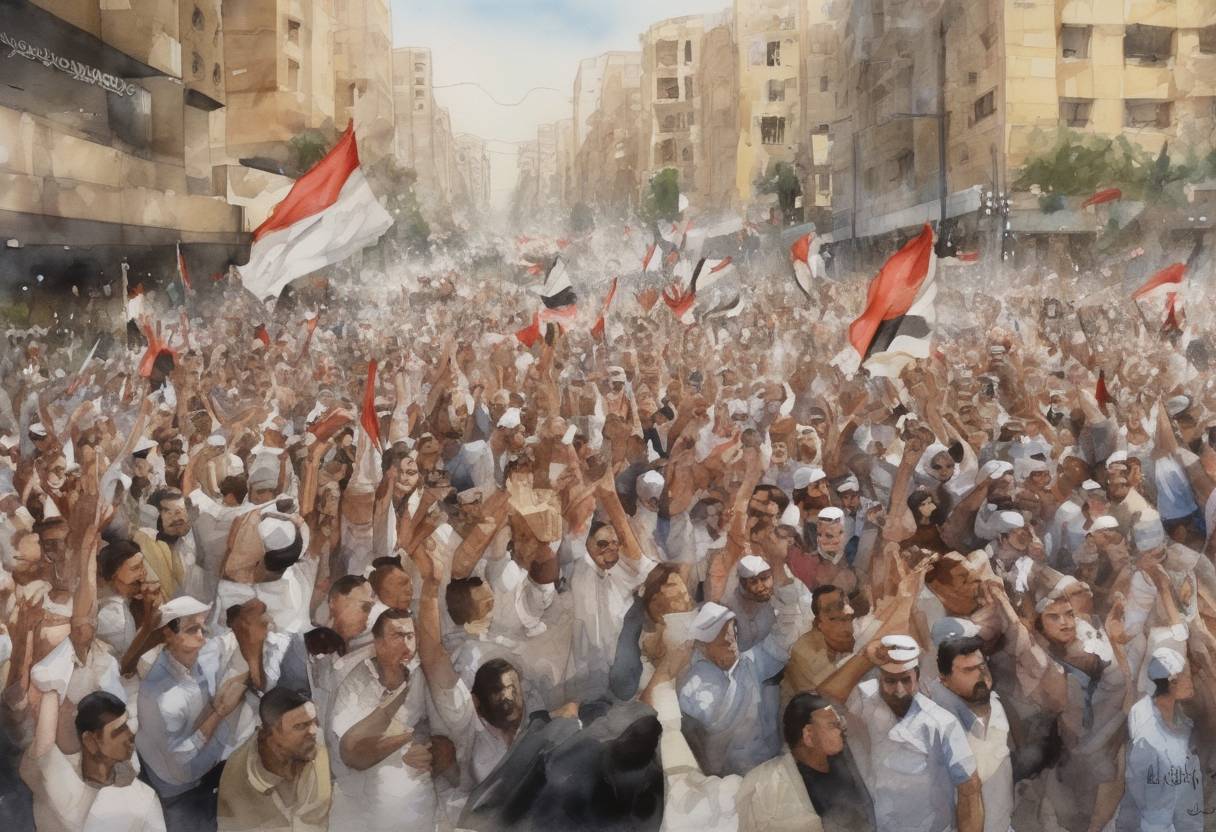
Watercolor painting based depiction of The Egyptian Revolution of 2011 begins with widespread protests demanding the end of President Hosni Mubarak's regime. (2011)

The Egyptian Revolution of 2011: January 26

The Egyptian Revolution of 2011, also known as the January 25 Revolution, was a pivotal moment in Egypt’s modern history, marking the beginning of widespread protests against the regime of President Hosni Mubarak. The events of January 26, 2011, were part of a larger wave of demonstrations that swept across the country, demanding political reform, economic justice, and an end to Mubarak’s nearly 30-year rule.

Context Leading Up to January 26

The revolution was inspired by the successful uprising in Tunisia, which saw the ousting of President Zine El Abidine Ben Ali. In Egypt, long-standing grievances fueled public discontent, including:

  • Political Repression: Mubarak’s regime was marked by authoritarian rule, with limited political freedoms and widespread corruption.
  • Economic Hardships: High unemployment rates, rising food prices, and economic inequality exacerbated public frustration.
  • Police Brutality: The death of Khaled Said, a young man allegedly beaten to death by police in Alexandria in 2010, became a rallying point for anti-regime sentiment.

Events of January 26, 2011

Following the initial protests on January 25, which coincided with National Police Day, the demonstrations continued to gain momentum on January 26. Key events included:

  • Escalation of Protests: Thousands of Egyptians took to the streets in cities across the country, including Cairo, Alexandria, and Suez. Protesters called for Mubarak’s resignation, chanting slogans like “Bread, freedom, and social justice.”
  • Government Response: The Egyptian government attempted to quell the protests through a heavy police presence, deploying tear gas, water cannons, and rubber bullets. Despite these efforts, the protests continued to grow.
  • Social Media and Communication: Social media platforms like Facebook and Twitter played a crucial role in organizing and spreading information about the protests. However, the government began to restrict internet access and mobile communications in an attempt to disrupt coordination among demonstrators.

Broader Historical Significance

The events of January 26 were part of a larger movement that ultimately led to significant political change in Egypt:

  • Mubarak’s Resignation: The sustained protests eventually led to Mubarak’s resignation on February 11, 2011, after 18 days of mass demonstrations.
  • Impact on the Arab World: The Egyptian Revolution was a key moment in the Arab Spring, inspiring similar movements across the Middle East and North Africa.
  • Ongoing Challenges: While the revolution succeeded in removing Mubarak, Egypt faced ongoing political instability and challenges in establishing a stable democratic system.

The Egyptian Revolution of 2011 remains a significant example of popular mobilization and the power of collective action in the face of authoritarianism.