The March for Our Lives: March 25, 2018
2018 · Washington, D.C., United States
The March for Our Lives, a student-led demonstration in support of tighter gun control, took place in Washington, D.C., and other cities across the United States.
January 21, 2017
The Women's March took place in Washington, D.C., and around the world, with millions of people protesting for women's rights and other civil rights issues.
Washington, D.C., United States | Women's March
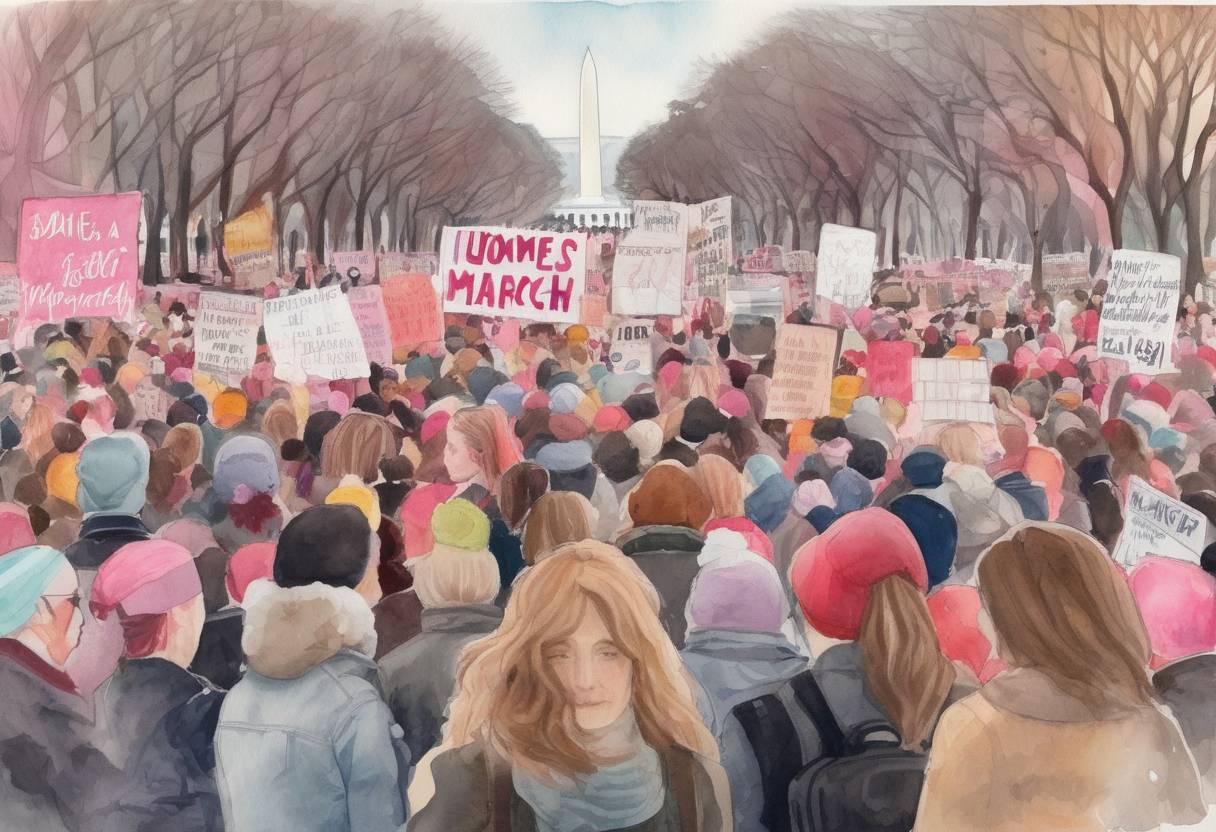
On January 21, 2017, the Women’s March took place in Washington, D.C., and in cities around the world, marking one of the largest single-day protests in U.S. history. This event was a significant moment in the global movement for women’s rights and other civil rights issues.
The Women’s March was organized in response to the inauguration of Donald Trump as the 45th President of the United States, which occurred the day before, on January 20, 2017. Many participants were motivated by concerns over statements and policies proposed by Trump during his campaign that were perceived as threatening to women’s rights, as well as to the rights of immigrants, LGBTQ+ individuals, and other marginalized groups.
Washington, D.C. March: The main event took place in Washington, D.C., where hundreds of thousands of people gathered. The march featured speeches from activists, celebrities, and political figures, emphasizing themes of equality, justice, and solidarity.
Global Participation: Simultaneously, sister marches occurred in cities across the United States and around the world. It is estimated that over 600 marches took place globally, with participation numbers reaching into the millions.
Diverse Issues: While the march was initially focused on women’s rights, it quickly expanded to include a broader range of issues, including racial equality, environmental justice, and healthcare reform. The event became a platform for intersectional activism, highlighting the interconnectedness of various social justice causes.
Continued Activism: The Women’s March galvanized a wave of activism and political engagement, inspiring many participants to become more involved in advocacy and community organizing. It also led to the formation of new activist groups and initiatives focused on sustaining the momentum of the march.
Annual Events: The success of the 2017 Women’s March led to subsequent annual marches, each focusing on different themes and issues relevant to the political and social climate of the time.
Cultural Impact: The march had a significant cultural impact, raising awareness about gender equality and social justice issues. It also contributed to the broader #MeToo movement, which gained prominence later in 2017.
The Women’s March of January 21, 2017, stands as a powerful example of collective action and the enduring fight for equality and justice across various spheres of society. Its legacy continues to influence activism and political discourse worldwide.
Source: www.womensmarch.com