Severance of Diplomatic Relations Between the United States and Cuba on January 3, 1961
1961 · Washington, D.C., United States
The United States severed diplomatic relations with Cuba.
February 23, 1903
Cuba leases Guantánamo Bay to the United States "in perpetuity."
Guantánamo Bay, Cuba | United States Government
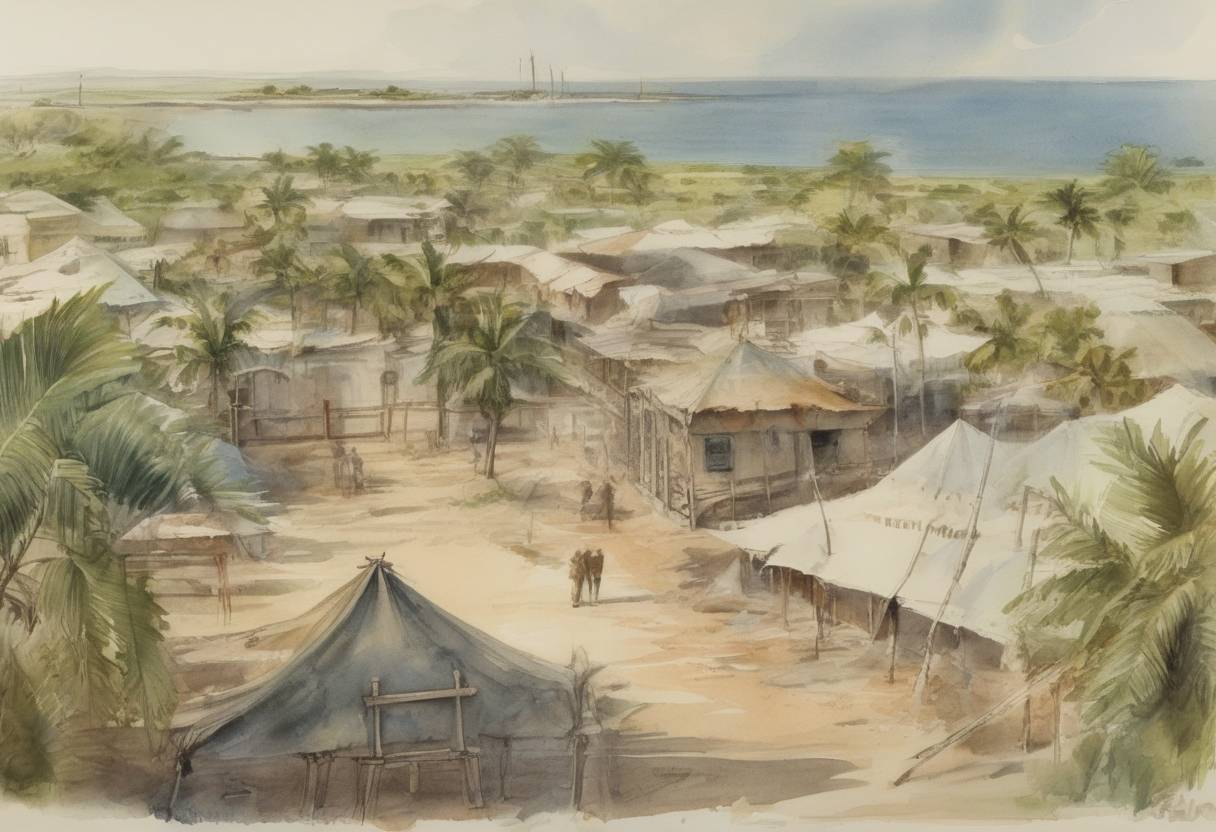
On February 23, 1903, the United States and Cuba formalized an agreement that would have long-lasting implications for both nations: the lease of Guantánamo Bay to the United States “in perpetuity.” This event marked a significant moment in U.S.-Cuban relations and had roots in the geopolitical dynamics of the early 20th century.
The lease of Guantánamo Bay was a direct outcome of the Spanish-American War of 1898, which resulted in the United States emerging as a colonial power with territories in the Caribbean and the Pacific. Following the war, the Treaty of Paris was signed, and Spain relinquished control of Cuba. However, the U.S. maintained a significant influence over the island.
The groundwork for the lease was laid by the Platt Amendment, passed by the U.S. Congress in 1901. This amendment was incorporated into the Cuban Constitution and effectively made Cuba a U.S. protectorate. It stipulated several conditions for the withdrawal of U.S. troops from Cuba, including the right of the United States to intervene in Cuban affairs and the requirement for Cuba to lease lands for naval bases to the U.S.
The lease agreement, known as the Cuban-American Treaty, was signed on February 23, 1903. It granted the United States control over the 45-square-mile area of Guantánamo Bay for use as a naval base and coaling station. The terms of the lease were highly favorable to the United States, with an annual rent initially set at \(2,000 in gold coins, later adjusted to \)4,085.
Guantánamo Bay has remained a point of contention in U.S.-Cuban relations. The Cuban government, particularly after the 1959 Cuban Revolution led by Fidel Castro, has repeatedly called for the return of the territory. The U.S., however, continues to maintain its presence, citing the terms of the original lease agreement.
In conclusion, the lease of Guantánamo Bay to the United States on February 23, 1903, was a pivotal event that has had enduring impacts on international relations and military strategy. It remains a complex symbol of U.S.-Cuban relations and continues to influence geopolitical discussions to this day.
Source: en.wikipedia.org