Prince Philip, Duke of Edinburgh, Passes Away at 99
2021 · Windsor, United Kingdom
Prince Philip, Duke of Edinburgh, passed away at the age of 99.
March 30, 2002
The Queen Mother, Elizabeth Bowes-Lyon, passed away at the age of 101. She was the mother of Queen Elizabeth II and a beloved figure in the United Kingdom.
Windsor, United Kingdom | British Royal Family
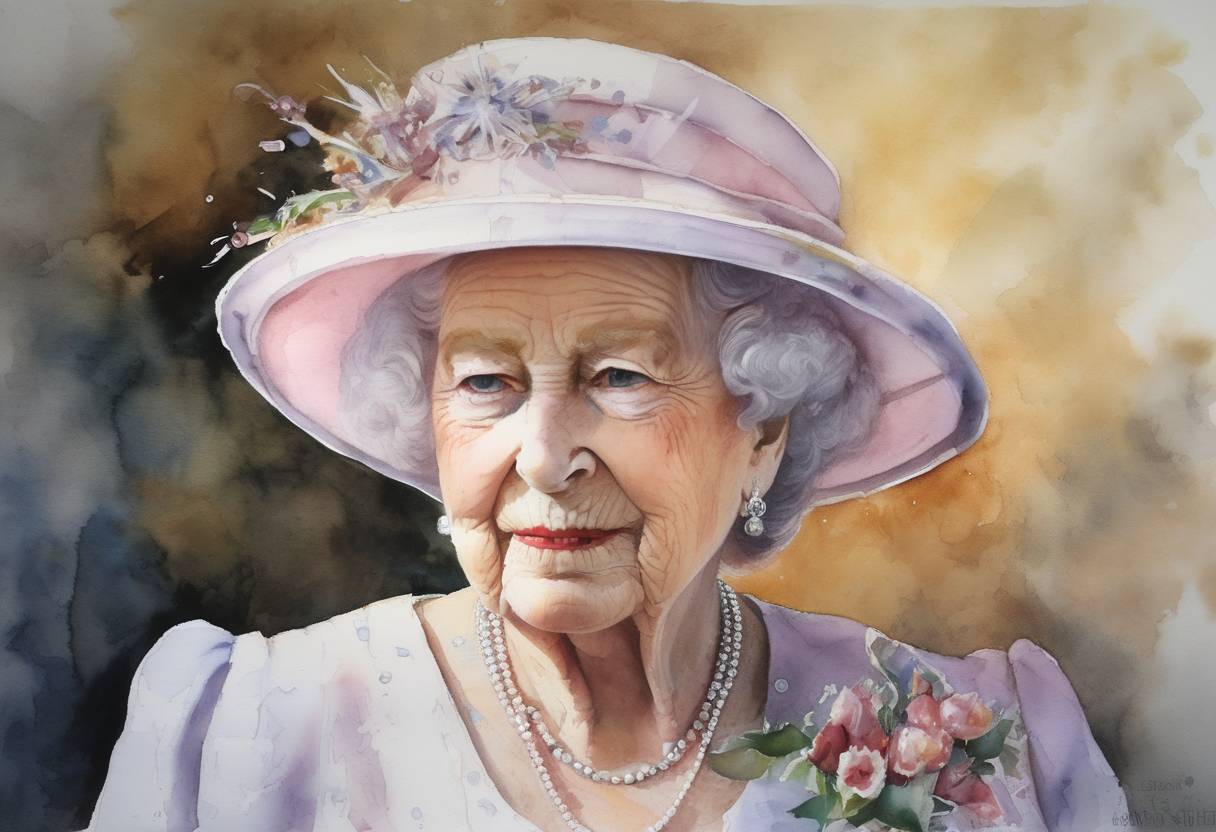
On March 30, 2002, Queen Elizabeth The Queen Mother passed away at the age of 101. Her death marked the end of an era for the British royal family and the United Kingdom, as she was a beloved figure who had witnessed and participated in significant historical events throughout the 20th century.
Elizabeth Angela Marguerite Bowes-Lyon was born on August 4, 1900, into the British aristocracy as the ninth of ten children of Claude Bowes-Lyon, 14th Earl of Strathmore and Kinghorne, and his wife, Cecilia Cavendish-Bentinck. She married Prince Albert, Duke of York, in 1923, who later became King George VI following the abdication crisis of 1936 when his brother, King Edward VIII, abdicated the throne to marry Wallis Simpson.
As Queen Consort from 1936 to 1952, Elizabeth played a crucial role in supporting her husband during his reign, particularly during World War II. Her visits to bombed areas of London and her decision to remain in the city during the Blitz endeared her to the British public. Her steadfastness and charm earned her the nickname “The Smiling Duchess.”
After the death of King George VI in 1952, she became known as Queen Elizabeth The Queen Mother to avoid confusion with her daughter, Queen Elizabeth II. She continued to be an active member of the royal family, supporting numerous charities and public engagements well into her later years.
Her longevity and dedication to public service made her a cherished figure in British society. Her passing was met with widespread mourning, and her funeral was attended by dignitaries from around the world, reflecting her global impact and the affection in which she was held.
The Queen Mother’s life spanned over a century of profound change, including two World Wars, the decline of the British Empire, and the modernization of the monarchy. Her influence on the royal family and her role in maintaining its stability during turbulent times are significant aspects of her legacy.
Her death marked the end of a significant chapter in the history of the British monarchy, and her contributions to public life continue to be remembered and celebrated.
Source: www.britannica.com