The Marikana Miners' Strike: Beginnings on August 10, 2012
2012 · Marikana, South Africa
The Marikana miners' strike began in South Africa, leading to a series of protests and a tragic massacre later in the month.
August 16, 2012
The Marikana massacre occurred in South Africa, where police opened fire on striking miners, resulting in 34 deaths and many injuries.
Marikana, South Africa | South African Police Service
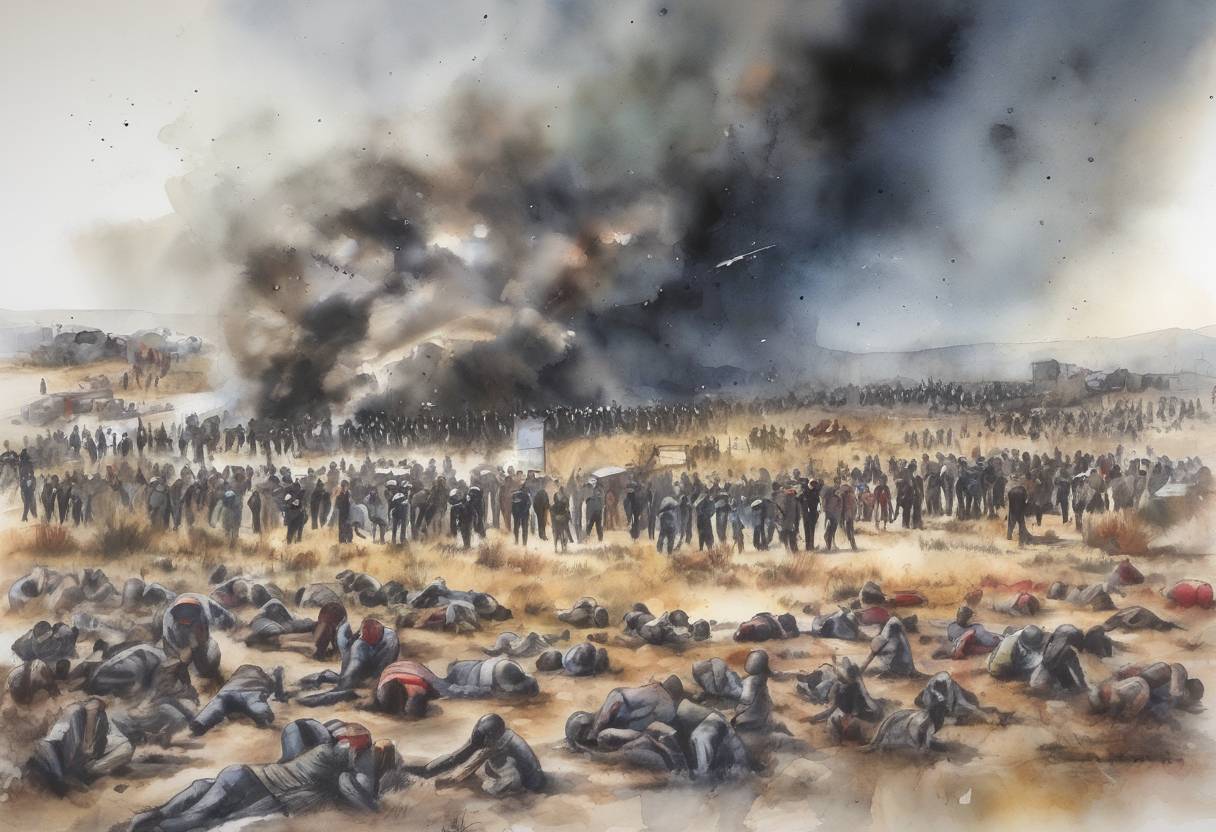
The Marikana Massacre is a tragic event in South Africa’s post-apartheid history, occurring on August 16, 2012, at the Lonmin platinum mine in Marikana, near Rustenburg. The incident was the culmination of a series of escalating tensions between striking mine workers and law enforcement.
Labor Disputes: The miners were striking for higher wages, demanding an increase from their monthly salary of approximately R4,000 to R12,500. The strike was part of a broader pattern of labor unrest in the South African mining sector, driven by economic disparities and poor working conditions.
Union Rivalries: The strike was marked by tensions between the National Union of Mineworkers (NUM) and the newer Association of Mineworkers and Construction Union (AMCU), which was gaining influence among the miners.
Escalating Violence: In the days leading up to the massacre, violence had already erupted, resulting in the deaths of 10 people, including miners, security personnel, and police officers.
On August 16, approximately 3,000 striking miners gathered on a hill near the mine. The police, equipped with firearms and supported by armored vehicles, were deployed to disperse the crowd. The situation escalated rapidly:
Police Action: The police opened fire on the miners, resulting in the deaths of 34 individuals and injuring at least 78 others. This was the most lethal use of force by South African security forces against civilians since the end of apartheid.
Immediate Aftermath: The incident drew widespread condemnation both domestically and internationally. It highlighted the deep-seated issues of inequality and labor rights in South Africa.
Public Outcry and Investigations: The massacre led to national and international outrage, prompting calls for accountability. The South African government established the Farlam Commission of Inquiry to investigate the incident.
Impact on Labor Relations: The massacre intensified debates over labor practices and union dynamics in South Africa. It also led to increased support for AMCU, which became a significant force in the mining sector.
Political Repercussions: The event put pressure on the ruling African National Congress (ANC) and its alliance with the NUM, raising questions about the government’s handling of labor disputes and its commitment to addressing economic inequalities.
The Marikana Massacre is a stark reminder of the ongoing challenges faced by South Africa in addressing the legacies of apartheid, particularly in terms of economic inequality and labor rights. It underscored the need for reform in the mining industry and highlighted the complexities of post-apartheid governance in a nation still grappling with its past.
The event remains a pivotal moment in South Africa’s history, symbolizing the struggle for social justice and the need for meaningful change in labor relations and economic policies.
Source: www.bbc.com