The Emergency Quota Act of 1921
1921 · Washington, D.C., United States
The United States Congress passed the Emergency Quota Act, establishing national immigration quotas.
February 5, 1917
The United States Congress passes the Immigration Act of 1917, which restricts immigration by imposing literacy tests and barring immigrants from Asia.
Washington, D.C., United States | United States Congress
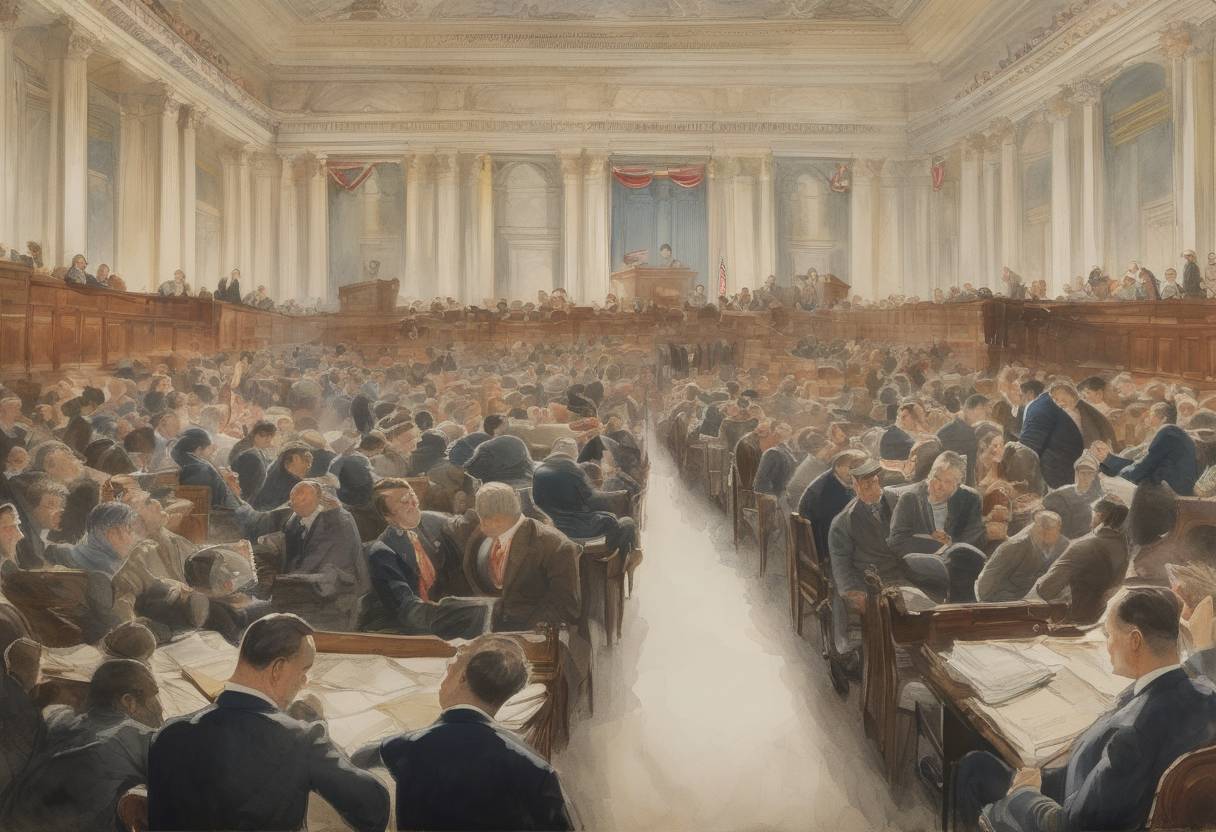
On February 5, 1917, the United States Congress passed the Immigration Act of 1917, a significant piece of legislation that marked a pivotal moment in U.S. immigration policy. This act is often referred to as the Asiatic Barred Zone Act due to its provisions that specifically targeted immigrants from Asia.
The early 20th century was a period of significant immigration to the United States, with millions arriving from Europe and other parts of the world. However, this influx led to growing concerns among some Americans about the cultural and economic impacts of immigration. These concerns were fueled by nativist sentiments and fears of job competition, which were particularly pronounced during periods of economic instability.
Literacy Tests: One of the most notable features of the Immigration Act of 1917 was the introduction of literacy tests for immigrants. Prospective immigrants over the age of 16 were required to demonstrate the ability to read in their native language. This provision aimed to reduce the number of immigrants deemed “undesirable” by ensuring that only those with basic educational skills could enter the country.
Asiatic Barred Zone: The act established an “Asiatic Barred Zone,” which effectively prohibited immigration from a vast region that included much of Asia and the Pacific Islands. This was a significant expansion of previous restrictions, such as the Chinese Exclusion Act of 1882, and reflected widespread anti-Asian sentiment in the United States at the time.
Exclusions and Exceptions: In addition to the literacy test and barred zone, the act also excluded various categories of people, including “idiots,” “imbeciles,” “alcoholics,” “anarchists,” and those with contagious diseases. However, certain groups, such as religious refugees, were exempt from these restrictions.
The Immigration Act of 1917 had a profound impact on U.S. immigration patterns. It significantly reduced the number of immigrants from Asia and altered the demographic composition of new arrivals. The literacy test, while not as effective as intended due to various loopholes, set a precedent for future immigration policies.
The act also laid the groundwork for more restrictive immigration laws in the following decades, culminating in the National Origins Act of 1924, which established quotas based on national origin and further limited immigration from non-European countries.
The passage of the Immigration Act of 1917 reflects the broader themes of nativism and xenophobia that have periodically influenced U.S. immigration policy. It highlights the tension between America’s identity as a nation of immigrants and the desire to control and restrict immigration based on cultural and racial criteria.
Overall, the act is a critical chapter in the history of U.S. immigration, illustrating how legislative measures can shape the nation’s demographic and cultural landscape.
Source: en.wikipedia.org