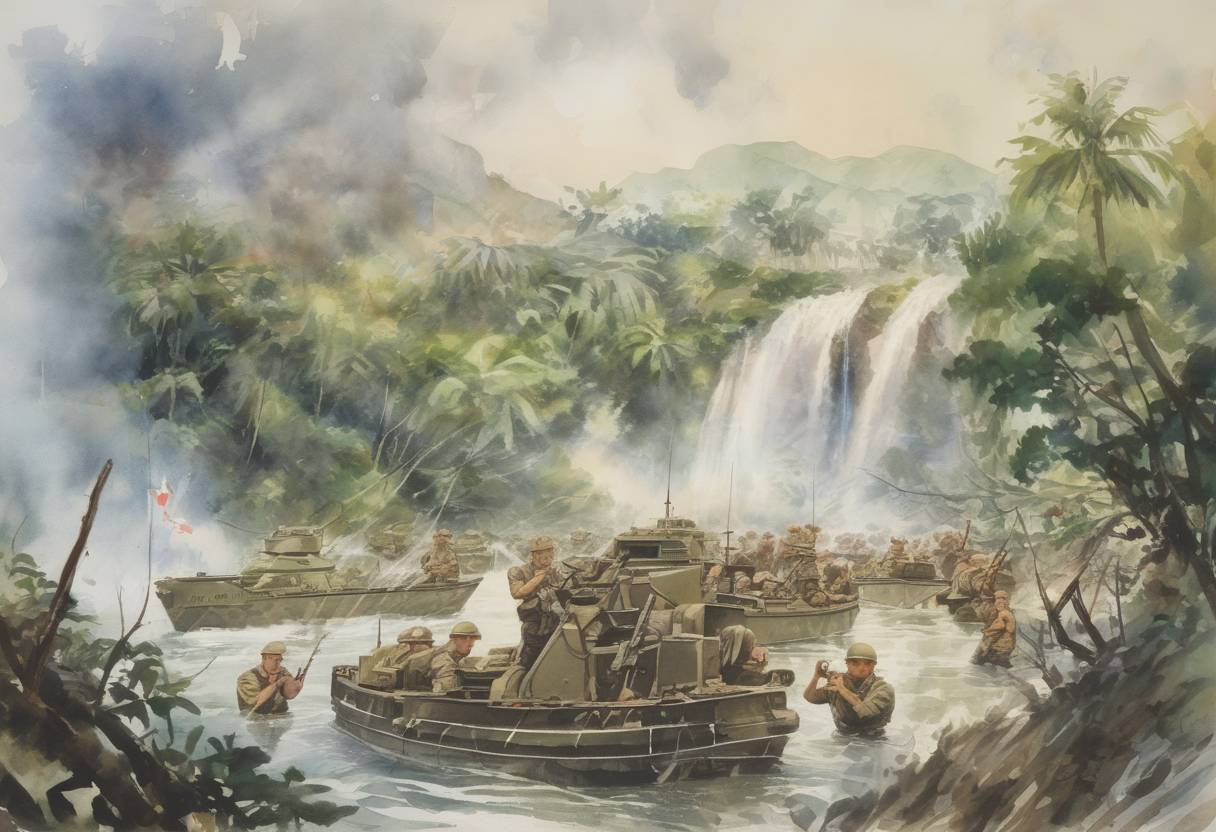
Fall of Singapore: February 15, 1942
The fall of Singapore on February 15, 1942, marked a significant turning point in World War II and is often regarded as one of the greatest defeats in British military history. This event had profound implications for the British Empire and the broader course of the war in the Pacific.
Context
- Strategic Importance: Singapore was considered the “Gibraltar of the East” due to its strategic location at the southern tip of the Malay Peninsula. It was a key British military base and a symbol of British imperial power in Southeast Asia.
- Pre-War Assumptions: The British believed that Singapore was impregnable, largely due to its formidable naval defenses. However, they underestimated the possibility of a land-based attack through the dense jungles of Malaya.
Key Events Leading Up to the Fall
- Japanese Expansion: By late 1941, Japan had embarked on a campaign to expand its empire across Southeast Asia. The attack on Pearl Harbor on December 7, 1941, marked the beginning of Japan’s aggressive military operations in the Pacific.
- Malayan Campaign: The Japanese launched their invasion of Malaya on December 8, 1941, just hours after the attack on Pearl Harbor. Utilizing swift and coordinated attacks, Japanese forces advanced southward, overcoming British and Commonwealth defenses.
The Siege of Singapore
- Japanese Strategy: Led by General Tomoyuki Yamashita, Japanese forces employed a combination of speed, surprise, and superior tactics. They advanced through the Malayan Peninsula, capturing key positions and cutting off British supply lines.
- British Defenses: The British, under the command of Lieutenant-General Arthur Percival, were ill-prepared for the Japanese assault. The defenses were oriented towards a naval attack, leaving the northern land approaches vulnerable.
- Final Assault: By February 8, 1942, Japanese forces had crossed the Johor Strait and launched an assault on Singapore. Despite fierce resistance, Japanese troops quickly gained ground.
The Surrender
- Capitulation: On February 15, 1942, after a week of intense fighting and with dwindling supplies, Lieutenant-General Percival made the difficult decision to surrender. Approximately 80,000 British, Indian, and Australian troops became prisoners of war.
- Aftermath: The fall of Singapore was a severe blow to British prestige and marked the beginning of Japanese dominance in Southeast Asia. It exposed the vulnerabilities of colonial powers and shifted the balance of power in the region.
Broader Historical Significance
- Impact on British Empire: The loss of Singapore undermined British authority in Asia and contributed to the eventual decolonization movements post-war.
- Japanese Expansion: The victory allowed Japan to consolidate its control over Southeast Asia, gaining access to vital resources and strategic positions.
- Lessons Learned: The fall highlighted the importance of flexible military strategy and the dangers of underestimating an opponent’s capabilities.
The fall of Singapore remains a poignant reminder of the complexities and unpredictabilities of warfare, as well as the shifting dynamics of global power during World War II.