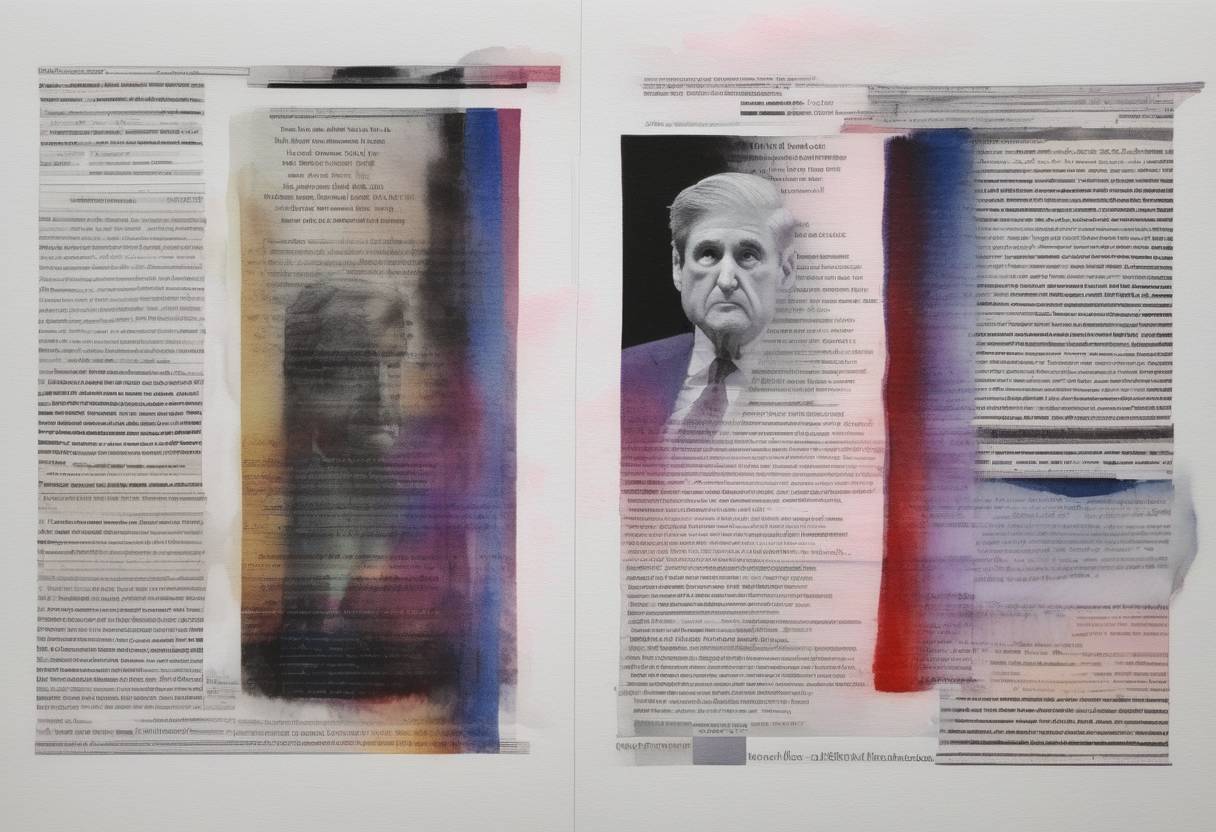
Release of the Redacted Mueller Report - April 18, 2019
On April 18, 2019, a redacted version of the Mueller Report was released to the public, marking a significant moment in the investigation into Russian interference in the 2016 U.S. presidential election. The report, officially titled “Report on the Investigation into Russian Interference in the 2016 Presidential Election,” was the culmination of a nearly two-year investigation led by Special Counsel Robert S. Mueller III.
Background
The investigation was initiated in May 2017, following concerns about Russian efforts to influence the 2016 election and potential connections between the Russian government and individuals associated with Donald Trump’s presidential campaign. The inquiry was tasked with examining:
- Russian Interference: Investigating the methods and extent of Russian interference in the election.
- Collusion: Determining whether there were any links or coordination between the Russian government and the Trump campaign.
- Obstruction of Justice: Assessing whether President Trump or others attempted to obstruct the investigation.
Key Findings
The Mueller Report is divided into two volumes:
Volume I: Russian Interference
- Social Media Campaign: The report detailed how the Internet Research Agency, a Russian organization, conducted a social media campaign to influence public opinion and sow discord among the American electorate.
- Hacking Operations: It confirmed that Russian intelligence agencies hacked into the Democratic National Committee (DNC) and the email accounts of individuals associated with the Hillary Clinton campaign, releasing stolen documents to the public.
- No Conspiracy: While the investigation identified numerous contacts between Trump campaign officials and individuals with ties to the Russian government, it did not establish that the campaign conspired or coordinated with the Russian government in its election interference activities.
Volume II: Obstruction of Justice
- Obstruction Analysis: The report examined several actions by President Trump that could potentially constitute obstruction of justice, including efforts to remove the Special Counsel and attempts to influence witness testimony.
- No Exoneration: While the report did not conclude that the President committed a crime, it also explicitly stated that it did not exonerate him. Mueller noted that Congress has the authority to conduct obstruction investigations.
Aftermath and Impact
The release of the redacted report sparked widespread political debate and analysis. Key consequences included:
- Congressional Hearings: The findings led to numerous congressional hearings and further investigations by various committees.
- Public and Political Reaction: The report intensified partisan divisions, with differing interpretations of its findings by Democrats and Republicans.
- Legal and Political Ramifications: While the report did not lead to criminal charges against President Trump, it played a significant role in the political discourse and was a factor in the subsequent impeachment inquiry initiated by the House of Representatives in 2019.
The Mueller Report remains a critical document in understanding the complexities of foreign interference in U.S. elections and the legal and ethical boundaries of presidential conduct. Its release underscored the importance of transparency and accountability in democratic processes.