May 26, 2008

Severe flooding in Iowa leads to the evacuation of thousands of residents as rivers overflow, causing significant damage to homes and infrastructure.


Cedar Rapids, United States | National Weather Service
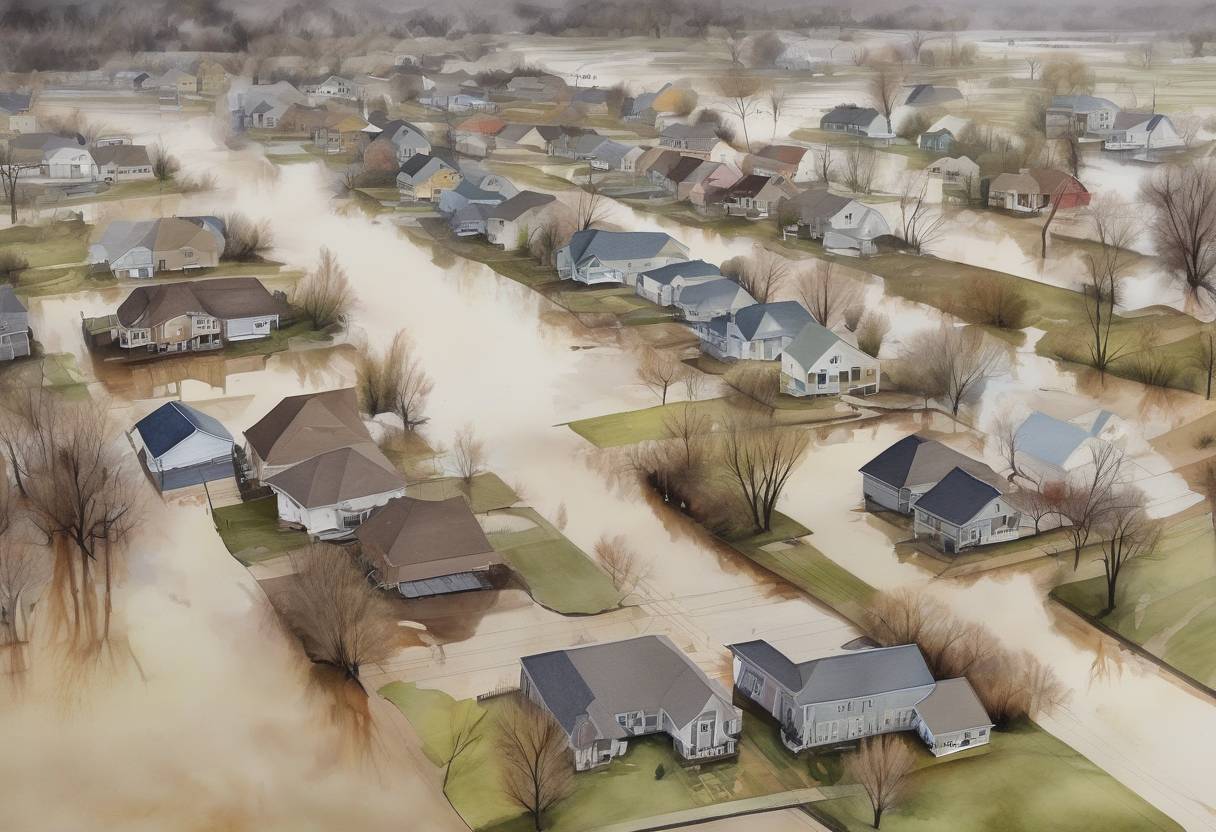
Watercolor painting based depiction of Severe flooding in Iowa leads to the evacuation of thousands of residents as rivers overflow, causing significant damage to homes and infrastructure. (2008)

Severe Flooding in Iowa - May 26, 2008

On May 26, 2008, Iowa experienced severe flooding that led to the evacuation of thousands of residents. This natural disaster was part of a series of floods that affected the Midwest United States during the spring and summer of 2008, often referred to as the “Great Iowa Flood of 2008.”

Context and Causes

The flooding in Iowa was primarily caused by a combination of factors:

  • Heavy Rainfall: The region experienced unusually heavy and persistent rainfall in the weeks leading up to the disaster. This saturated the ground and increased the water levels in rivers and streams.
  • Snowmelt: The melting of a significant snowpack from the previous winter contributed to the already high water levels in rivers.
  • River Overflow: Major rivers, including the Cedar and Iowa Rivers, overflowed their banks, exacerbating the flooding situation.

Key Events

  • Evacuations: As rivers overflowed, thousands of residents were forced to evacuate their homes. Cities like Cedar Rapids and Iowa City were particularly hard hit.
  • Infrastructure Damage: The flooding caused extensive damage to homes, businesses, roads, and bridges. In Cedar Rapids, the Cedar River crested at a record 31.12 feet, inundating much of the downtown area.
  • Emergency Response: Local, state, and federal agencies, including the National Guard, were mobilized to assist with evacuations, provide relief supplies, and help with recovery efforts.

Aftermath and Consequences

  • Economic Impact: The floods caused billions of dollars in damage. The agricultural sector was severely affected, with many farms experiencing crop losses.
  • Recovery Efforts: Recovery and rebuilding efforts took years, with significant federal assistance provided to help communities rebuild infrastructure and homes.
  • Policy Changes: The disaster prompted discussions on flood management and infrastructure improvements to better prepare for future flooding events.

Broader Historical Significance

The 2008 floods highlighted the vulnerability of the Midwest to extreme weather events and underscored the importance of effective flood management and emergency preparedness. It also contributed to ongoing discussions about climate change and its potential impact on weather patterns and natural disasters.

The flooding in Iowa in 2008 remains a significant event in the state’s history, illustrating the challenges of balancing human settlement and infrastructure with the forces of nature.

Source: www.cnn.com