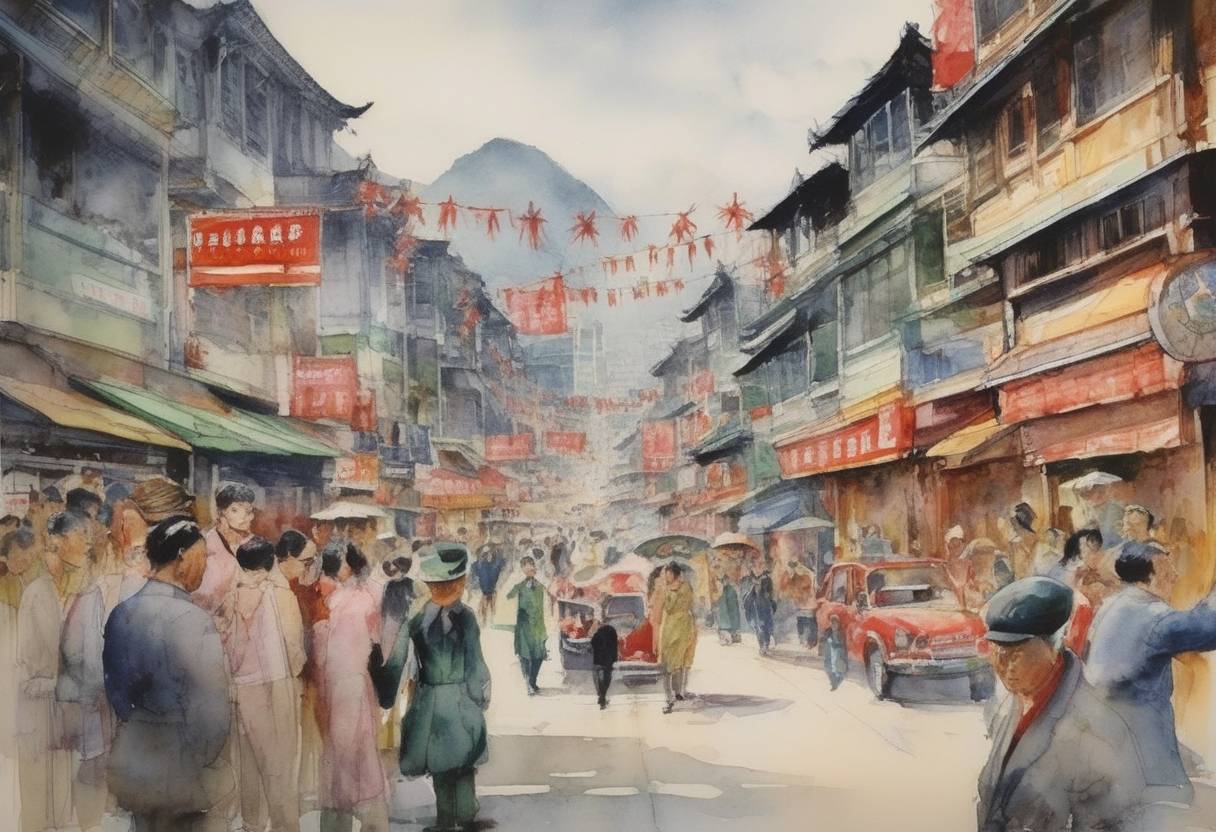
Transfer of Hong Kong Sovereignty: July 1, 1997
On July 1, 1997, the sovereignty of Hong Kong was officially transferred from the United Kingdom to the People’s Republic of China, marking the end of 156 years of British colonial rule. This historic event was the culmination of a series of negotiations and agreements between the UK and China, most notably the Sino-British Joint Declaration signed in 1984.
Background
British Colonial Rule: Hong Kong became a British colony after the First Opium War (1839-1842), with the Treaty of Nanking ceding Hong Kong Island to Britain in 1842. Subsequent treaties expanded British control to the Kowloon Peninsula and the New Territories.
Sino-British Joint Declaration: Signed on December 19, 1984, this agreement outlined the terms under which Hong Kong would be returned to China. It stipulated that Hong Kong would become a Special Administrative Region (SAR) of China, maintaining its capitalist system and way of life for 50 years after the transfer.
The Handover Ceremony
Location and Participants: The handover ceremony took place at the Hong Kong Convention and Exhibition Centre. Dignitaries included Prince Charles, representing the UK, and Jiang Zemin, the President of China, along with the last British Governor of Hong Kong, Chris Patten, and the first Chief Executive of the Hong Kong SAR, Tung Chee-hwa.
Symbolic Acts: The ceremony featured the lowering of the Union Jack and the Hong Kong colonial flag, followed by the raising of the Chinese national flag and the Hong Kong SAR flag, symbolizing the transfer of sovereignty.
Aftermath and Significance
“One Country, Two Systems”: This principle, proposed by Chinese leader Deng Xiaoping, was designed to ensure that Hong Kong would retain its legal and economic systems distinct from mainland China. It was a key component of the Joint Declaration and the Basic Law, Hong Kong’s mini-constitution.
Economic and Social Impact: The handover was met with mixed emotions in Hong Kong, with concerns about the preservation of freedoms and autonomy. Economically, Hong Kong continued to thrive as a global financial hub, although political tensions have occasionally surfaced.
Long-term Implications: The transfer of sovereignty has had lasting implications for Hong Kong’s identity and its relationship with both China and the international community. The “one country, two systems” framework has been tested over the years, particularly in light of political developments and protests advocating for democratic reforms.
The handover of Hong Kong remains a significant event in modern history, symbolizing the end of colonialism in Asia and the complex dynamics of sovereignty, governance, and identity in the region.