The Panama Papers Leak - April 3, 2016
2016 · Munich, Germany
The Panama Papers were leaked, revealing how wealthy individuals and public officials used offshore tax regimes.
April 1, 2016
The International Consortium of Investigative Journalists (ICIJ) began releasing the Panama Papers, exposing offshore tax havens used by the world's elite.
Washington D.C., United States | ICIJ
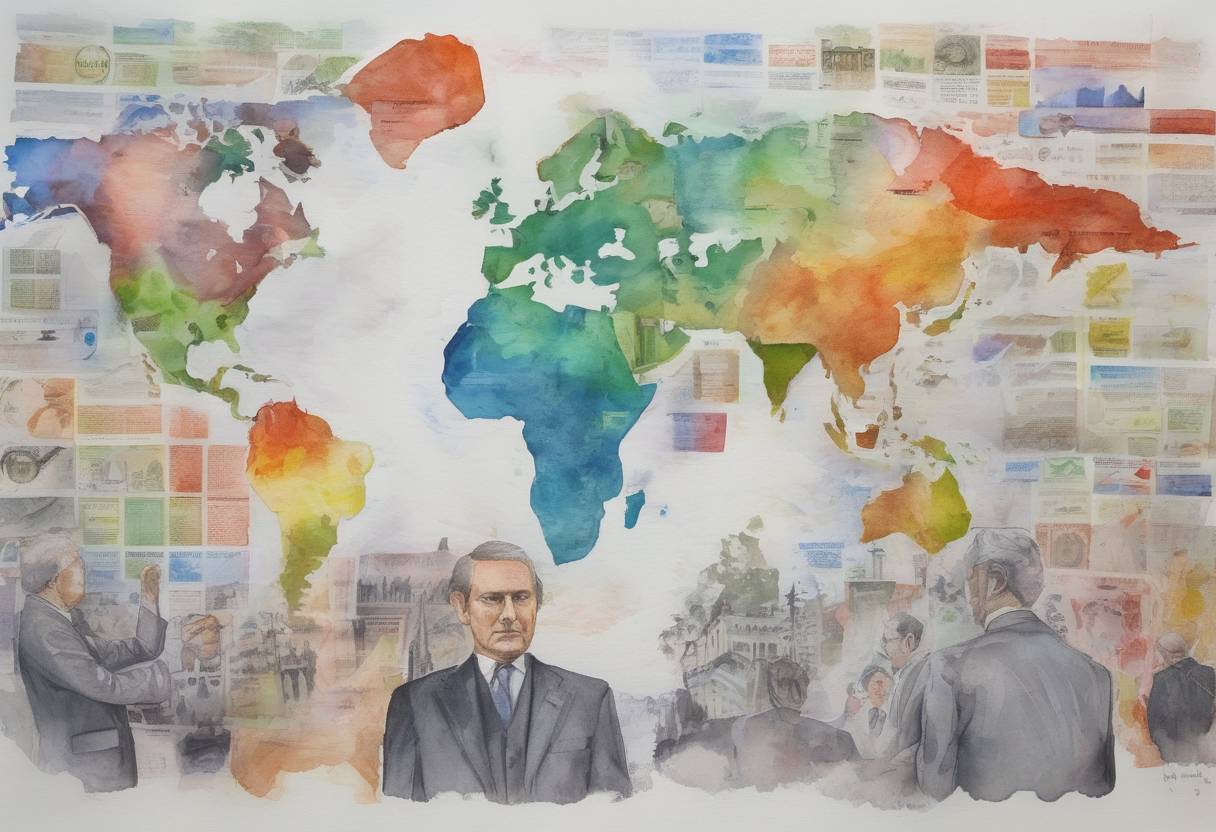
On April 1, 2016, the International Consortium of Investigative Journalists (ICIJ) began releasing the Panama Papers, a groundbreaking exposé that unveiled the extensive use of offshore tax havens by some of the world’s most powerful individuals and entities. This massive leak of financial documents marked a significant moment in the history of journalism and global finance.
The Panama Papers originated from a leak of 11.5 million documents from the Panamanian law firm Mossack Fonseca. These documents, dating back to the 1970s, detailed the creation of over 214,000 offshore entities. The leak was initially obtained by the German newspaper Süddeutsche Zeitung, which then collaborated with the ICIJ to analyze and disseminate the information.
Global Scale: The documents implicated numerous high-profile figures, including politicians, business leaders, celebrities, and sports stars from over 200 countries. Notable names included the then-Prime Minister of Iceland, Sigmundur Davíð Gunnlaugsson, and associates of Russian President Vladimir Putin.
Tax Evasion and Money Laundering: The papers revealed how offshore companies were used for tax evasion, money laundering, and circumventing international sanctions. They highlighted the opaque nature of the offshore financial system and its role in facilitating illicit activities.
Political Consequences: The revelations led to significant political fallout. Iceland’s Prime Minister resigned, and investigations were launched in several countries. The scandal intensified global discussions on financial transparency and the regulation of tax havens.
Regulatory Reforms: The Panama Papers spurred calls for greater transparency in the financial sector. Many countries began to tighten regulations on offshore finance and improve cooperation in tax matters.
Public Awareness: The leak heightened public awareness of the scale and impact of tax avoidance and evasion, leading to increased scrutiny of the financial practices of the elite.
Journalistic Achievement: The collaborative effort of over 370 journalists from 76 countries set a new standard for investigative journalism, showcasing the power of cross-border collaboration in uncovering complex global issues.
The release of the Panama Papers on April 1, 2016, was a pivotal moment that exposed the hidden financial dealings of the global elite. It underscored the need for transparency and accountability in the financial system and demonstrated the critical role of investigative journalism in holding power to account. The aftermath of the leak continues to influence discussions on financial ethics and regulation worldwide.
Source: www.icij.org