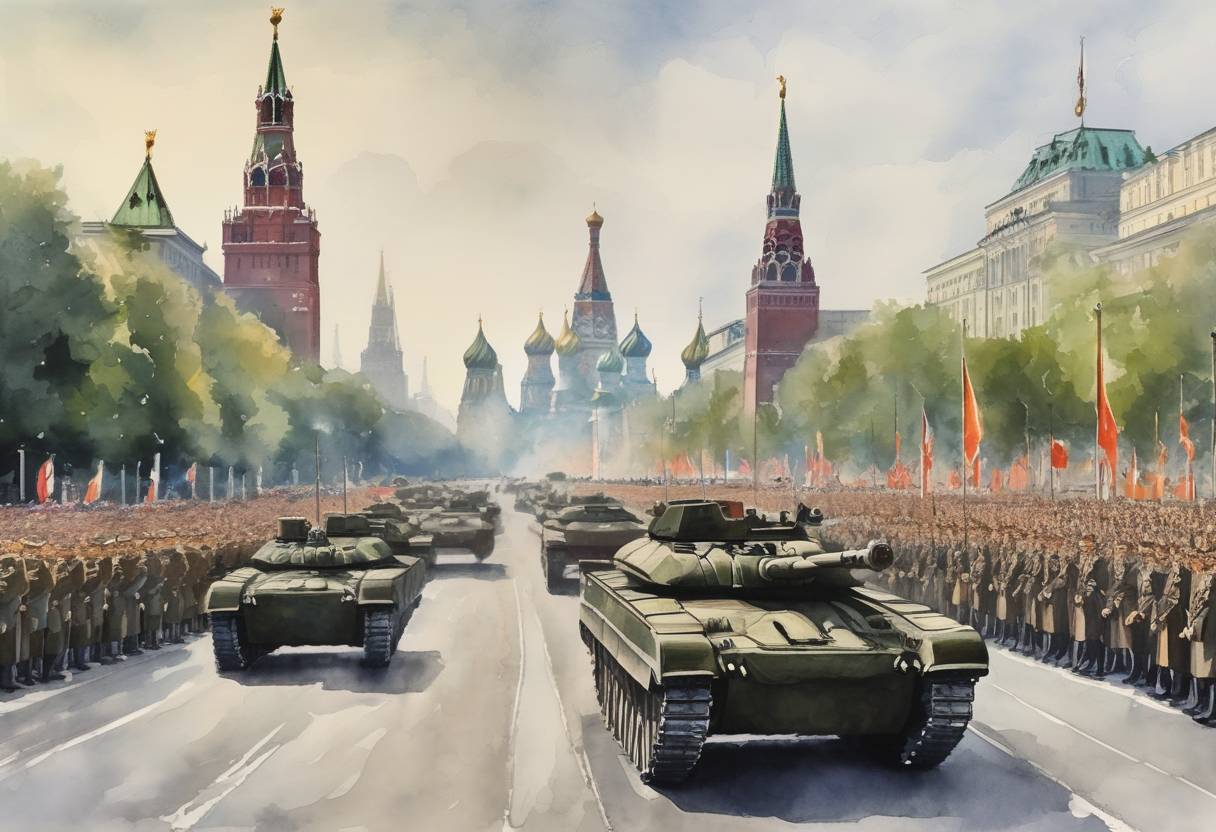
Victory Day Parade in Moscow - May 9, 2015
On May 9, 2015, Russia held a grand military parade in Moscow to commemorate the 70th anniversary of Victory Day, marking the defeat of Nazi Germany in World War II. This event is one of the most significant in Russia’s annual calendar, celebrating the end of the Great Patriotic War, as World War II is known in Russia.
Historical Context
- Victory Day: Celebrated annually on May 9, Victory Day marks the surrender of Nazi Germany in 1945. The day is a symbol of national pride and remembrance for the immense sacrifices made by the Soviet Union during the war, which resulted in the loss of an estimated 27 million Soviet lives.
- Significance of the 70th Anniversary: The 70th anniversary was particularly significant, serving as a reminder of the enduring legacy of World War II and the Soviet Union’s pivotal role in the Allied victory.
The Parade
- Location: The parade took place in Red Square, Moscow, a traditional venue for such events, symbolizing the heart of Russian power and history.
- Participants: Approximately 16,000 troops participated, showcasing the strength and discipline of the Russian military. The parade also included veterans of World War II, highlighting the personal sacrifices made during the conflict.
- Military Display: The event featured an extensive display of military hardware, including tanks, missile systems, and aircraft. Notably, the parade showcased the Armata T-14 tank, a new generation of Russian armored vehicles, emphasizing Russia’s ongoing military advancements.
- International Attendance: While the parade was attended by several world leaders, many Western leaders were absent due to tensions over Russia’s actions in Ukraine, reflecting the geopolitical climate of the time.
Broader Significance
- National Pride and Memory: The parade served as a powerful expression of national pride and a reminder of the Soviet Union’s role in defeating Nazi Germany. It reinforced the narrative of resilience and victory that is central to Russian national identity.
- Geopolitical Context: The 2015 parade occurred amid strained relations between Russia and the West, particularly following Russia’s annexation of Crimea in 2014. The absence of many Western leaders highlighted the ongoing diplomatic tensions and the complex international landscape.
Aftermath
- Domestic Impact: The parade bolstered national unity and pride, reinforcing the importance of Victory Day in Russian culture and politics.
- International Relations: The event underscored the divisions between Russia and Western countries, with the display of military might serving as both a celebration of past victories and a statement of current capabilities.
In summary, the 70th anniversary of Victory Day in 2015 was a significant event that celebrated historical achievements while also reflecting contemporary geopolitical realities. It served as a reminder of the enduring impact of World War II on Russian society and its ongoing influence on international relations.