Repeal of the Stamp Act on March 4, 1766
1766 · London, United Kingdom
The Stamp Act was repealed by the British Parliament, ending an important early protest in the colonies.
December 5, 1766
In London, Britain issues a declaration effectually repealing the Stamp Act, which imposed taxes on paper goods in the American colonies.
London, Great Britain | British Parliament
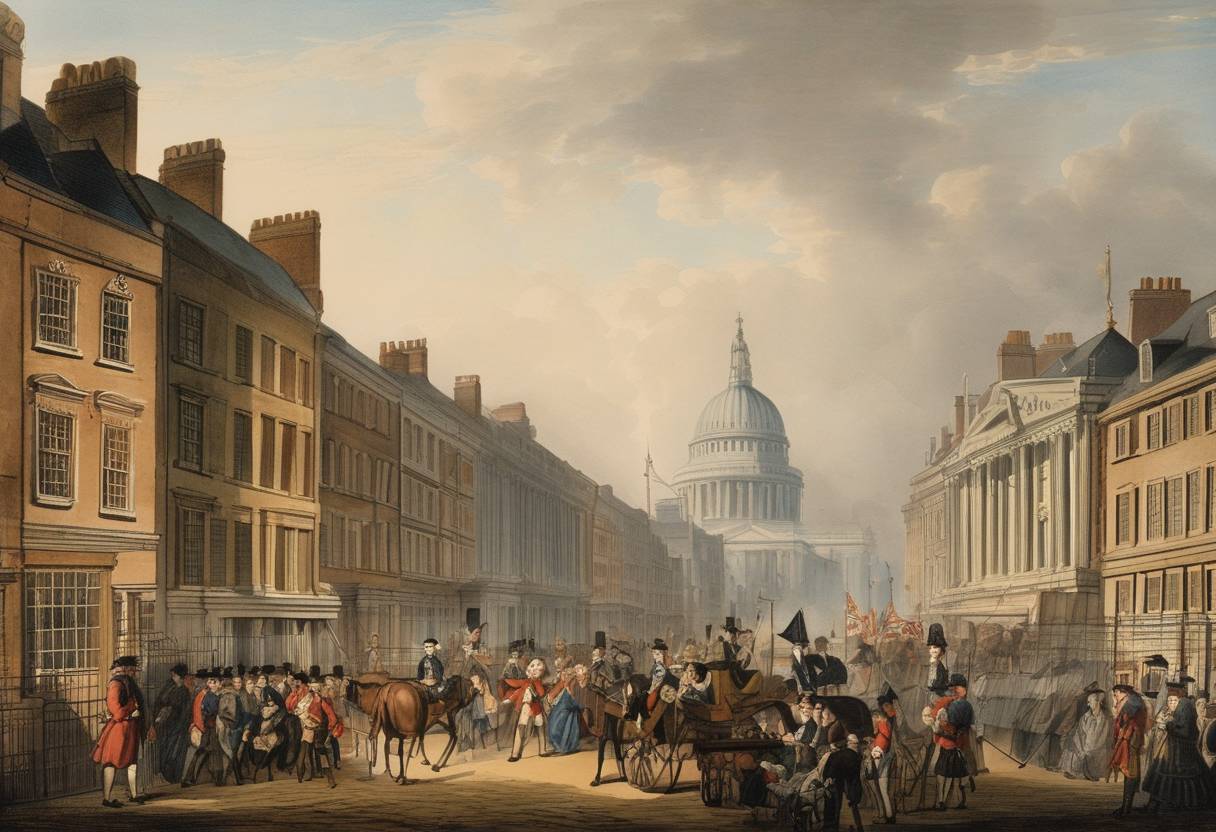
The Stamp Act was enacted by the British Parliament in 1765 and required American colonists to pay a tax on every piece of printed paper they used, including newspapers, legal documents, and licenses. The Act was part of a series of measures to help pay off the debt accrued during the Seven Years’ War and to fund the ongoing costs of maintaining British troops in North America.
The Act was met with significant opposition in the colonies, where it was viewed as a direct attempt by England to raise revenue without the consent of the colonial assemblies. This objection was a significant early expression of the principle of “no taxation without representation.” The colonists organized protests, formed groups like the Sons of Liberty, and convened the Stamp Act Congress, which sent petitions to the King and Parliament requesting the repeal of the Act.
On May 12, 1766, in London, Britain officially repealed the Stamp Act. The pushback from the colonies, combined with protests across the Atlantic and economic pressure from British merchants who suffered from the boycott of British goods in the colonies, led to this significant decision.
The repeal was a temporary easing of tensions between the colonies and the British government. However, it also emboldened colonists in their resistance, fostering a spirit of unity and political engagement that would continue to grow leading up to the American Revolution. Although the Stamp Act was repealed, Parliament passed the Declaratory Act on the same day, affirming its authority to legislate for the colonies “in all cases whatsoever,” which laid the groundwork for future conflicts.
The repeal of the Stamp Act on May 12, 1766, was a pivotal moment in colonial America, underscoring the growing chasm between the colonies and the British government. It was a testament to the colonies’ burgeoning sense of independence and set the stage for the Revolutionary War a decade later.