Independence of Guyana: May 26, 1966
1966 · Georgetown, Guyana
British Guiana gained independence from the United Kingdom, becoming the nation of Guyana.
August 31, 1962
Trinidad and Tobago became an independent nation within the Commonwealth, gaining freedom from British colonial rule. The event marked a significant transition as the country established its own constitution and government.
Port of Spain, Trinidad and Tobago | Government of Trinidad and Tobago
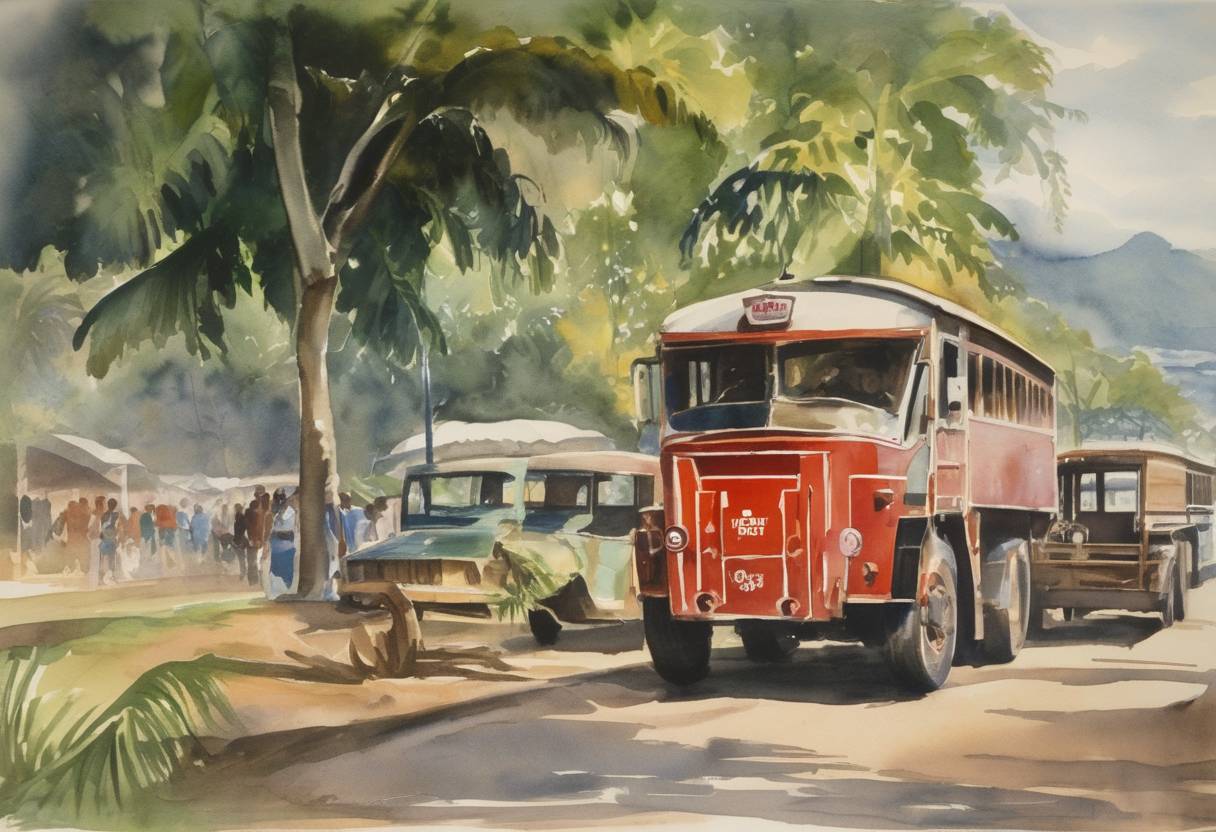
On August 31, 1962, Trinidad and Tobago transitioned from a British colony to an independent nation within the Commonwealth, marking a pivotal moment in its history. This change allowed the twin-island nation to establish its sovereignty, political identity, and governance structures.
Trinidad and Tobago had been under British control since the early 19th century. Trinidad was ceded to Britain from Spain in 1802 under the Treaty of Amiens, and Tobago followed in 1814, after being passed between various colonial powers. Over the years, the islands were developed primarily for their agricultural resources, notably sugar and cocoa, with a labor force initially of enslaved Africans and, post-emancipation, indentured workers from India.
In the 1950s, the winds of change were sweeping across the Caribbean as nations began moving toward self-governance. In Trinidad and Tobago, political awareness and aspiration for independence grew, particularly after World War II. Local political movements, spurred by leaders like Eric Williams, advocated for greater autonomy. Williams, together with his political party, the People’s National Movement (PNM), played a crucial role in the push for national self-determination.
The establishment of internal self-government in 1956 was a significant step toward full independence. Eric Williams became Chief Minister, a role that allowed for increased local governance over domestic affairs. In 1961, following negotiations with the British government, the country moved further toward full self-rule, setting the stage for independence.
On August 31, 1962, Trinidad and Tobago became an independent nation. This monumental event was celebrated with a ceremonial transfer of power, officially marked by the lowering of the British Union Jack and the raising of the new national flag of Trinidad and Tobago. Eric Williams became the country’s first Prime Minister, steering the new nation into its post-colonial era.
The newly formed government established a Constitution that outlined democratic ideals and institutions. Based on the Westminster model, the system included a parliamentary democracy with an elected House of Representatives and a Senate appointed by the President, a figurehead representing the British Monarch.
Independence allowed Trinidad and Tobago to craft its national identity, separate from colonial history. It facilitated socio-economic policies aimed at improving education, infrastructure, and social welfare. The emergence of vibrant cultural expressions, particularly in the arts, music, and Carnival, fostered a unique national pride.
Trinidad and Tobago’s success in achieving peaceful independence served as an inspiration for other Caribbean nations. It signaled a growing trend toward decolonization and was part of a broader political shift in the region, encouraging other colonies to seek similar pathways to self-rule.
In conclusion, the independence of Trinidad and Tobago on August 31, 1962, was not just a significant national milestone but also a moment that contributed meaningfully to the global decolonization movement, paving the way for the socio-economic and cultural development seen in the present day.
Source: www.cia.gov