The Treaty of Edinburgh: August 12, 1560
1560 · Edinburgh, Scotland
The Treaty of Edinburgh was ratified by Mary, Queen of Scots, officially ending French and English hostilities in Scotland.
December 8, 1542
Mary, Queen of Scots, was born.
Linlithgow, Scotland
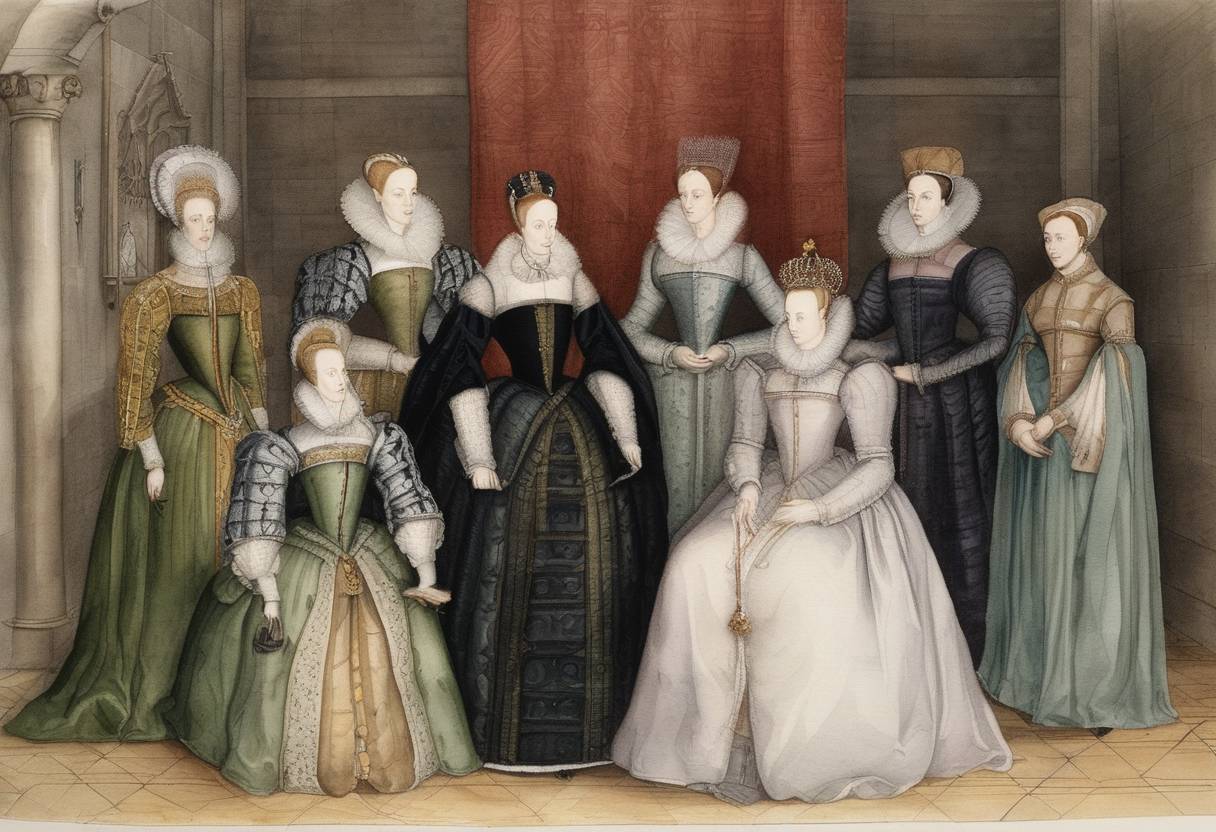
Mary, Queen of Scots, was born on December 8, 1542, at Linlithgow Palace in Scotland. Her birth took place during a tumultuous period in Scottish and English history, marked by political strife and ongoing conflict.
Mary was the daughter of King James V of Scotland and his French wife, Marie de Guise. Her father, James V, had just suffered a significant defeat against the English at the Battle of Solway Moss in November 1542, a blow to the Scottish forces and morale. This loss left the Scottish throne and its future precarious shortly before Mary was born.
Mary’s birth on December 8 was both celebrated and filled with uncertainty due to the political atmosphere. Just six days after her birth, her father, stricken by illness and the defeat at Solway Moss, passed away on December 14, 1542. This event catapulted Mary to the position of Queen of Scots when she was merely six days old.
Given her infancy, her early reign was managed by regents, and her mother, Mary of Guise, played a significant role in governing Scotland. The infancy of Mary led to a period of regency that saw significant political maneuvering from both Scottish and foreign nobles.
Marriage and Alliances: Her birth and subsequent ascension to the throne carried implications for international alliances, notably between France and Scotland against England. This culminated in her betrothal to Francis, the Dauphin of France, highlighting the complex network of royal diplomacy.
Religious Conflict: The era was marked by religious tension, with Scotland caught between Catholicism and the growing Protestant Reformation. Mary’s Catholic background would later play a crucial role in her life and reign, eventually leading to her imprisonment and execution in England under her cousin Elizabeth I.
Mary’s birth is thus a significant historical event, not just for Scotland, but in the broader European contexts of dynastic politics and religious conflict during the 16th century.
Source: www.britannica.com