Cyclone Fani Makes Landfall in Odisha, India - May 3, 2019
2019 · Odisha, India
Cyclone Fani makes landfall in Odisha, India, causing widespread damage and leading to the evacuation of over a million people.
December 16, 2012
A gang rape and murder of a young woman occurred in Delhi, India, sparking widespread protests and leading to significant changes in Indian laws regarding sexual violence.
Delhi, India | Indian government
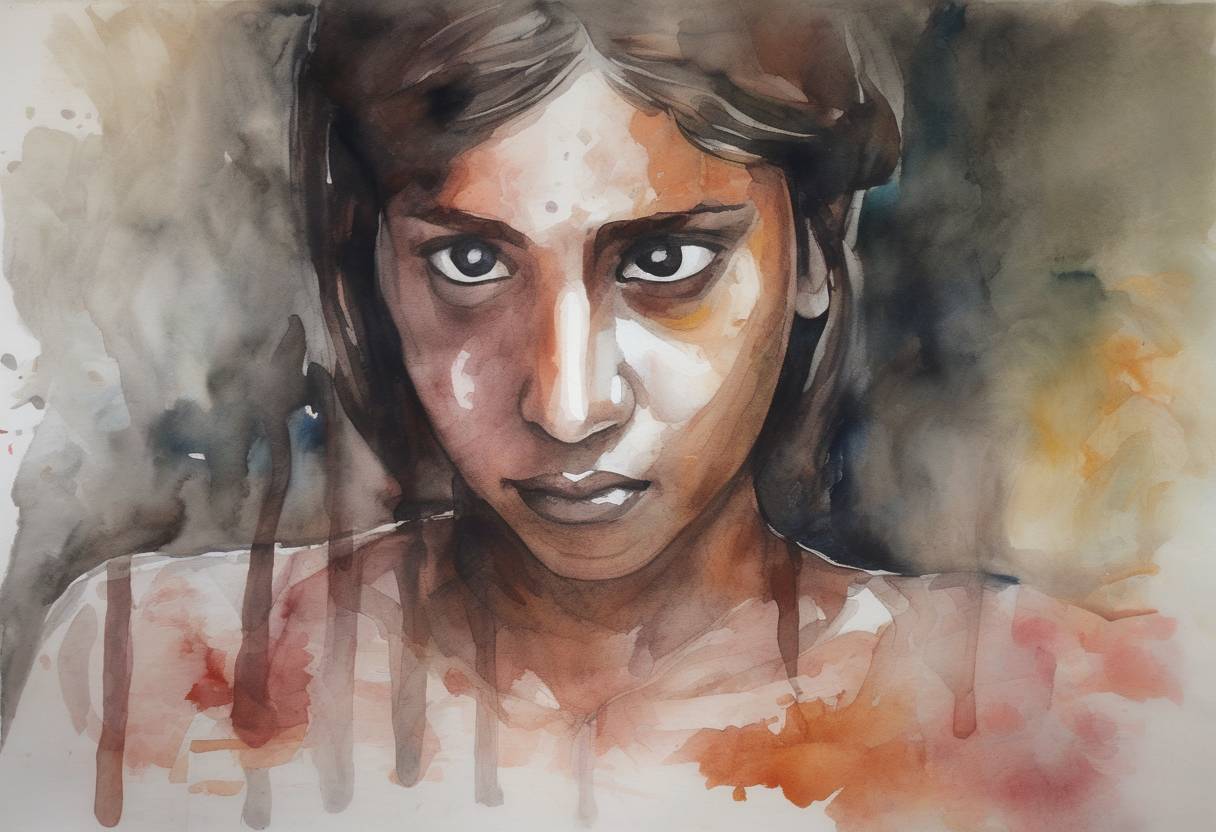
On December 16, 2012, a horrific crime occurred in Delhi, India, that would become a pivotal moment in the country’s history concerning women’s safety and legal reforms. A 23-year-old physiotherapy intern, Jyoti Singh, was brutally gang-raped and assaulted on a moving bus by six individuals, including a juvenile. She was accompanied by a male friend, who was also severely beaten during the attack.
Jyoti Singh and her friend boarded a private bus in the Munirka area of South Delhi after watching a movie. The bus, which was illegally operating, had tinted windows and curtains, making it difficult for outsiders to see inside. The attackers, who were already on the bus, lured the couple by pretending to be passengers. Once the bus was in motion, the group assaulted the couple, taking turns raping Jyoti Singh and inflicting severe injuries with an iron rod.
After the attack, the victims were stripped and thrown out of the moving bus onto the roadside. They were discovered by passersby and taken to a hospital. Despite receiving intensive medical care, Jyoti Singh succumbed to her injuries on December 29, 2012, in a hospital in Singapore, where she had been transferred for further treatment.
The brutality of the crime shocked the nation and led to widespread protests across India. Thousands of people took to the streets in Delhi and other major cities, demanding justice for Jyoti Singh and calling for stronger laws to protect women. The protests were marked by their intensity and scale, with demonstrators facing water cannons and tear gas from the police.
The incident prompted the Indian government to take swift action. A judicial committee, headed by former Chief Justice J.S. Verma, was established to review the existing laws related to sexual violence. The committee’s recommendations led to the enactment of the Criminal Law (Amendment) Act, 2013, which introduced stricter penalties for sexual crimes, including the death penalty for repeat offenders and the criminalization of voyeurism and stalking.
The case also resulted in the establishment of fast-track courts to expedite trials of rape cases. The juvenile involved in the crime was tried separately under the Juvenile Justice Act and was sentenced to three years in a reform facility, the maximum penalty under the law at the time.
The 2012 Delhi gang rape and murder highlighted the pervasive issue of gender-based violence in India and sparked a national conversation about women’s safety and rights. It led to increased awareness and activism around gender equality and the need for societal change. The incident also underscored the importance of legal reforms and the role of public pressure in shaping policy.
In the years following the attack, there have been ongoing efforts to improve women’s safety in India, though challenges remain. The case remains a significant moment in India’s history, symbolizing both the deep-rooted issues of gender violence and the potential for societal transformation through collective action.
Source: www.bbc.com