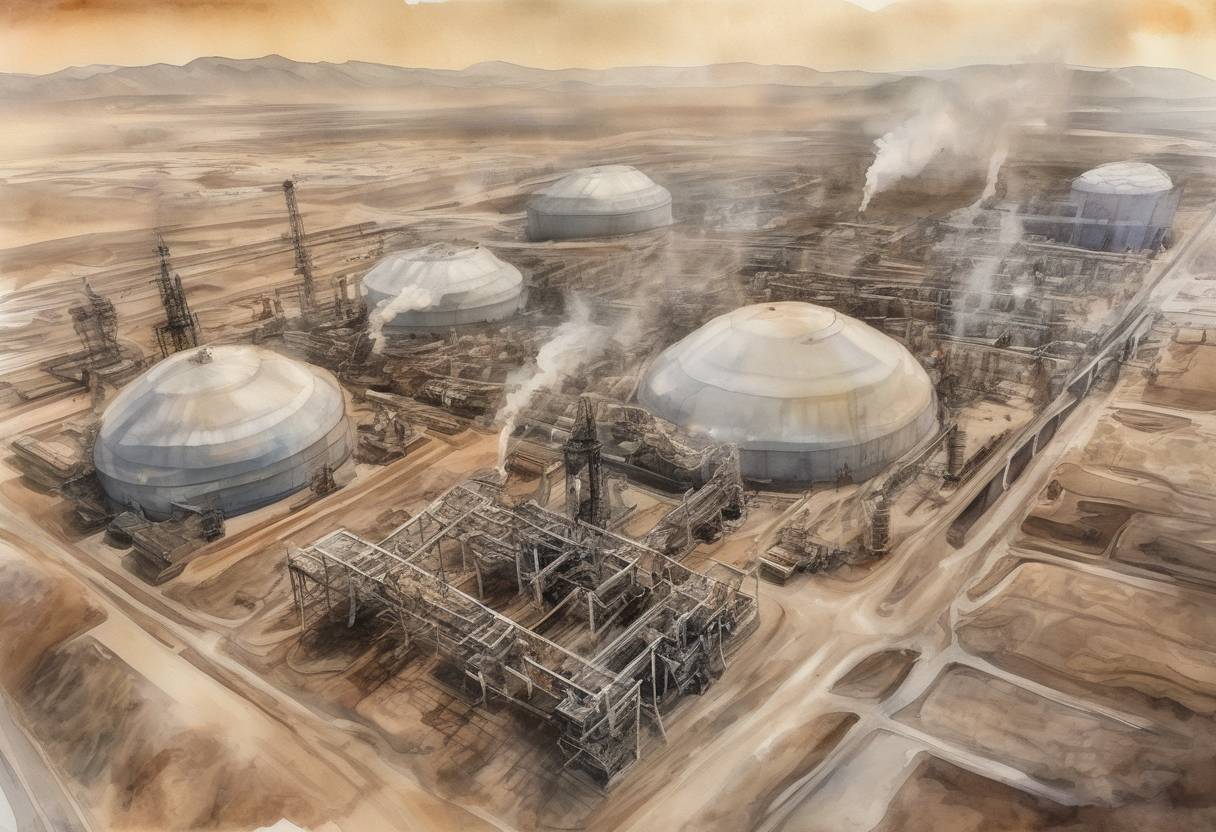
Drone Attacks on Saudi Oil Facilities - September 14, 2019
On September 14, 2019, two major oil facilities in Saudi Arabia were targeted by drone attacks, significantly impacting global oil production and escalating regional tensions. The facilities attacked were the Abqaiq processing facility and the Khurais oil field, both operated by Saudi Aramco, the state-owned oil company.
Context and Background
- Saudi Aramco: As the world’s largest oil company, Saudi Aramco plays a crucial role in global oil supply. The Abqaiq facility is one of the largest oil processing plants in the world, and Khurais is a major oil field.
- Regional Tensions: The Middle East has long been a region of geopolitical tension, with Saudi Arabia and Iran often at odds. The attacks occurred amidst ongoing conflicts and proxy wars in the region, particularly in Yemen, where Saudi Arabia leads a coalition against the Iran-aligned Houthi movement.
The Attacks
- Execution: The attacks involved multiple drones and cruise missiles, causing fires and significant damage to the facilities. The precision and scale of the attacks suggested a high level of sophistication.
- Immediate Impact: The attacks temporarily disrupted about 5% of the world’s daily oil production, causing a spike in oil prices and raising concerns about energy security.
Attribution and Response
- Responsibility: The Houthi rebels in Yemen claimed responsibility for the attacks. However, Saudi Arabia and the United States accused Iran of orchestrating the attacks, citing evidence such as the direction and sophistication of the assault.
- International Reaction: The attacks drew widespread condemnation and highlighted vulnerabilities in global energy infrastructure. The U.S. increased its military presence in the region, and Saudi Arabia sought to reassure markets by quickly restoring production levels.
Aftermath and Consequences
- Oil Markets: The immediate aftermath saw a sharp increase in oil prices, though they stabilized as Saudi Arabia rapidly repaired the damage and resumed production.
- Geopolitical Tensions: The incident further strained relations between the U.S., Saudi Arabia, and Iran, contributing to heightened tensions in the Gulf region.
- Security Measures: The attacks underscored the need for enhanced security measures to protect critical infrastructure from drone and missile threats.
Broader Historical Significance
The September 14, 2019, attacks on Saudi oil facilities marked a significant moment in the ongoing geopolitical struggle in the Middle East. They highlighted the vulnerabilities of global oil supply chains and the potential for regional conflicts to have far-reaching economic impacts. The incident also underscored the evolving nature of warfare, where non-state actors can leverage advanced technology to challenge state security.