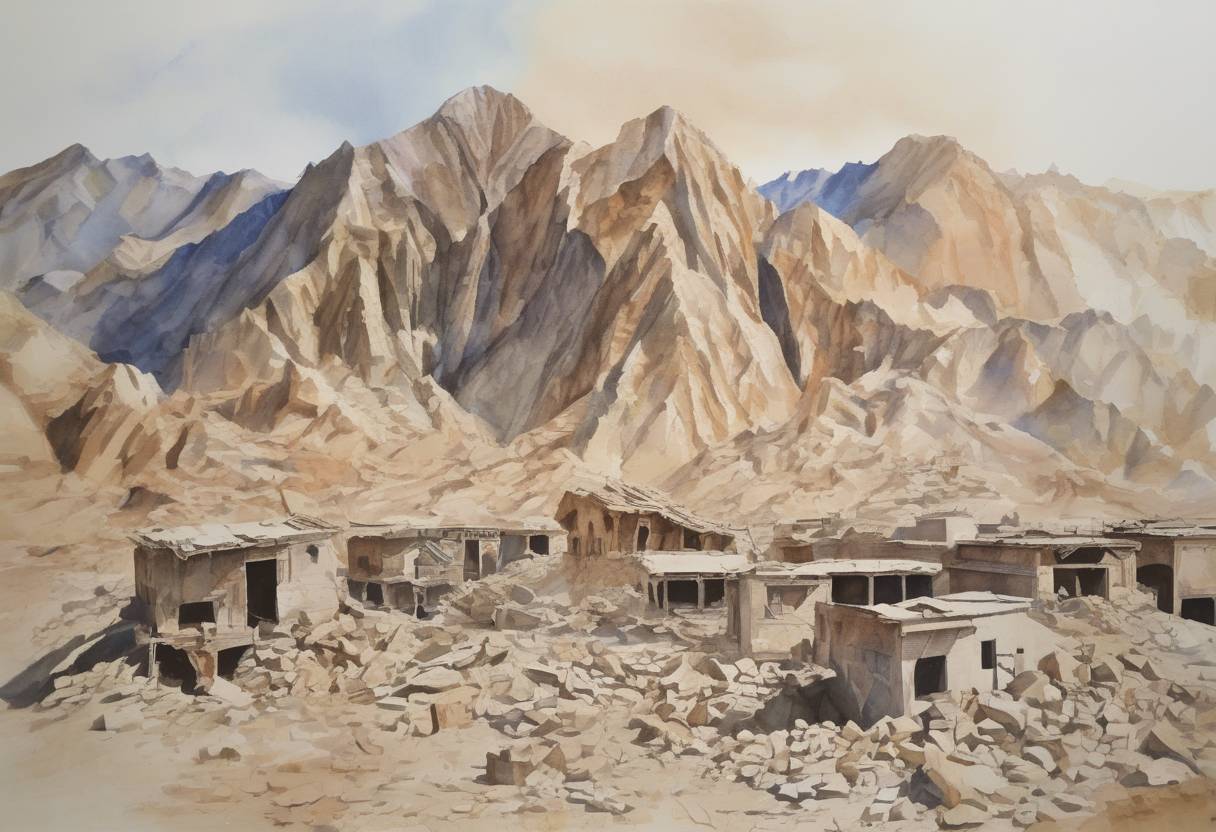
Earthquake in Balochistan, Pakistan - September 29, 2013
On September 29, 2013, a series of earthquakes struck the southwestern region of Pakistan, with the most significant being a 6.8 magnitude quake centered in Balochistan. This seismic event followed a devastating 7.7 magnitude earthquake that had occurred just days earlier on September 24, 2013, in the same region. The September 29 quake exacerbated the destruction and loss of life caused by the earlier tremor.
Context and Background
Balochistan, the largest province in Pakistan by area, is known for its rugged terrain and sparse population. The region is seismically active due to its location near the boundary of the Indian and Eurasian tectonic plates. Earthquakes are relatively common in this area, but the magnitude and frequency of the 2013 events were particularly severe.
Key Events
September 24, 2013: A powerful 7.7 magnitude earthquake struck Awaran district in Balochistan, causing widespread destruction. The quake resulted in significant casualties and left thousands homeless.
September 29, 2013: A 6.8 magnitude aftershock hit the same region, further compounding the devastation. This aftershock was felt across a wide area, including parts of neighboring Iran and India.
Impact
Casualties and Damage: The combined effect of the earthquakes resulted in over 800 deaths and thousands of injuries. Many homes, constructed primarily from mud and brick, were unable to withstand the tremors, leading to extensive structural damage.
Humanitarian Response: The Pakistani government, along with international aid organizations, launched relief efforts to provide food, shelter, and medical care to the affected populations. The remote and rugged terrain of Balochistan posed significant challenges to these efforts.
Geological Impact: The earthquakes caused a new island to emerge off the coast of Gwadar, Pakistan. This phenomenon, known as a mud volcano, was a temporary geological feature resulting from the release of gases and mud from beneath the seabed.
Aftermath and Significance
The 2013 Balochistan earthquakes highlighted the vulnerability of the region’s infrastructure and the need for improved disaster preparedness and response mechanisms. The events underscored the importance of building earthquake-resistant structures, particularly in seismically active areas.
The earthquakes also drew attention to the socio-economic challenges faced by the residents of Balochistan, one of Pakistan’s most impoverished regions. The disaster prompted discussions on the need for sustainable development and investment in the province to enhance resilience against future natural disasters.
In summary, the September 29, 2013, earthquake in Balochistan was a tragic reminder of the power of natural forces and the ongoing need for effective disaster management strategies in vulnerable regions.