Deposition of Emperor Haile Selassie I - September 12, 1974
1974 · Addis Ababa, Ethiopia
Emperor Haile Selassie I of Ethiopia was deposed in a coup d'état, ending his reign and leading to the establishment of a Marxist-Leninist government.
May 24, 2010
Ethiopian Prime Minister Meles Zenawi's ruling party, the Ethiopian People's Revolutionary Democratic Front, won a landslide victory in the country's parliamentary elections, which were criticized by opposition groups and international observers for alleged irregularities.
Addis Ababa, Ethiopia | Ethiopian People's Revolutionary Democratic Front
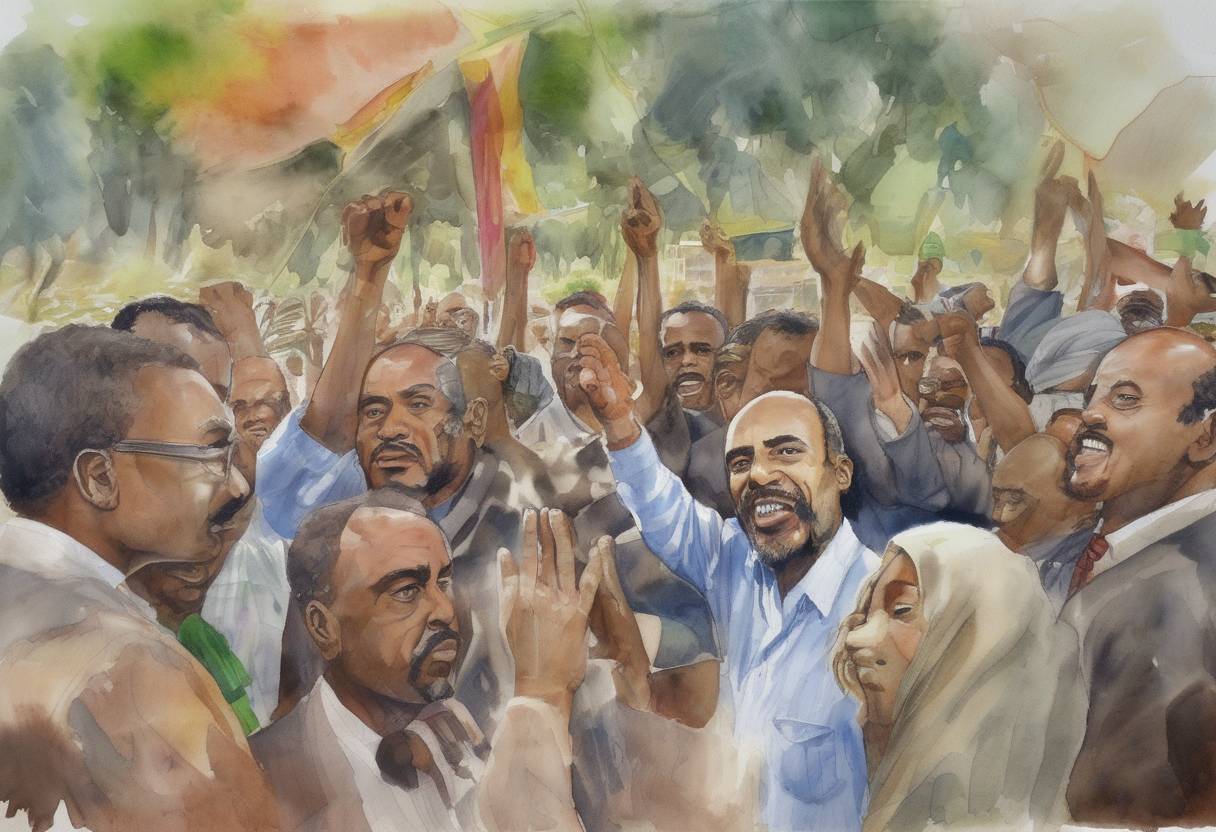
On May 24, 2010, Ethiopia held parliamentary elections that resulted in a landslide victory for the ruling party, the Ethiopian People’s Revolutionary Democratic Front (EPRDF), led by Prime Minister Meles Zenawi. This election was a significant event in Ethiopia’s political landscape, marked by controversy and criticism from both domestic opposition groups and international observers.
The EPRDF had been in power since the overthrow of the Derg regime in 1991. Under Meles Zenawi’s leadership, the party had maintained a strong grip on Ethiopian politics, implementing policies aimed at economic development and political stability. However, the government’s approach to governance was often criticized for its authoritarian tendencies and suppression of dissent.
In the 2010 elections, the EPRDF and its allies won 545 out of 547 seats in the House of Peoples’ Representatives, the lower house of Ethiopia’s bicameral parliament. This overwhelming victory was seen as a consolidation of power by the ruling party.
The elections were marred by allegations of electoral fraud and irregularities:
Opposition Claims: Opposition parties accused the EPRDF of voter intimidation, harassment, and manipulation of the electoral process. They argued that the political environment was heavily skewed in favor of the ruling party, limiting their ability to campaign effectively.
International Observers: Organizations such as the European Union Election Observation Mission (EU EOM) and Human Rights Watch reported concerns about the fairness of the elections. The EU EOM noted that the elections fell short of international standards for democratic elections, citing issues such as the lack of a level playing field and restrictions on freedom of expression and assembly.
The 2010 election results further entrenched the EPRDF’s dominance in Ethiopian politics. The lack of political space for opposition parties and the criticisms from international observers highlighted ongoing challenges in Ethiopia’s democratic processes.
Domestic Impact: The election results led to increased political tension within the country. Opposition groups faced further marginalization, and there were reports of crackdowns on dissenting voices.
International Relations: The international community expressed concerns over the democratic deficit in Ethiopia. However, Ethiopia’s strategic importance in the Horn of Africa, particularly in terms of regional security and development, meant that many countries continued to engage with the Zenawi government.
The 2010 elections underscored the complexities of Ethiopia’s political system, where economic progress was often juxtaposed with limited political freedoms. The EPRDF’s continued dominance set the stage for future political developments, including the eventual transition of power following Meles Zenawi’s death in 2012.
In summary, the 2010 Ethiopian parliamentary elections were a pivotal moment in the country’s political history, reflecting both the strengths and weaknesses of its governance model. The events surrounding the elections continue to influence Ethiopia’s political trajectory and its interactions with the global community.
Source: www.bbc.com