The Taliban Capture Kabul: August 16, 2021
2021 · Kabul, Afghanistan
The Taliban capture Kabul, effectively taking control of Afghanistan following the withdrawal of U.S. and NATO forces.
August 30, 2021
The United States completed its military withdrawal from Afghanistan, ending its 20-year presence in the country following the Taliban's rapid takeover.
Kabul, Afghanistan | United States Armed Forces
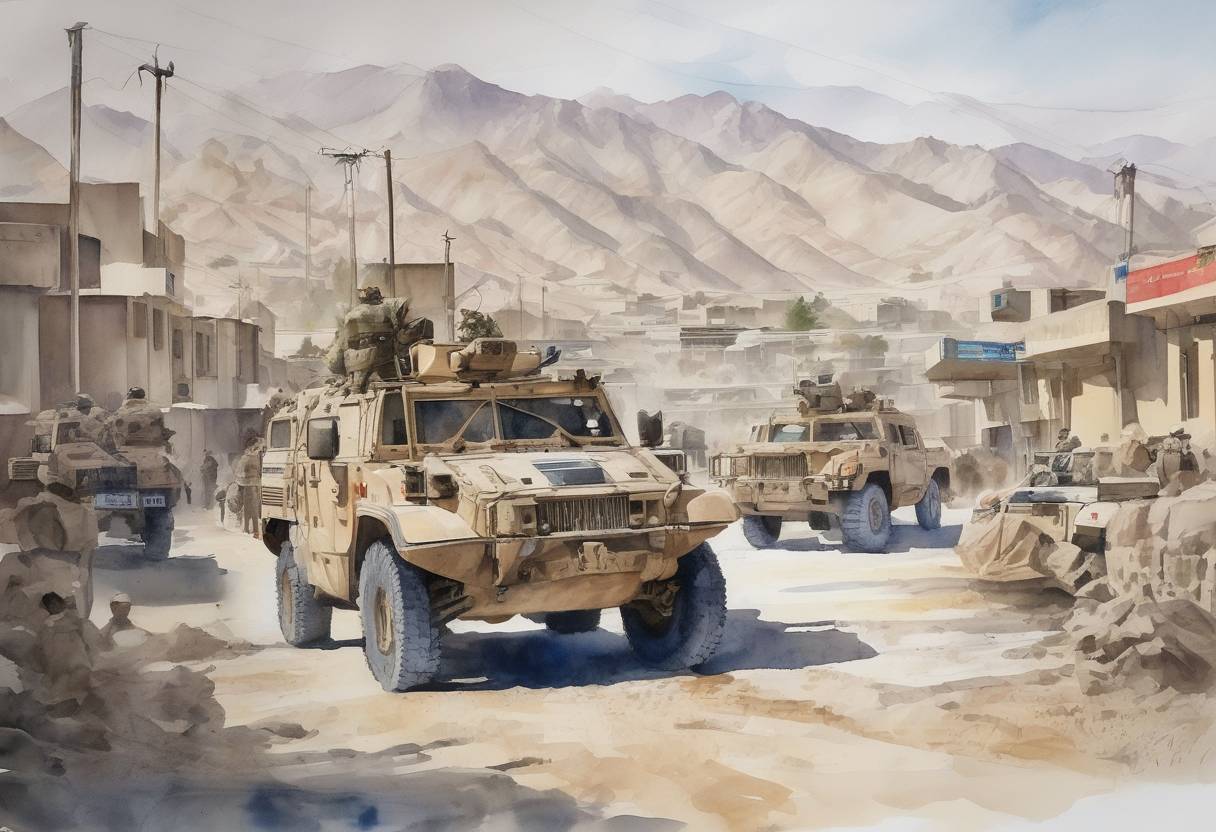
On August 30, 2021, the United States completed its military withdrawal from Afghanistan, marking the end of a 20-year military presence in the country. This withdrawal concluded the longest war in American history, initiated in response to the September 11, 2001, terrorist attacks.
Initiation of U.S. Involvement (2001): The U.S. military intervention in Afghanistan began in October 2001, shortly after the 9⁄11 attacks, with the primary objective of dismantling al-Qaeda and removing the Taliban from power for harboring Osama bin Laden and other al-Qaeda leaders.
NATO and International Support: The U.S. was supported by NATO allies and other international partners throughout its mission, which evolved over the years from combat operations to training and supporting Afghan security forces.
Shift in Strategy: Over the years, the U.S. strategy in Afghanistan shifted from direct combat to a focus on counterinsurgency and nation-building, aiming to establish a stable and democratic Afghan government.
Doha Agreement (2020): In February 2020, the U.S. and the Taliban signed the Doha Agreement, which outlined the withdrawal of U.S. troops in exchange for Taliban guarantees to prevent the use of Afghan soil by terrorist groups and to engage in peace talks with the Afghan government.
Biden Administration’s Decision (2021): President Joe Biden announced in April 2021 that U.S. forces would withdraw by September 11, 2021, later accelerating the timeline to August 31, 2021.
Taliban Offensive: As U.S. and NATO forces began their withdrawal, the Taliban launched a rapid offensive, capturing key cities and provinces, culminating in the fall of Kabul on August 15, 2021.
Evacuation Efforts: The final phase of the U.S. withdrawal involved a massive airlift operation to evacuate American citizens, Afghan allies, and vulnerable Afghans. This operation faced significant challenges, including security threats exemplified by the ISIS-K attack on August 26, 2021, which killed 13 U.S. service members and over 170 Afghan civilians.
Completion of Withdrawal: On August 30, 2021, the last U.S. military aircraft departed Hamid Karzai International Airport in Kabul, officially ending the U.S. military presence in Afghanistan.
Taliban Control: Following the U.S. withdrawal, the Taliban established control over Afghanistan, leading to significant concerns about human rights, particularly for women and minorities, and the potential resurgence of terrorist activities.
International Response: The international community faced challenges in dealing with the new Taliban regime, balancing humanitarian aid needs with diplomatic recognition and human rights advocacy.
Reflection on U.S. Policy: The withdrawal prompted widespread debate and reflection on U.S. foreign policy, military strategy, and the effectiveness of nation-building efforts.
The U.S. withdrawal from Afghanistan remains a pivotal moment in recent history, with ongoing implications for regional stability, international relations, and the global fight against terrorism.
Source: www.nytimes.com