Adoption of SOS as International Distress Signal
1908 · global, international
SOS distress signal was adopted as the worldwide standard for radio distress calls.
November 22, 1906
The International Radio Telegraphic Convention was signed in Berlin, establishing the SOS distress signal as the worldwide standard for radio communication.
Berlin, Germany | International Radiotelegraph Union
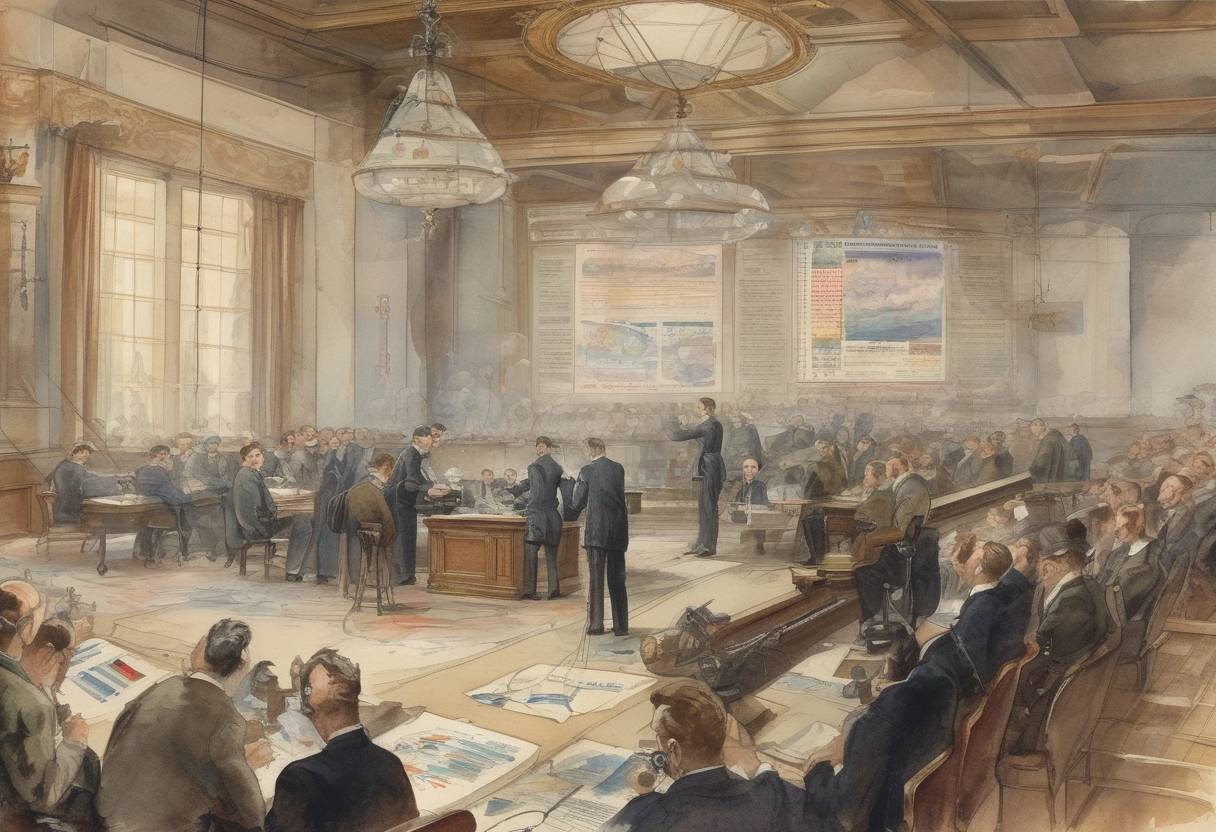
On November 22, 1906, a significant milestone in global communication was achieved with the signing of the International Radio Telegraphic Convention in Berlin, Germany. This convention was pivotal in establishing standardized protocols for radio communication across the world, most notably adopting the SOS distress signal as the universal standard.
In the early 20th century, radio technology was rapidly advancing, and maritime communication was becoming increasingly important. Ships at sea needed a reliable means of communication, especially for emergencies. Prior to the convention, there was no standardized distress signal, leading to confusion and inefficiencies in emergency situations.
Early Radio Communication: The late 19th and early 20th centuries saw significant advancements in wireless telegraphy, primarily driven by inventors like Guglielmo Marconi. However, the lack of standardization posed challenges for effective communication.
Growing Need for Standardization: As international shipping and naval operations expanded, the need for a universal communication protocol became apparent. Different countries and companies used various signals, which could lead to miscommunication during emergencies.
The Berlin Conference: Representatives from 29 countries gathered in Berlin to address the need for standardized radio communication protocols. The conference aimed to facilitate better cooperation and safety in international maritime operations.
Adoption of SOS: The convention officially adopted the SOS signal (· · · — — — · · ·) as the international standard for distress calls. The choice of SOS was due to its simplicity and ease of recognition in Morse code, making it less prone to errors.
Global Implementation: Following the convention, the SOS signal was widely adopted by ships and maritime operators worldwide. It became a crucial tool for ensuring safety at sea, saving countless lives in distress situations.
Legacy: The 1906 convention laid the groundwork for future international agreements on communication standards. It marked a significant step towards global cooperation in technological advancements and safety protocols.
Impact on Modern Communication: The principles established in the convention influenced later developments in international communication standards, including those for aviation and digital communication.
In conclusion, the International Radio Telegraphic Convention of 1906 was a landmark event that not only standardized maritime communication but also set a precedent for international collaboration in technological regulation. The adoption of the SOS signal remains one of its most enduring legacies, symbolizing the importance of clear and effective communication in ensuring safety and cooperation across the globe.
Source: en.wikipedia.org