December 31, 2019

The World Health Organization was alerted to several cases of pneumonia in Wuhan, China, which would later be identified as COVID-19, marking the beginning of the global pandemic.


Wuhan, China | World Health Organization
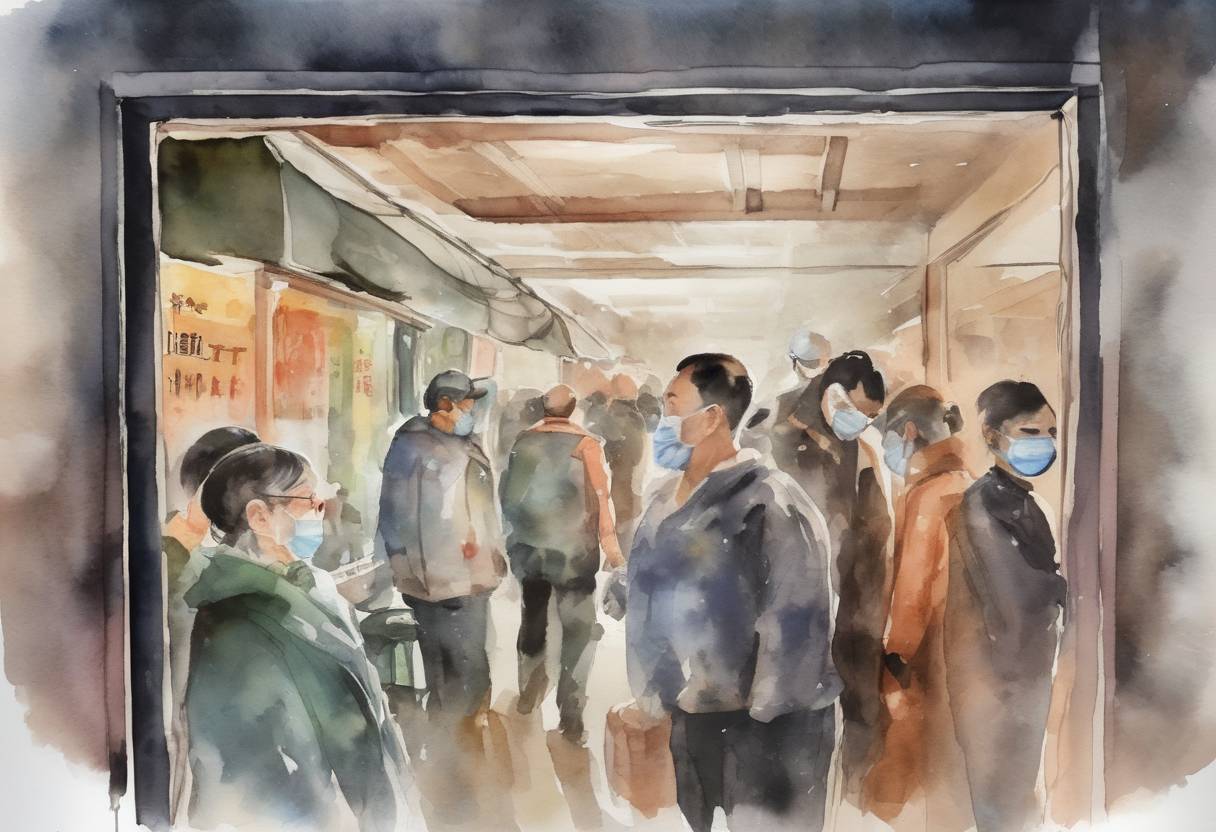
Watercolor painting based depiction of The World Health Organization was alerted to several cases of pneumonia in Wuhan, China, which would later be identified as COVID-19, marking the beginning of the global pandemic. (2019)

December 31, 2019: WHO Alerted to Pneumonia Cases in Wuhan

On December 31, 2019, the World Health Organization (WHO) was officially informed of several cases of pneumonia of unknown etiology in Wuhan, a major city in China’s Hubei province. This notification marked the initial recognition of what would soon escalate into the global COVID-19 pandemic.

Context and Initial Reports

  • Location: Wuhan, China, a city with a population of over 11 million, known for its role as a major transportation hub.
  • Initial Cases: The cases were linked to the Huanan Seafood Wholesale Market, which sold live animals and seafood, suggesting a possible zoonotic origin.
  • Symptoms: Patients exhibited symptoms typical of pneumonia, such as fever, cough, and difficulty breathing.

WHO’s Initial Response

  • Notification: The WHO’s Country Office in China was alerted to the situation by the Wuhan Municipal Health Commission.
  • Action: The WHO began monitoring the situation closely and requested further information from Chinese health authorities to assess the potential risk.

Key Developments Leading Up to the Alert

  • December 2019: Local hospitals in Wuhan began reporting an unusual cluster of pneumonia cases.
  • December 30, 2019: Dr. Li Wenliang, an ophthalmologist in Wuhan, shared concerns about a potential outbreak of a SARS-like virus, which led to initial warnings among medical professionals.

Subsequent Developments

  • Identification of the Virus: In early January 2020, Chinese scientists identified the virus as a novel coronavirus, later named SARS-CoV-2.
  • Global Spread: The virus rapidly spread beyond Wuhan, leading to widespread international transmission and the declaration of a pandemic by the WHO on March 11, 2020.
  • Impact: The COVID-19 pandemic has had profound global impacts, affecting public health, economies, and daily life worldwide.

Broader Historical Significance

The alert on December 31, 2019, marked the beginning of a critical period in modern history. The COVID-19 pandemic has prompted unprecedented global cooperation and challenges in public health, scientific research, and international relations. It has also highlighted the importance of timely information sharing and preparedness in managing global health crises.

This event underscores the interconnectedness of the world and the necessity for robust international health systems to prevent and respond to pandemics effectively.

Source: www.who.int