Independence of Zambia: October 24, 1964
1964 · Lusaka, Zambia
Northern Rhodesia gains independence from the United Kingdom and becomes the Republic of Zambia.
October 9, 1962
Uganda gained independence from the United Kingdom, becoming a sovereign nation.
Kampala, Uganda | British Empire
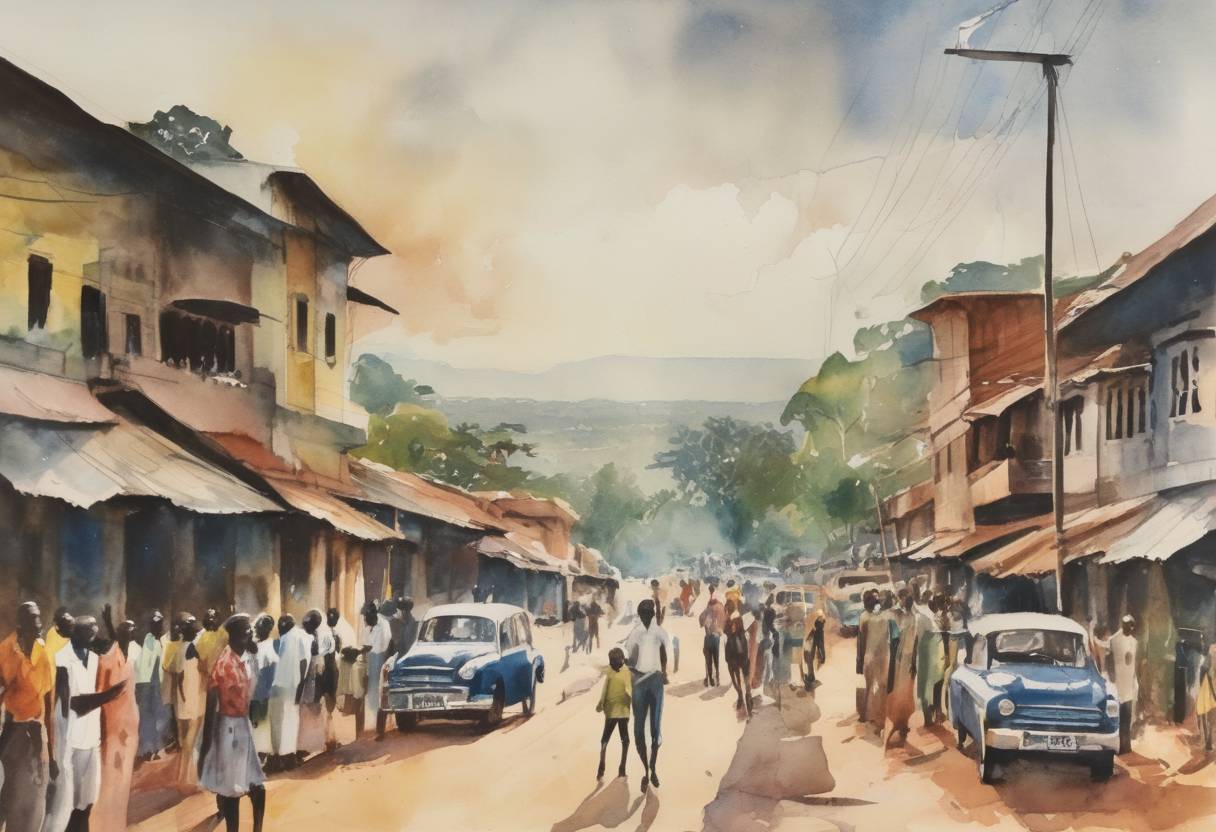
On October 9, 1962, Uganda officially gained independence from the United Kingdom, marking a significant milestone in the country’s history. This event was the culmination of a series of political developments and negotiations that had been taking place over the preceding years.
Uganda, located in East Africa, was a British protectorate from 1894 until its independence in 1962. The region was initially controlled by various kingdoms and chiefdoms, with the Buganda Kingdom being one of the most prominent. British colonial rule was characterized by indirect governance, where local leaders were used to administer colonial policies.
Post-World War II Era: The end of World War II saw a wave of decolonization across Africa, driven by both internal pressures and changing attitudes in Europe. In Uganda, nationalist movements began to gain momentum, advocating for self-governance and independence.
Political Developments: The 1950s were marked by significant political activity in Uganda. The formation of political parties, such as the Uganda National Congress (UNC) and the Democratic Party (DP), played a crucial role in mobilizing the population and negotiating with the British government.
Constitutional Changes: A series of constitutional reforms in the late 1950s and early 1960s gradually increased African representation in the legislative council. The 1961 elections were a pivotal moment, leading to the formation of a coalition government.
On October 9, 1962, Uganda was declared an independent nation. The transition was relatively peaceful compared to other African nations, largely due to the negotiations and preparations that preceded the event. Milton Obote, leader of the Uganda People’s Congress (UPC), became the first Prime Minister, while Sir Edward Muteesa II, the Kabaka (King) of Buganda, was appointed the ceremonial President.
Political Landscape: Independence marked the beginning of a new political era in Uganda. However, the country soon faced challenges, including ethnic divisions and political instability, which would later lead to conflicts and changes in leadership.
Economic and Social Changes: Independence allowed Uganda to pursue its own economic and social policies. Efforts were made to improve infrastructure, education, and healthcare, although progress was often hindered by political turmoil.
Legacy: Uganda’s independence is celebrated annually on October 9 as Independence Day, a national holiday that commemorates the country’s freedom and sovereignty.
In conclusion, Uganda’s independence was a pivotal moment in its history, setting the stage for the nation’s future development and challenges. The event is remembered as a significant achievement in the broader context of African decolonization.
Source: en.wikipedia.org