Kuwait Government Resignation - November 3, 2022
2022 · Kuwait City, Kuwait
The government of Kuwait resigned amid political tensions between the executive and legislative branches, contributing to ongoing political instability in the country.
May 16, 2005
Kuwait grants women the right to vote and run for office in parliamentary elections.
Kuwait City, Kuwait | Kuwait National Assembly
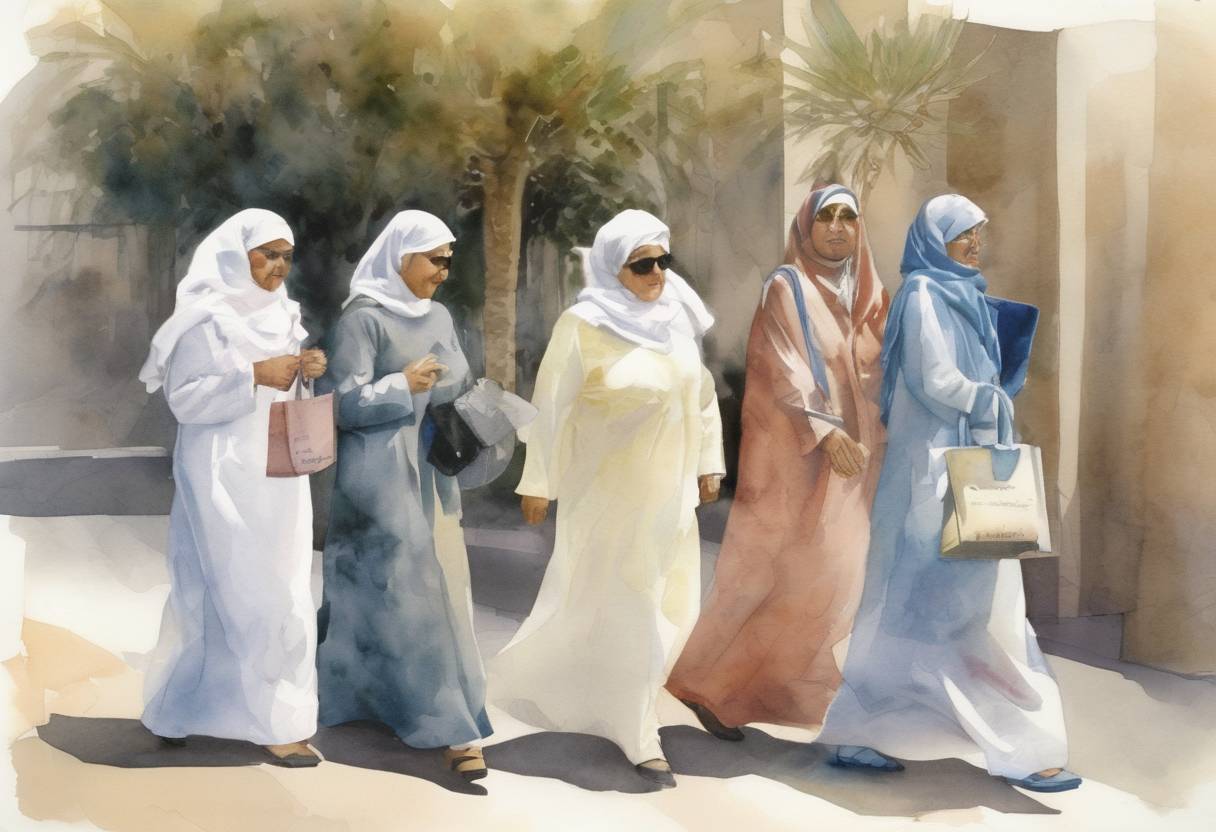
On May 16, 2005, Kuwait made a significant stride towards gender equality by granting women the right to vote and run for office in parliamentary elections. This landmark decision marked a pivotal moment in the nation’s history and was the culmination of years of activism and advocacy by women’s rights groups in Kuwait.
Kuwait, a small but wealthy Gulf nation, had long been a patriarchal society where political rights were traditionally reserved for men. Despite being one of the more progressive countries in the region in terms of education and economic participation for women, political rights had remained elusive.
The movement for women’s suffrage in Kuwait gained momentum in the late 20th century. Activists and women’s groups tirelessly campaigned for equal political rights, facing both societal and political resistance. The issue was debated multiple times in the Kuwaiti parliament, but previous attempts to pass legislation granting these rights had failed.
On May 16, 2005, the Kuwaiti National Assembly voted to amend the electoral law, allowing women to vote and stand for election. The amendment passed with a majority of 35 votes in favor, 23 against, and one abstention. This decision was a significant victory for women’s rights advocates and was seen as a progressive step in aligning Kuwait with international human rights standards.
The amendment stipulated that women could participate in elections starting from the 2006 parliamentary elections. It also required that women adhere to Islamic law, which was a compromise to appease conservative factions within the parliament.
The granting of suffrage to women in Kuwait was celebrated both domestically and internationally as a triumph for democracy and gender equality. It paved the way for women to participate more fully in the political process and to influence legislation and policy-making in the country.
In the 2006 elections, women participated as voters and candidates for the first time. Although no women were elected to parliament in that election, the participation of women in the political sphere continued to grow. In 2009, four women were elected to the Kuwaiti parliament, marking another historic milestone.
The decision to grant women the right to vote and run for office in Kuwait is seen as a crucial step in the broader movement for women’s rights in the Middle East. It highlighted the potential for change in the region and inspired similar movements in neighboring countries.
The events of May 16, 2005, remain a testament to the power of persistent advocacy and the importance of inclusive governance. By extending political rights to women, Kuwait not only advanced its democratic processes but also set a precedent for other nations in the region to follow.
Source: www.bbc.com