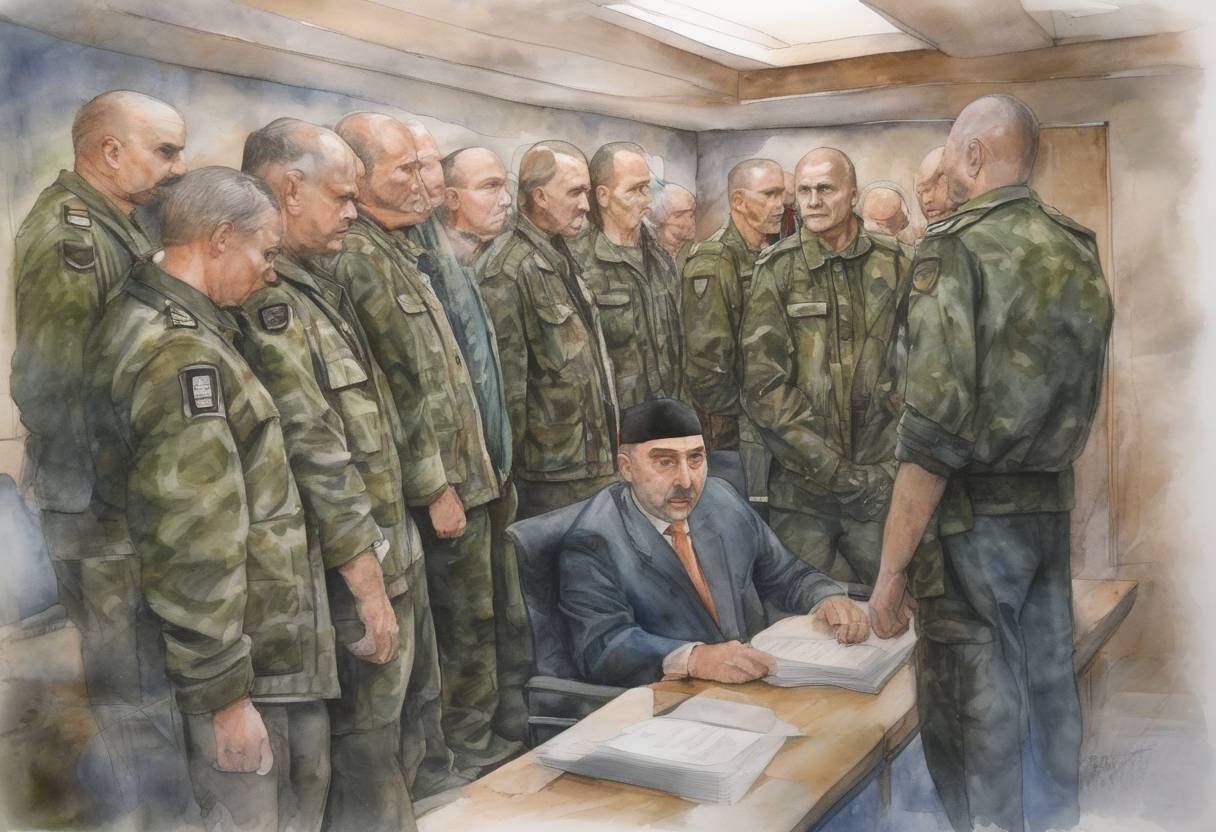
Conviction of Radislav Krstić for Genocide
On February 21, 2001, the United Nations International Criminal Tribunal for the former Yugoslavia (ICTY) in The Hague delivered a landmark verdict by convicting Bosnian Serb General Radislav Krstić of genocide. This conviction was significant as it marked the first time an individual was found guilty of genocide by the tribunal.
Background
The conviction stemmed from Krstić’s role in the 1995 Srebrenica massacre, one of the most heinous atrocities committed during the Bosnian War (1992-1995). Srebrenica, a town in eastern Bosnia, had been declared a “safe area” by the United Nations. However, in July 1995, Bosnian Serb forces overran the enclave, leading to the systematic execution of more than 8,000 Bosniak men and boys. This massacre is considered the worst act of mass murder in Europe since World War II.
The Trial
Radislav Krstić, who was the Deputy Commander and later the Commander of the Drina Corps of the Bosnian Serb Army, was charged with genocide, crimes against humanity, and violations of the laws or customs of war. The prosecution argued that Krstić played a crucial role in the planning and execution of the Srebrenica massacre.
During the trial, the tribunal examined extensive evidence, including testimonies from survivors, military documents, and forensic reports. The prosecution demonstrated that Krstić had command responsibility and was instrumental in the orchestration of the mass killings.
The Verdict
The ICTY found Krstić guilty of genocide, marking a historic moment in international law. The tribunal concluded that the intent to destroy a part of the Bosniak population in Srebrenica was evident and that Krstić had contributed significantly to this genocidal campaign. He was sentenced to 46 years in prison, although this was later reduced to 35 years on appeal.
Significance
The conviction of Radislav Krstić was a pivotal moment in the pursuit of justice for the victims of the Srebrenica massacre. It underscored the international community’s commitment to holding individuals accountable for crimes of genocide and set a precedent for future prosecutions of similar atrocities.
The trial and conviction also highlighted the importance of international tribunals in addressing war crimes and contributed to the development of international criminal law. It reinforced the principle that military leaders could be held responsible for the actions of their subordinates and the atrocities committed under their command.
Aftermath
The Krstić verdict was part of a broader effort by the ICTY to address the crimes committed during the Yugoslav Wars. The tribunal’s work has been instrumental in documenting the events of the conflict and providing a measure of justice for the victims. The Srebrenica massacre remains a poignant reminder of the horrors of ethnic cleansing and the necessity of vigilance in preventing such atrocities in the future.