François Mitterrand's Re-election as President of France on May 8, 1988
1988 · Paris, France
François Mitterrand was re-elected as President of France.
September 18, 1981
The French National Assembly votes to abolish capital punishment.
Paris, France | French National Assembly
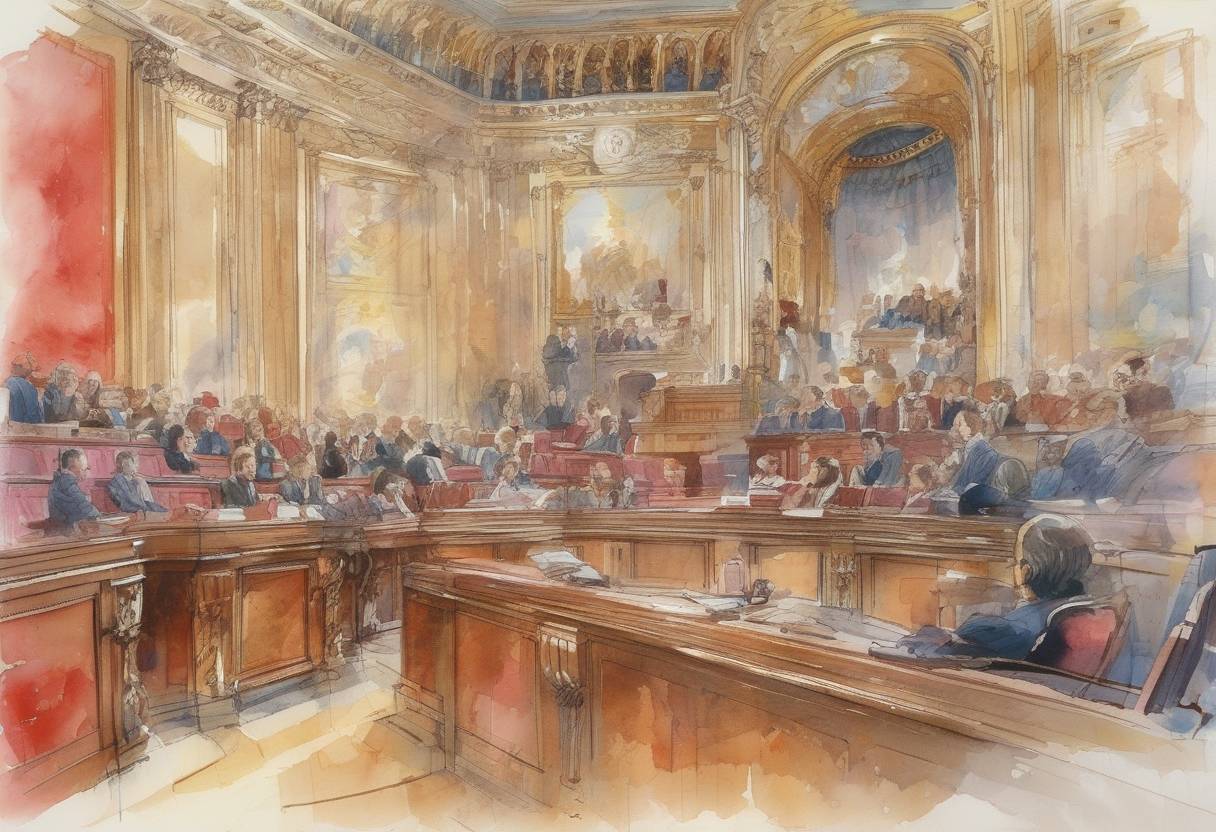
On September 18, 1981, the French National Assembly voted to abolish capital punishment, marking a significant moment in the country’s legal and human rights history. This decision was a culmination of years of debate and shifting public opinion regarding the death penalty in France.
Historical Use of Capital Punishment: France had a long history of using the death penalty, with the guillotine being the symbol of capital punishment since the French Revolution. However, by the late 20th century, the use of the death penalty had become increasingly controversial.
Political Climate: The election of François Mitterrand as President of France in May 1981 was pivotal. Mitterrand, a member of the Socialist Party, had campaigned on a platform that included the abolition of the death penalty, reflecting a broader shift towards more progressive policies in France.
Public Opinion: While there was still significant public support for the death penalty, especially for heinous crimes, there was also a growing movement against it, driven by human rights organizations and intellectuals who argued that it was inhumane and ineffective as a deterrent.
Minister of Justice Robert Badinter: A crucial figure in the abolition was Robert Badinter, the Minister of Justice under Mitterrand. Badinter was a staunch opponent of the death penalty, having defended several individuals sentenced to death. He played a key role in drafting the legislation to abolish it.
Parliamentary Debate: The debate in the National Assembly was intense, with strong arguments presented both for and against abolition. Proponents argued on moral and ethical grounds, emphasizing human rights and the risk of judicial errors, while opponents cited concerns about crime and justice for victims.
The Vote: On September 18, 1981, the National Assembly voted in favor of abolishing the death penalty. The legislation passed with a significant majority, reflecting the influence of the new government and changing attitudes towards capital punishment.
Legal Implementation: The law officially came into effect on October 9, 1981, making France the 35th country to abolish the death penalty. This move aligned France with a growing international trend towards abolition.
Broader Impact: The abolition of the death penalty in France had a significant impact both domestically and internationally. It reinforced France’s commitment to human rights and influenced other countries to reconsider their stance on capital punishment.
The abolition of the death penalty in France was a landmark decision that underscored the country’s shift towards more progressive and humanitarian policies. It highlighted the role of political leadership and public advocacy in effecting legal and social change. This decision remains a pivotal moment in France’s legal history, symbolizing a commitment to human rights and the protection of life.
Source: en.wikipedia.org