Jeremy Corbyn Elected Leader of the Labour Party - September 13, 2015
2015 · London, United Kingdom
Jeremy Corbyn was elected leader of the Labour Party in the United Kingdom, marking a significant shift to the left in the party's policies.
September 14, 2015
Jeremy Corbyn was elected as the leader of the Labour Party in the United Kingdom.
London, United Kingdom | Labour Party
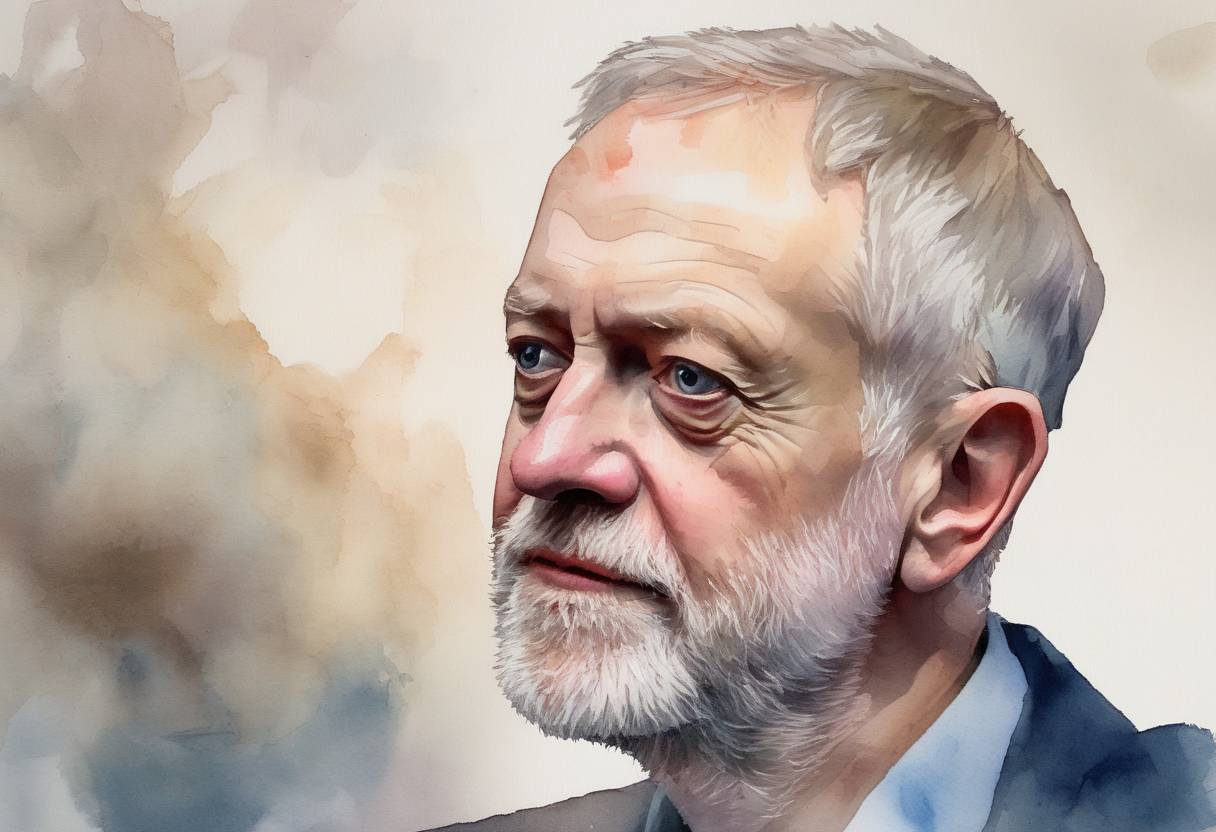
On September 12, 2015, Jeremy Corbyn was elected as the leader of the Labour Party in the United Kingdom, marking a significant shift in the party’s direction. Corbyn, a long-serving Member of Parliament for Islington North since 1983, was known for his left-wing stance and advocacy for socialist policies, which contrasted sharply with the centrist positions that had dominated the party since the 1990s.
The leadership election followed the Labour Party’s defeat in the May 2015 general election, where Ed Miliband resigned as leader after the party lost to the Conservative Party led by David Cameron. The defeat prompted a period of introspection within Labour, with debates about the party’s future direction and policies.
Corbyn’s candidacy was initially considered a long shot. However, his campaign gained momentum due to his appeal to grassroots members and supporters who were disillusioned with the party’s previous centrist policies. His platform focused on anti-austerity measures, public ownership of key industries, and a more pacifist foreign policy.
The leadership election was conducted using a one-member-one-vote system, which allowed all party members, registered supporters, and affiliated supporters to vote. Corbyn’s campaign successfully mobilized a large number of new members and supporters, significantly boosting his chances.
On September 12, 2015, Corbyn won the leadership election with a decisive 59.5% of the first-preference votes, defeating other candidates including Andy Burnham, Yvette Cooper, and Liz Kendall. His victory was seen as a dramatic shift towards the left for the Labour Party.
Corbyn’s election as leader had a profound impact on British politics. It energized a new wave of political activism within the Labour Party and attracted a younger demographic. However, his leadership was also marked by internal party divisions, with some members of the parliamentary party expressing concerns about his electability and policy positions.
Corbyn led the Labour Party through the 2017 and 2019 general elections. In 2017, the party performed better than expected, gaining seats and increasing its share of the vote, though it did not win a majority. The 2019 election, however, resulted in a significant defeat for Labour, leading to Corbyn announcing his intention to step down as leader.
Corbyn’s tenure as leader remains a subject of debate, with supporters praising his commitment to socialist principles and critics pointing to electoral challenges and internal party conflicts. His leadership highlighted the ideological divides within the Labour Party and influenced the broader discourse on the future of left-wing politics in the UK.
Overall, Jeremy Corbyn’s election as Labour leader was a pivotal moment in the party’s history, reflecting broader trends and tensions within British politics during the mid-2010s.
Source: www.bbc.com