Barack Obama's Inauguration as the 44th President of the United States
2009 · Washington, D.C., United States
Barack Obama was inaugurated as the 44th President of the United States, becoming the first African American to hold the office.
November 24, 2008
Press Secretary designate Robert Gibbs announced by U.S. President-elect Barack Obama.
Chicago, United States | U.S. Government
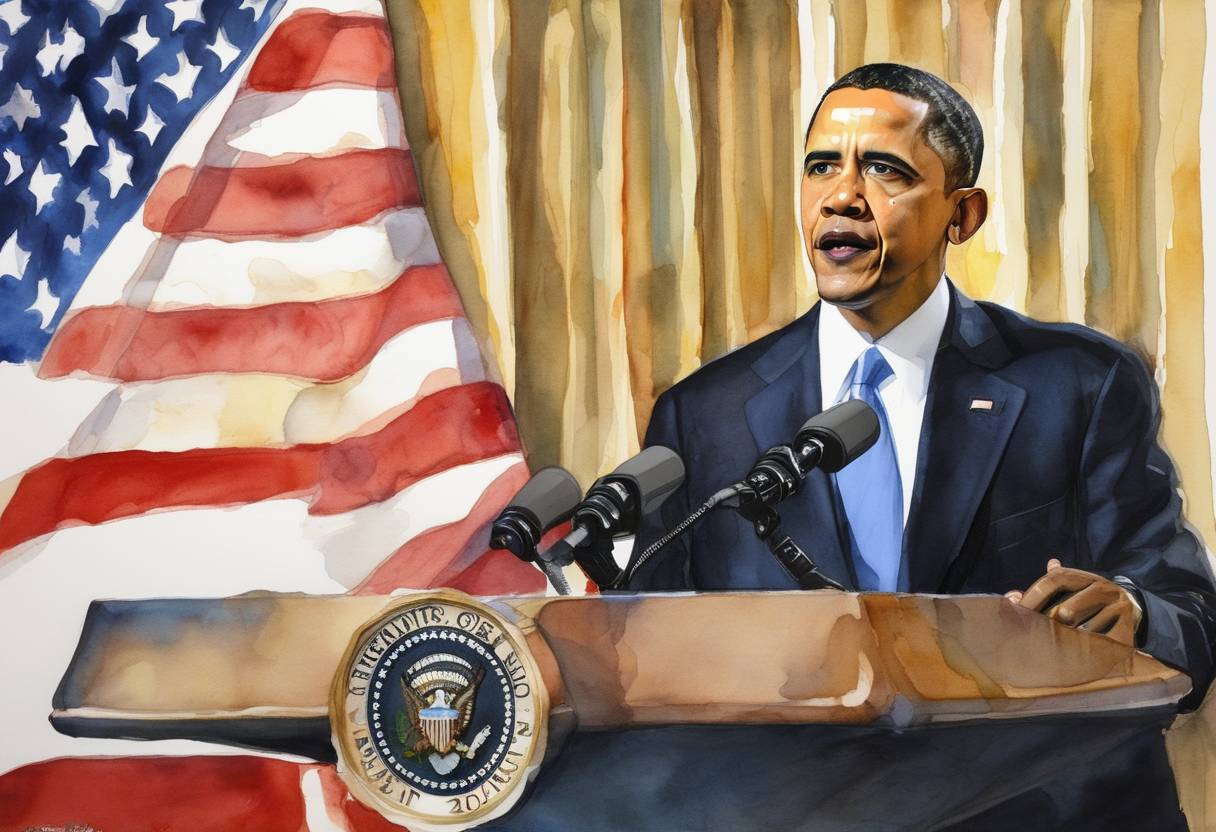
On November 24, 2008, U.S. President-elect Barack Obama officially announced Robert Gibbs as his choice for White House Press Secretary. This appointment was part of the Obama administration’s broader efforts to assemble a seasoned team to support his forthcoming presidency.
Robert Gibbs had been a senior advisor and communications director in Obama’s 2008 presidential campaign. His relationship with Obama dates back to 2004, during which he served as the communications director for Obama’s successful U.S. Senate campaign. Known for his strategic communication skills and close working relationship with Obama, Gibbs played a crucial role in shaping the public image of the Obama campaign and managing media relations.
The White House Press Secretary is responsible for briefing the press and public on the president’s activities and policies. They act as a key spokesperson for the administration, helping to articulate and communicate policy decisions effectively. Given the heightened media scrutiny during Obama’s presidency, Gibbs’ experience and rapport with journalists were seen as vital assets.
Gibbs’ designation was seen as an indication of the emphasis the Obama administration placed on maintaining a transparent and proactive dialogue with the media. His appointment highlighted the administration’s commitment to effectively conveying its message and engaging constructively with the press.
During his tenure as Press Secretary, Robert Gibbs became known for his direct and sometimes humorous engagement with the press. He served in the role until February 2011, where he was succeeded by Jay Carney. Gibbs’ tenure was marked by significant events, including the passage of major legislative acts such as the Affordable Care Act, and managing communications during the global financial crisis. His leadership in the role was a notable part of the administration’s early communication efforts.
Source: www.nytimes.com