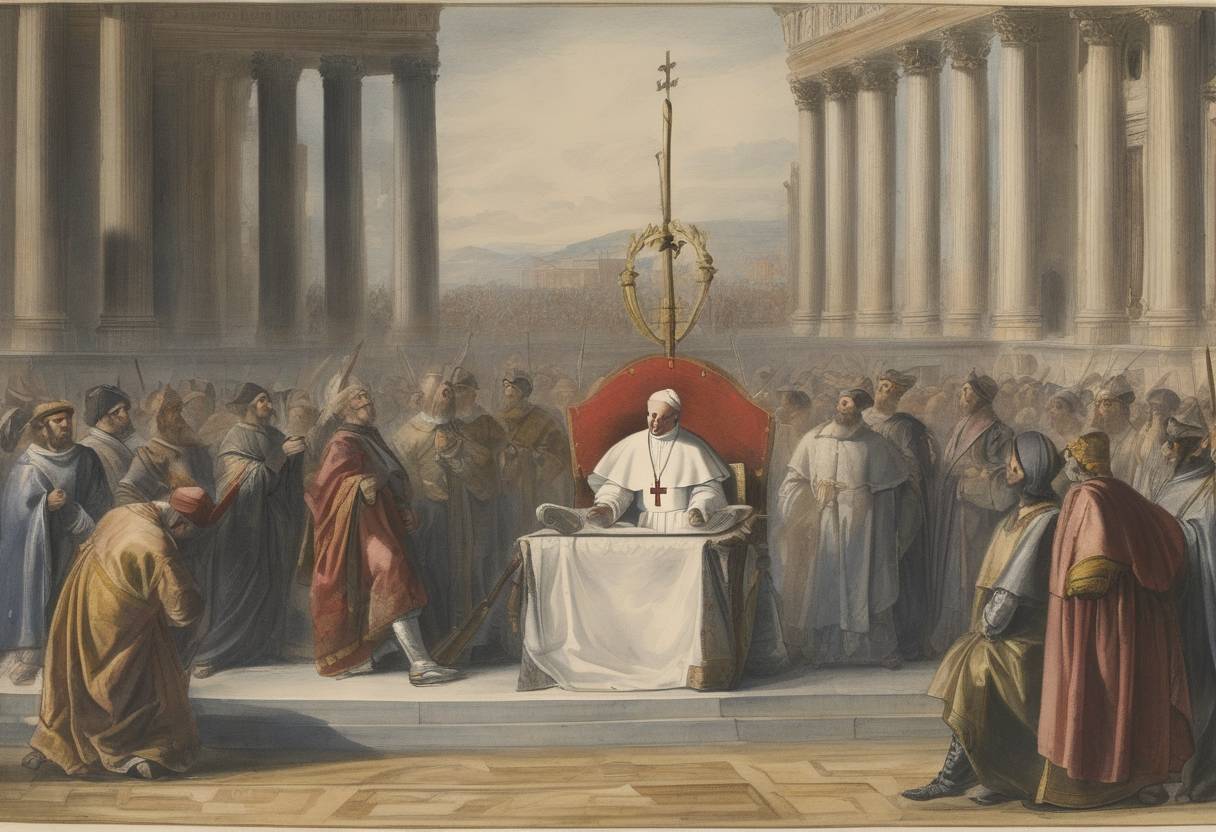
Papal Bull ‘Sollicitudo omnium ecclesiarum’ - March 6, 1658
On March 6, 1658, Pope Alexander VII issued the papal bull Sollicitudo omnium ecclesiarum, formally condemning the teachings of the Jansenists, a movement within the Catholic Church.
Context
Jansenism was a theological movement primarily in France, which originated from the work of Cornelius Jansen, a Dutch theologian. It emphasized original sin, human depravity, the necessity of divine grace, and predestination. The movement was perceived as controversial and conflicting with the official teachings of the Catholic Church, especially in its interpretation of free will and grace.
Key Events Leading Up to the Bull
- Theological Debate: The contentious theological positions of Jansenism were seen as opposing the doctrines established by the Council of Trent (1545–1563), which had clarified Catholic teachings in response to the Protestant Reformation.
- Papal Opposition: Prior to Alexander VII, Pope Innocent X had already condemned five propositions extracted from Jansen’s posthumously published work, Augustinus, in 1653 through the bull Cum occasione.
Content and Significance
- Condemnation: Sollicitudo omnium ecclesiarum reaffirms the Church’s disapproval of Jansenist doctrines. Alexander VII went further than his predecessors by addressing the continuing adherence to these views and the challenges they posed to Church unity.
- Enforcement of Conformity: The bull strongly called for adherence to orthodox teachings and demanded the signing of a formula repudiating the five propositions found within Jansenism by all clergy and teachers.
- Impact on Religious and Intellectual Circles: This step strengthened the position of the Catholic Church against religious movements and set the tone for increased scrutiny and regulation of theological doctrines.
Aftermath
- Continued Conflict: Despite the papal bull, Jansenism did not disappear overnight. The movement persisted, notably within certain monastic communities and parishes in France.
- Further Actions: Subsequent popes and the Church hierarchy continued to take measures against Jansenism, culminating in the 1713 Unigenitus bull by Pope Clement XI, which marked a decisive end to the open dissent of Jansenist teachings within the Catholic Church.
The issuance of Sollicitudo omnium ecclesiarum is an example of the Catholic Church’s efforts during the 17th century to maintain doctrinal consistency and authority in the face of internal theological challenges.