Renaming of Longacre Square to Times Square
1904 · New York City, United States
Longacre Square in Manhattan was renamed Times Square after The New York Times moved its headquarters there.
January 3, 1899
The first known use of the word 'automobile' appeared in an editorial in The New York Times.
New York City, United States | The New York Times
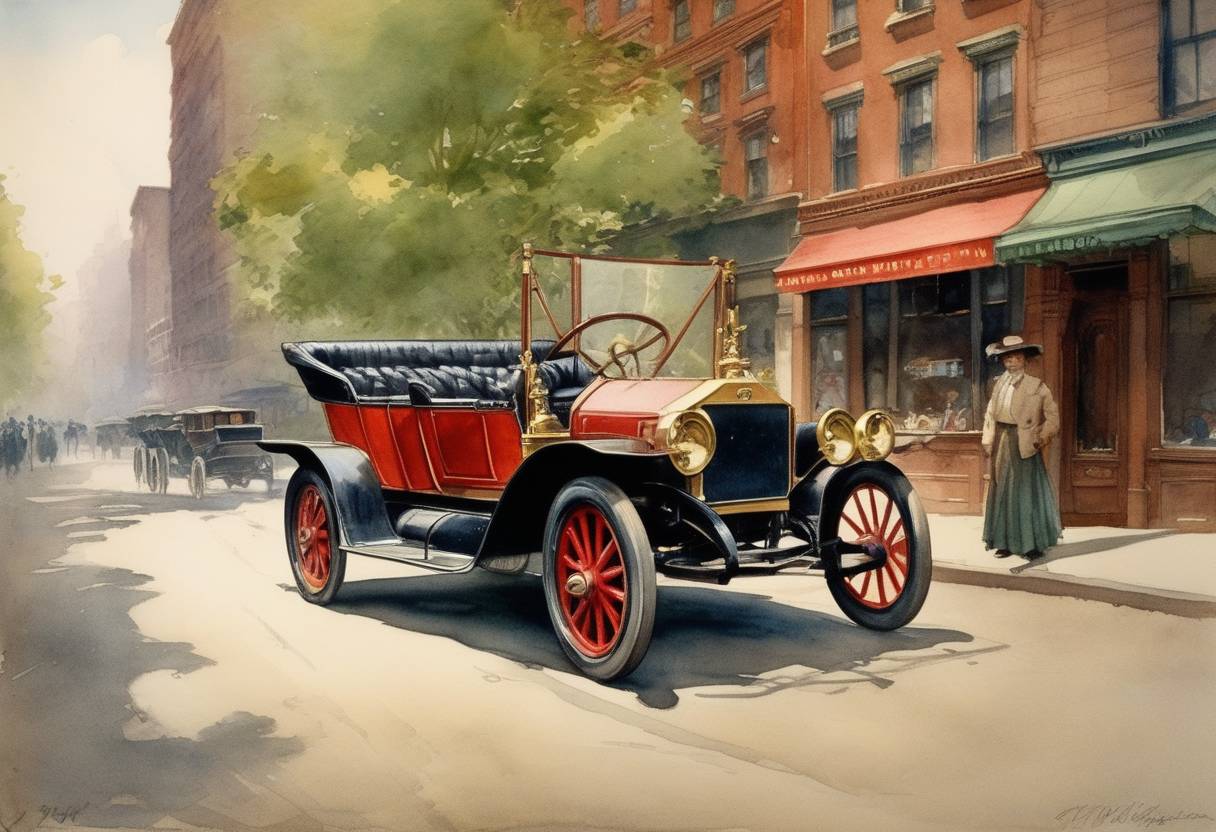
On January 3, 1899, the word ‘automobile’ made its first known appearance in an editorial published by The New York Times. This moment marked a significant shift in the lexicon as the burgeoning automotive industry began to take shape.
During the late 19th century, the transportation landscape was evolving beyond horse-drawn carriages and steam-powered vehicles. The concept of a self-propelled vehicle powered by internal combustion was gaining traction among inventors and entrepreneurs. The terminology used to describe these vehicles needed to evolve as well.
The adoption of ‘automobile’ signified an important linguistic transition. This term, derived from the Ancient Greek word ‘autos’ (meaning self) and the Latin word ‘mobilis’ (meaning movable), was more precise in describing vehicles that moved independently without the need for horses or other external propulsion methods. By using ‘automobile,’ The New York Times contributed to standardizing a term that quickly became foundational in the language of motor vehicles.
The introduction and popularization of the term ‘automobile’ reflected the rapid technological and social changes of the era. It underscored the growing importance of motor vehicles in everyday life and paved the way for the automotive industry’s future. The consistent use of a standardized term helped in forming an industry identity and in setting the stage for the innovations that would follow in the 20th century.
As automobiles became more prevalent, they revolutionized transportation, urban planning, and industry sectors worldwide. The linguistic adoption symbolized the beginning of a new era, paving the way for fundamental changes in personal freedom and mobility, along with significant economic impacts through areas such as manufacturing and employment.
The usage of ‘automobile’ not only contributed to shaping the automotive sector but also signified a cultural shift towards embracing technology-driven solutions, setting the foundation for modern transportation infrastructure.
Source: www.nytimes.com