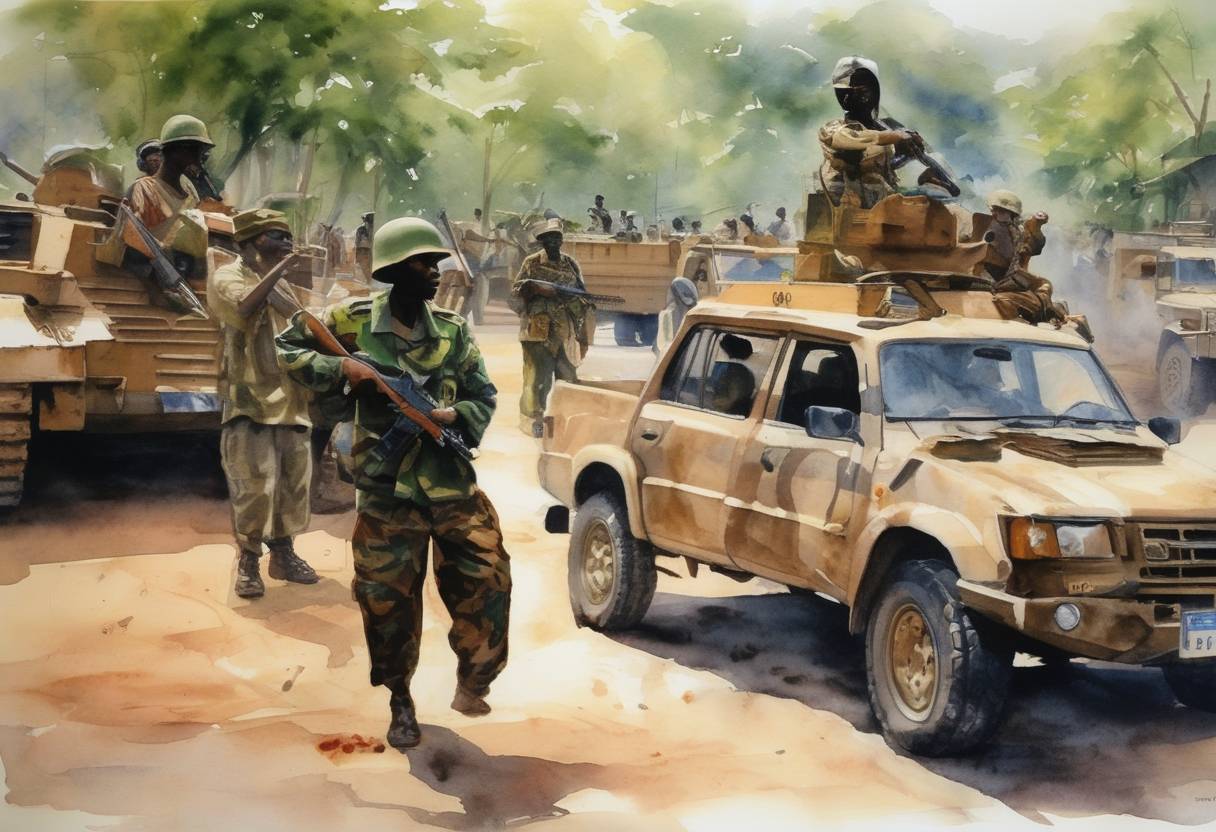
Attempted Coup in the Central African Republic - April 22, 2001
On April 22, 2001, the Central African Republic (CAR) witnessed an attempted coup d’état, marking yet another episode of political instability in the nation. The attempt was orchestrated by insurgents who briefly succeeded in capturing the capital city, Bangui.
Background
The political climate in the Central African Republic had been volatile for years leading up to this event. The administration of President Ange-Félix Patassé, who had been in power since 1993, was marred by corruption allegations, economic mismanagement, and widespread discontent among different military factions and ethnic groups. These conditions created fertile ground for dissidence and power struggles.
The Coup Attempt
On the morning of April 22, armed insurgents launched their attack on Bangui, effectively taking control of several key government buildings, including the state radio station and the presidential palace. The capital was thrown into chaos as loyalist forces scrambled to regain control. The coup plotters were initially composed of disgruntled soldiers within the Central African Armed Forces, reportedly led by General André Kolingba, a former military ruler who had been ousted in the early 1990s.
Loyalist Response and Defeat of Insurgents
President Patassé’s loyalist forces, however, mounted a swift counterattack. The defense of Bangui was bolstered by the presence of regional alliances and foreign military aid. Notably, troops from Libya and commandos from Angola, invited by Patassé in compliance with regional defense pacts, played a crucial role in quelling the insurgents. By the evening of April 22, the coup attempt had largely been defeated, with government forces regaining control of strategic sites and restoring a semblance of order to the capital.
Aftermath
The failed coup attempt had significant repercussions. Hundreds of people were killed during clashes, and many others were injured or displaced, adding to the humanitarian challenges in the region. Politically, President Patassé’s position was weakened despite his survival. The event underscored the fragile security situation in CAR and highlighted the deep-seated divisions within the military and broader society.
In response, the government intensified efforts to stabilize the military and sought to strengthen its control over the country. However, persistent political turmoil and recurring coup attempts in subsequent years continued to destabilize the Central African Republic, underscoring the nation’s long-standing challenges in achieving lasting peace and stability.