The First Arrest for Drunk Driving: George Smith, September 10, 1897
1897 · London, United Kingdom
A London taxi driver named George Smith became the first person ever arrested for drunk driving after slamming his cab into a building.
April 5, 1895
Oscar Wilde, the famous Irish playwright and poet, was arrested in London for 'gross indecency' because of his homosexuality, which was a criminal offense at the time.
London, United Kingdom | Metropolitan Police Service
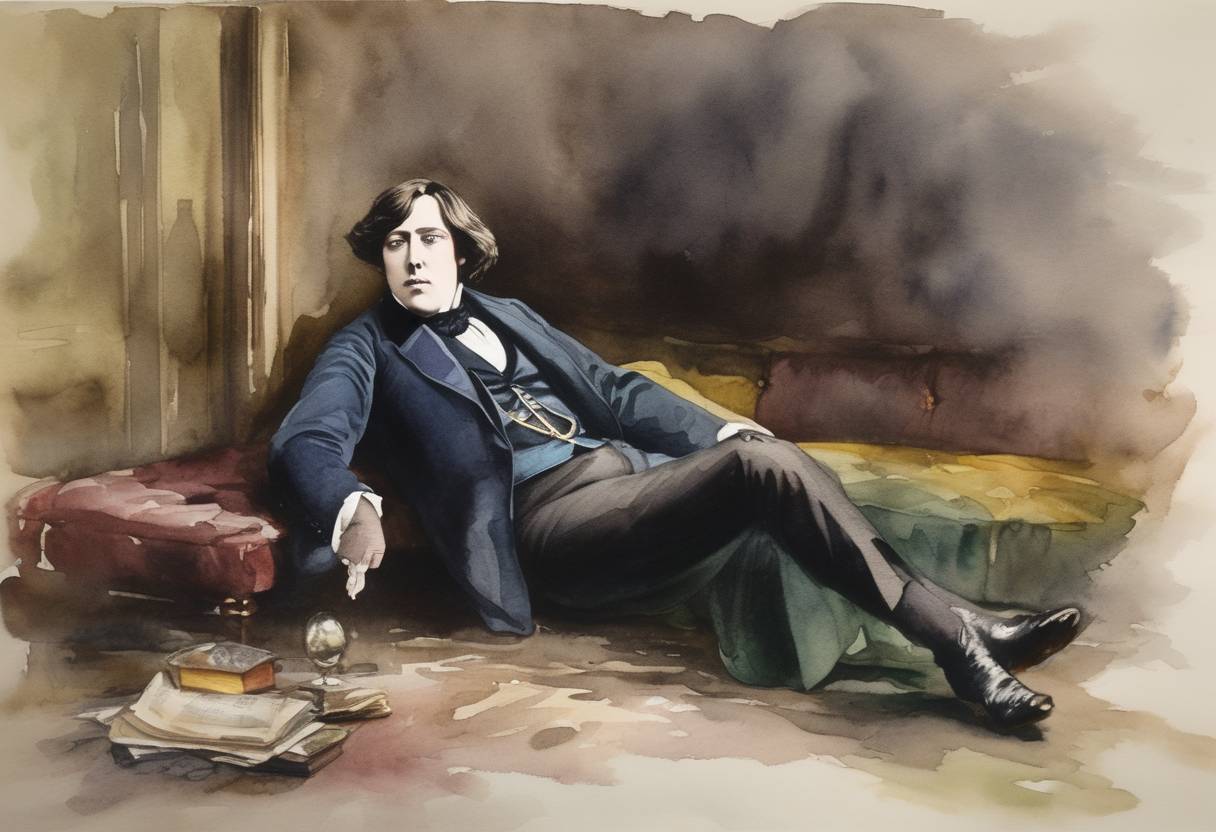
On April 5, 1895, Oscar Wilde, the renowned Irish playwright, poet, and author, was arrested in London on charges of “gross indecency.” This arrest was a result of his homosexual relationships, which were criminalized under British law during the late Victorian era.
In 19th century Britain, homosexual acts between men were illegal under the Labouchere Amendment of the Criminal Law Amendment Act 1885. This law broadly categorized acts of male homosexual intercourse as “gross indecency,” leading to severe legal repercussions and social stigma for those involved.
Oscar Wilde’s arrest was precipitated by a feud with John Douglas, the Marquess of Queensberry. Queensberry, who was the father of Lord Alfred Douglas (Wilde’s close companion), publicly accused Wilde of engaging in homosexual activities. In response to these accusations, Wilde sued Queensberry for libel. The trial, which began in March 1895, disastrously backfired when Queensberry’s legal team presented evidence of Wilde’s relationships with other men.
After Wilde’s libel case collapsed, a warrant for his arrest was issued on April 5, 1895. He was taken into custody at the Cadogan Hotel in London. The trial for gross indecency commenced shortly thereafter, resulting in Wilde’s conviction. He was sentenced to two years of hard labor, a harsh penalty that reflected the societal views of homosexuality at the time.
Wilde’s arrest and conviction attracted significant public attention and highlighted the severe legal and social penalties for homosexual conduct in the period. The trials and subsequent imprisonment had a profound impact on Wilde’s personal and professional life. His health deteriorated significantly in prison, and his reputation was irreparably damaged. After his release in 1897, Wilde spent his remaining years in self-imposed exile in France, dying in 1900 at the age of 46.
Wilde’s trials and his literary works, which include classics like “The Picture of Dorian Gray” and “The Importance of Being Earnest,” later contributed to discussions about the rights of LGBTQ+ individuals and the societal notions of morality, art, and repression.
The arrest and conviction of Oscar Wilde became emblematic of the oppressive legal and cultural attitudes towards homosexuality in the 19th and early 20th centuries. It served as a somber reminder of the consequences faced by those who defied social norms and provided a catalyst for future legal reforms and advocacy for LGBTQ+ rights, influencing cultural and literary discourse well into the 20th and 21st centuries.
Source: www.history.com