Pulwama Attack: February 14, 2019
2019 · Pulwama, India
A suicide bombing in Pulwama, Jammu and Kashmir, killed 40 Indian Central Reserve Police Force personnel, escalating tensions between India and Pakistan.
February 17, 2013
A bomb attack in Hyderabad, India, killed at least 16 people and injured more than 100 others.
Hyderabad, India
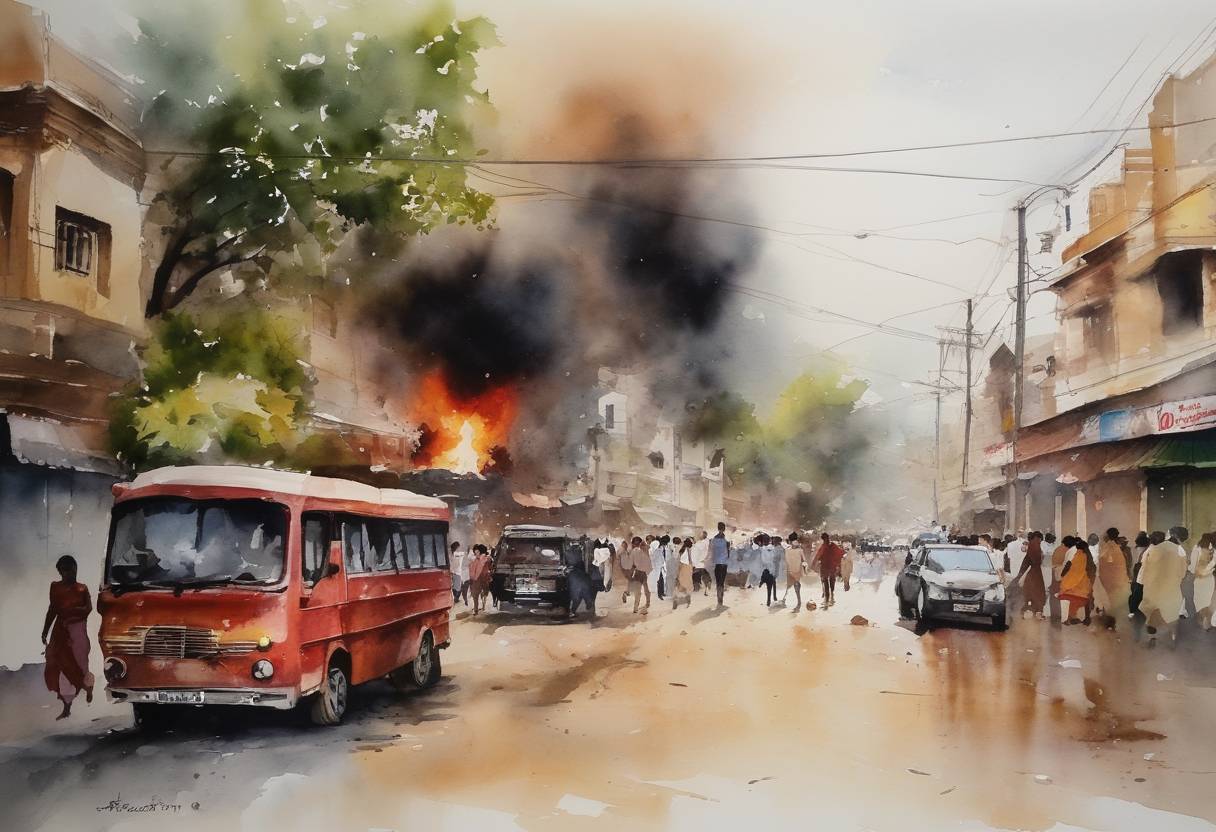
On February 17, 2013, Hyderabad, a major city in the southern Indian state of Telangana, experienced a tragic bomb attack. The attack resulted in the death of at least 16 people and left more than 100 others injured. The bombing is remembered as one of the significant terrorist incidents in the city’s history, causing widespread fear and prompting a stringent response from security agencies.
Hyderabad is a key hub of commerce, technology, and culture in India. Prior to the 2013 attack, the city had faced security challenges, including previous terror attacks orchestrated by various militant groups. The region’s complex socio-political landscape, along with the presence of sensitive communal fault lines, has made it a focal point for sporadic unrest and violence.
The bombings occurred in the bustling area of Dilsukhnagar, known for its crowded markets and bustling streets. This area’s density and popularity made it an attractive target for maximum impact.
The government announced intensified security measures across major cities. Federal agencies, including the National Investigation Agency (NIA), were involved in probing the blasts to track down those responsible for the attack.
The Hyderabad bombing of 2013 highlighted significant security vulnerabilities in urban Indian settings and underscored the persistent threats posed by militancy. It prompted discussions on bolstering intelligence networks and improving infrastructural resilience to prevent future attacks.
The attack reiterated the need for robust counter-terrorism strategies in India and highlighted the challenge of safeguarding populous urban areas from extremist activities. It served as a grim reminder of the ongoing fight against terror networks that operate both domestically and internationally, aiming to destabilize regions and incite fear.
Source: www.bbc.com