The Srebrenica Massacre: July 11, 1995
1995 · Srebrenica, Bosnia and Herzegovina
The Srebrenica massacre began during the Bosnian War, where more than 8,000 Bosniak men and boys were killed by units of the Army of Republika Srpska.
July 12, 1995
The Srebrenica Massacre occurred during the Bosnian War, where approximately 8,000 Bosniak men and boys were killed by units of the Army of Republika Srpska.
Srebrenica, Bosnia and Herzegovina | Army of Republika Srpska
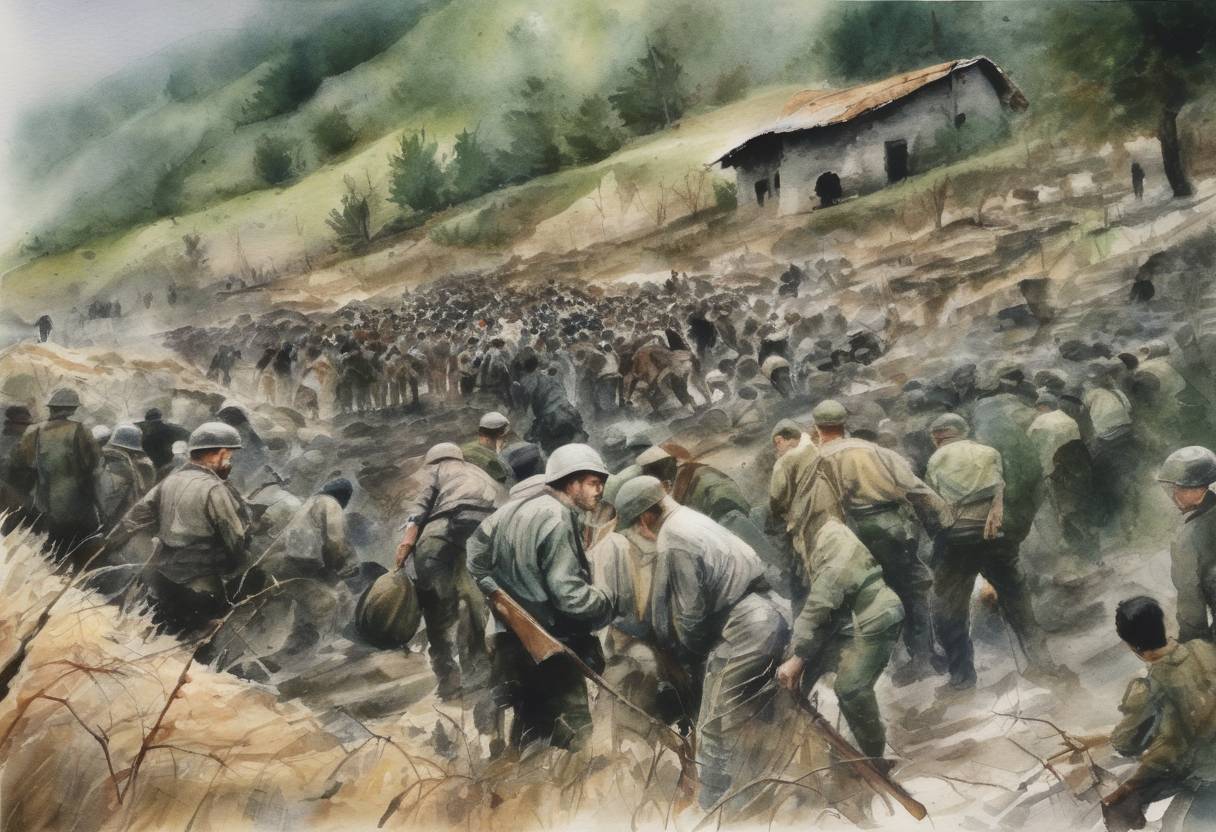
The Srebrenica Massacre, one of the most harrowing atrocities of the Bosnian War, reached a critical point on July 12, 1995, as the area saw an escalation in the horrific events that unfolded in the days prior. This massacre involved the systematic killing of more than 8,000 Bosniak men and boys by units of the Army of Republika Srpska, led by General Ratko Mladić.
The massacre took place during the Bosnian War (1992–1995), which was characterized by severe ethnic tensions and violence among Bosniaks, Croats, and Serbs following the breakup of Yugoslavia. The town of Srebrenica, located in eastern Bosnia and Herzegovina, was declared a UN “safe area” in April 1993, meant to be free from armed attacks or any other hostile acts.
On July 11, 1995, Srebrenica fell to Bosnian Serb forces after days of escalating attacks. Thousands of Bosniaks from the town and surrounding areas had flocked to Srebrenica, seeking protection from advancing Serb forces. As the enclave fell, thousands fled toward the nearby village of Potočari, hoping to find safety under the protection of Dutch UN peacekeeping forces stationed there.
On July 12, 1995, the Bosnian Serb forces began systematically separating men and boys from women and children. These males, estimated to be over 8,000, were transported to various execution sites across the region. In a span of just a few days, they were brutally executed, buried in mass graves, and in many cases, exhumed and reburied in secondary locations to disguise the scale of the killings.
The Srebrenica Massacre is recognized as the worst atrocity on European soil since World War II. It has been officially classified as an act of genocide by international courts. This event underscored the international community’s failure to prevent the genocide, even under the direct presence of UN peacekeepers.
In later years, multiple Serb military and political leaders, including General Ratko Mladić and former Bosnian Serb President Radovan Karadžić, were charged and convicted by the International Criminal Tribunal for the former Yugoslavia (ICTY) for their roles in orchestrating the massacre.
The massacre left a lasting impact on international law and sparked global discussions on the responsibilities of the international community to protect civilians in conflict zones. Its anniversary continues to serve as a solemn reminder of the horrors of ethnic violence and the vital importance of international peacekeeping efforts.
Source: en.wikipedia.org