2022 · Manila, Philippines
The Philippines' Commission on Elections disqualifies a leading presidential candidate over campaign finance violations ahead of the 2022 general election.
May 17, 2022
Voters in the Philippines elected Ferdinand 'Bongbong' Marcos Jr. as president, marking the return of the Marcos family and political influence decades after Ferdinand Marcos Sr.'s dictatorship.
Manila, Philippines | Commission on Elections
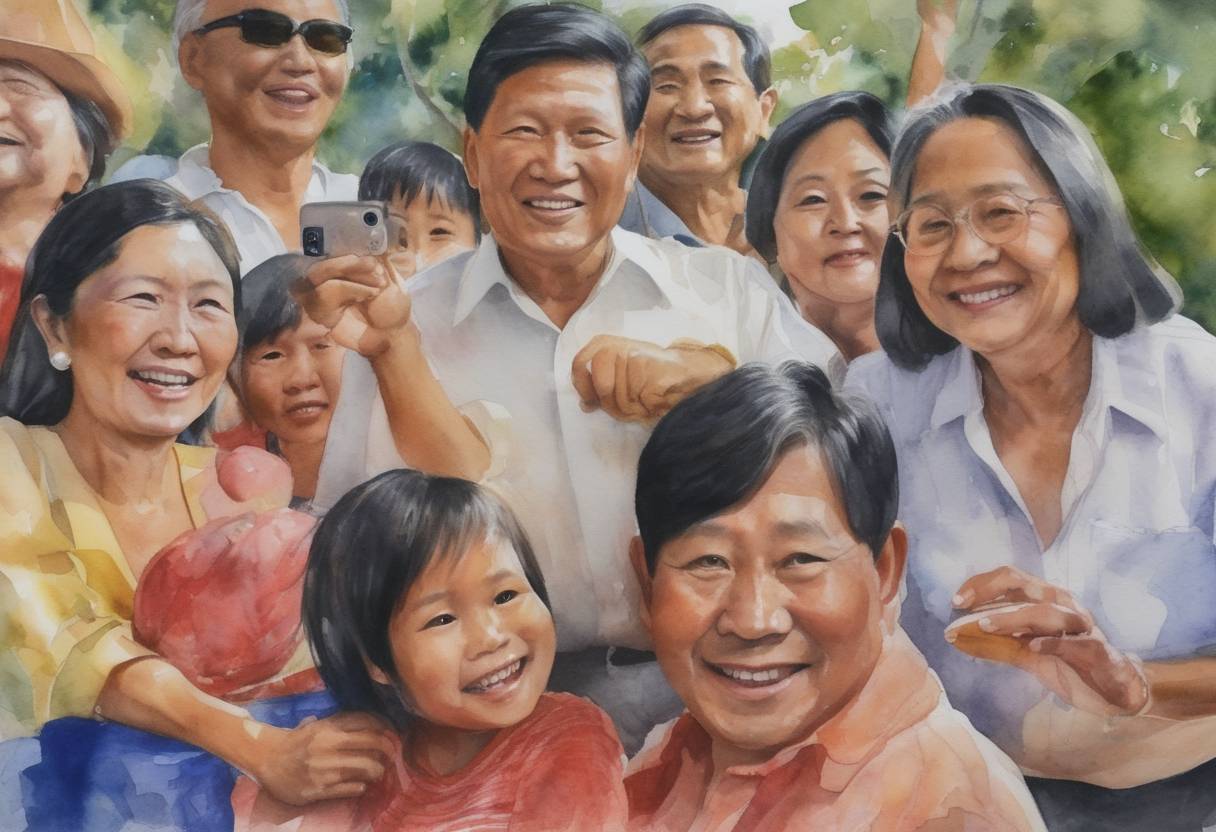
On May 17, 2022, Ferdinand “Bongbong” Marcos Jr. was officially declared the elected president of the Philippines. This marked the return of the Marcos family to political power, decades after the fall of Ferdinand Marcos Sr.’s regime.
Ferdinand Marcos Sr. ruled the Philippines from 1965 until he was ousted in 1986 during the People Power Revolution, a peaceful uprising that led to the restoration of democratic governance in the country. His rule was characterized by martial law, corruption, human rights abuses, and the subsequent accumulation of the family’s immense wealth.
The presidential election was held on May 9, 2022. Ferdinand Marcos Jr., running under the banner of the Partido Federal ng Pilipinas, secured a decisive victory with nearly 31 million votes, translating to about 59% of the total votes cast. This overwhelming majority highlighted significant public support, despite the controversial legacy of his father’s rule.
Marcos Jr. ran a campaign largely centered on unity and continuity, often evoking nostalgia for his father’s era, which some segments of the population view as a time of national progress and stability, despite its contentious nature. His campaign strategy effectively utilized social media platforms, spreading messages that resonated with younger voters who did not experience martial law.
Family Legacy: The election represents a significant rehabilitation of the Marcos family’s political image, which has long been plagued by allegations of corruption and abuse.
Political Landscape: The victory signifies a major shift in the Philippines’ political landscape, with traditional narratives around the Marcos dictatorship being re-evaluated by parts of the electorate.
Democratic Process: The election raised discussions about the role of social media and misinformation in political campaigns, emphasizing the complexities of modern democratic processes.
Continuity and Change: Marcos Jr.’s presidency raised questions about potential changes in policy directions, both domestically and in foreign policy, given the storied past of his family.
The inauguration took place on June 30, 2022, where Marcos Jr. assumed office, signaling the official resurgence of the Marcos family’s influence in the Philippines’ political sphere.
Source: www.bbc.com