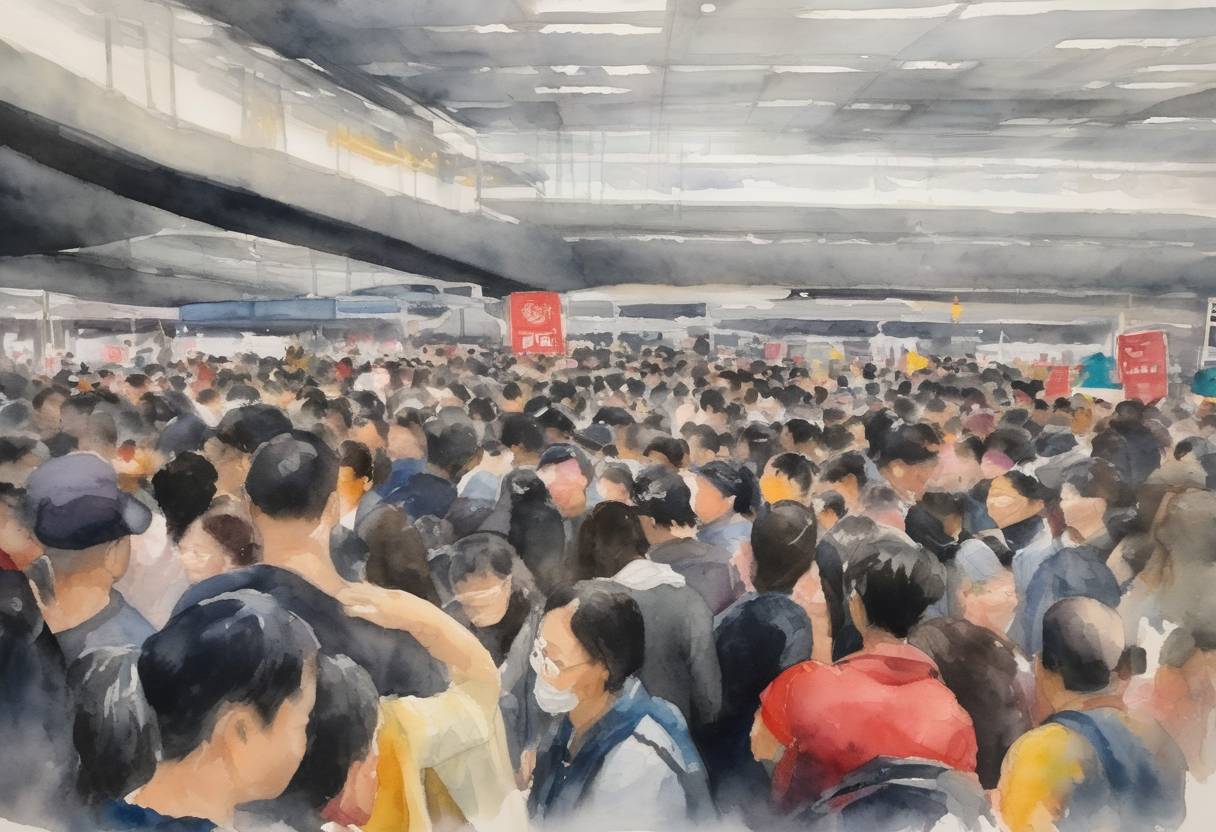
Hong Kong Protests and Airport Sit-in on August 13, 2019
On August 13, 2019, the pro-democracy protests in Hong Kong, which had been intensifying since June 2019, reached a critical point as demonstrators staged a massive sit-in at the Hong Kong International Airport. This action was part of a larger movement sparked initially by opposition to the proposed Extradition Bill that many feared would erode the region’s autonomy and judicial independence by allowing extraditions to mainland China.
Context Leading Up to the Events
The protests began in March 2019 and gained significant momentum in June as millions took to the streets to demand the withdrawal of the bill and broader democratic reforms. The government’s initial reluctance to fully withdraw the bill amplified the protests, leading to weekly demonstrations that increasingly confronted police presence with both non-violent and violent tactics from some protest factions.
Events of August 13, 2019
On this day, the protest at the airport led to significant disruptions, as demonstrators focused their efforts on one of the busiest transport hubs in the world.
- Occupation and Action: Thousands of protesters gathered in the airport’s arrivals and departures concourses, effectively halting operations. The sit-in followed several days of organizing under the slogan “An eye for an eye” after a protester was hit in the eye by a projectile, which became a potent symbol of the movement.
- Flight Cancellations: Due to the demonstration’s size and scope, airport authorities were forced to cancel numerous flights, causing disruptions to thousands of passengers and drawing international attention. The scene was marked by activists handing out pamphlets and explaining their cause to travelers from around the world.
- Police Response and Clashes: Tensions escalated when riot police arrived on the scene. Clashes manifested between some protesters and the police, leading to the arrest of several individuals. Reports indicated incidents of violence, including the beating of at least one protester by law enforcement officials.
Aftermath and Significance
The airport sit-in spotlighted the international dimension of the protests by directly impacting global air travel and catching widespread media coverage. This development pressured both the Hong Kong government and Beijing to consider responses to the growing unrest.
- Government Reaction: In the aftermath, Carrie Lam, the Chief Executive of Hong Kong, held press conferences seeking to de-escalate tensions but continued facing criticism for her handling of the situation.
- Continuity of Protests: Despite the airport incidents and subsequent legal ramifications for some protesters, the demonstrations continued. They evolved to emphasize broader themes of democracy, human rights, and resistance against perceived Chinese encroachment on Hong Kong’s freedoms.
The events of August 13 emphasized the deepening crisis in Hong Kong and underscored the protest movement’s tenacity and complexity, significantly influencing the city’s socio-political climate in the months that followed.