Jean-Baptiste Bernadotte Ascends to the Throne of Sweden
1818 · Stockholm, Sweden
Jean-Baptiste Bernadotte ascends to the throne of Sweden as King Charles XIV John.
March 29, 1792
Gustav III of Sweden died from gunshot wounds received during an assassination attempt on March 16, leaving Sweden under the regency of his son, Gustav IV Adolf.
Stockholm, Sweden | Swedish monarchy
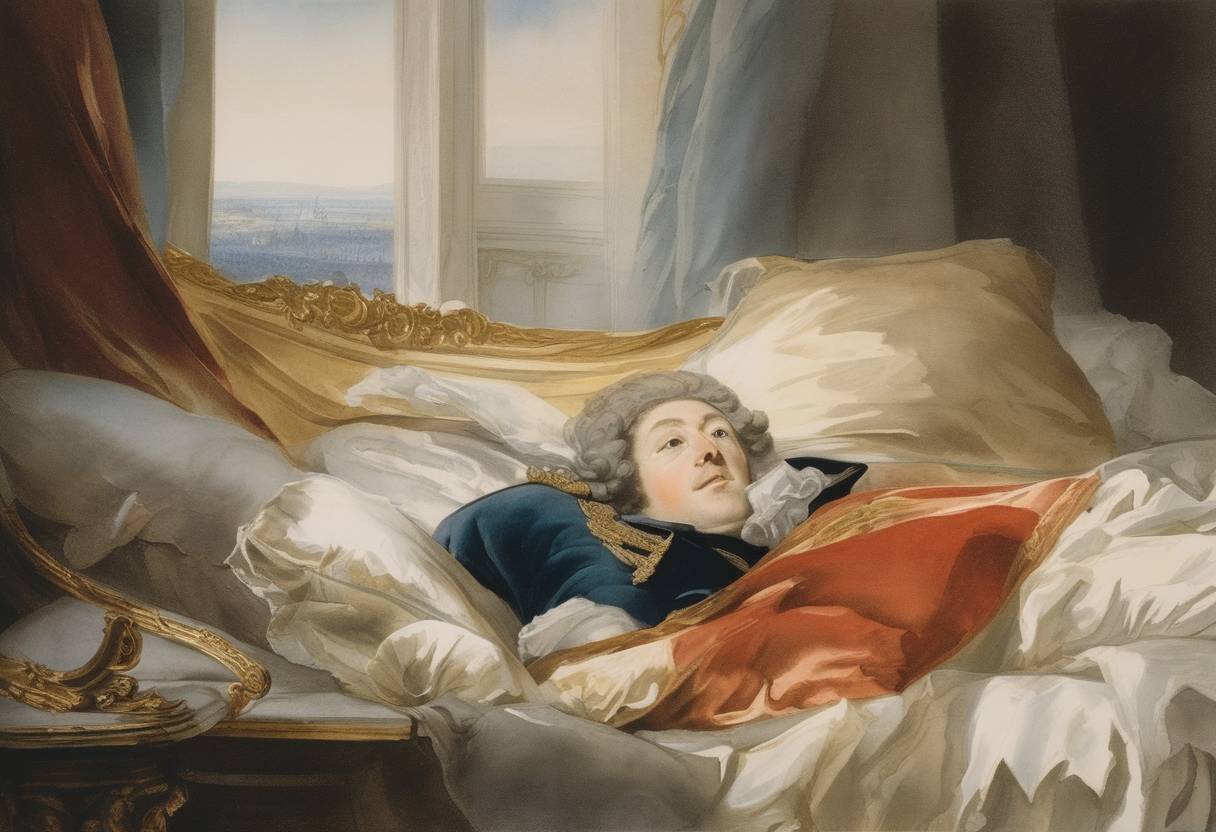
On March 29, 1792, Gustav III of Sweden succumbed to gunshot wounds he received during an assassination attempt at a masquerade ball held on March 16, 1792, at the Royal Opera House in Stockholm. This event marked a significant turning point in Swedish history.
Gustav III, a monarch known for his efforts to centralize power and pursue Enlightenment ideals, faced growing opposition from the Swedish nobility. The discontent culminated in a conspiracy led by a faction of nobles who resented his autocratic rule and reforms diminishing noble privileges.
During the extravagant masquerade ball, which was a common entertainment among the European elite of the time, Anckarström shot the king in the back. Though the wound was initially not believed to be fatal, the bullet caused severe internal injuries that led to the king’s decline.
Following Gustav III’s death on March 29, his son, Gustav IV Adolf, inherited the throne at the tender age of 14. Due to his minority, Sweden entered a period of regency under his uncle, Duke Charles, who became Charles XIII. This transition marked a return to aristocratic influence in the governance of Sweden, which persisted until Gustav IV Adolf assumed full control in 1796.
The assassination had long-lasting implications for Sweden, contributing to a shift in political power and affecting the country’s subsequent engagement in European affairs. Gustav III’s ambitious projects, including strengthening the monarchy and fostering culture, left a complex legacy marked by both progress and strife.
Gustav III’s rule, his assassination, and the subsequent regency period highlight a tumultuous era in Swedish history characterized by a struggle between monarchy and nobility. The events following his death set the stage for constitutional changes and political realignment in Sweden.
Source: en.wikipedia.org