Famine Declaration in South Sudan - February 20, 2017
2017 · Juba, South Sudan
The United Nations declared the famine in parts of South Sudan, affecting over 100,000 people and putting millions more at risk of starvation.
September 1, 1997
The first shipment of humanitarian aid from the United Nations arrived in North Korea to help address severe famine conditions.
Pyongyang, North Korea | United Nations
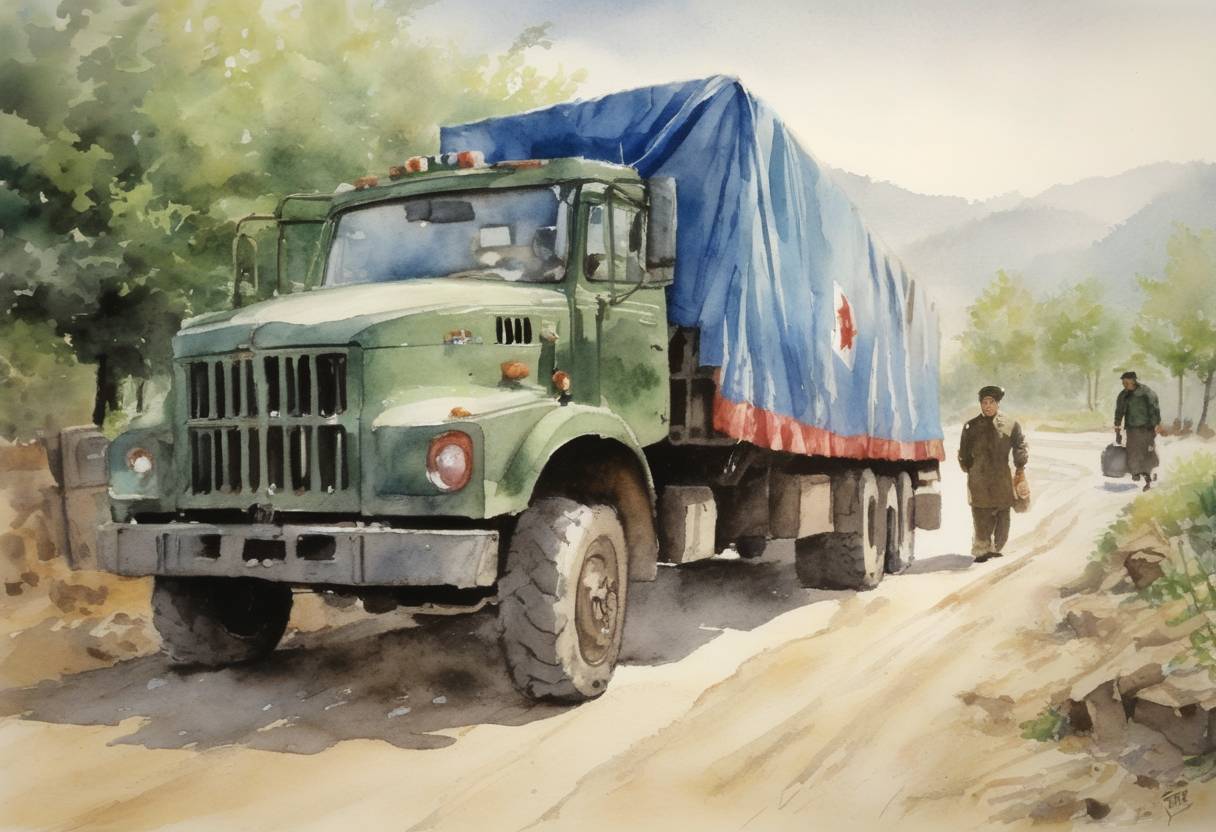
On September 1, 1997, the United Nations made a crucial humanitarian intervention by delivering its first shipment of aid to North Korea amidst a devastating famine. This period marked one of the most severe famines in the late 20th century, characterized by widespread food shortages that severely affected the North Korean population.
The origins of the famine can be traced back to the mid-1990s when a series of natural disasters, including floods in 1995 and 1996, ravaged North Korea’s agricultural land. The situation was exacerbated by systemic inefficiencies in the country’s centralized agricultural policies and the loss of Soviet support, contributing to the overall food crisis. By 1997, an estimated 2–3 million North Koreans were at risk of starvation.
The international community, recognizing the severity of the situation, mobilized resources to assist North Korea. The United Nations, through its agencies such as UNICEF and the World Food Programme (WFP), coordinated the delivery of essential supplies. This first shipment consisted of food aid, including cereals and pulses, as well as essential medical supplies to address malnutrition and associated health conditions.
The delivery of humanitarian aid was a pivotal moment in addressing the famine. It marked a rare moment of cooperation between North Korea and international bodies amid a tense geopolitical climate. The aid helped alleviate some immediate suffering, although challenges in aid distribution within North Korea persisted due to governmental control and restrictions on monitoring by international agencies.
The UN’s involvement laid the foundation for ongoing international humanitarian assistance programs in North Korea. However, the crisis highlighted the complexities of providing aid in politically sensitive regions and underscored the importance of sustainable agricultural and economic policies to prevent future famines.
The 1997 aid efforts remain a significant chapter in the history of international humanitarian intervention, reflecting both the potential and limitations of global responses to severe humanitarian crises.
Source: www.un.org