The Theft of the Mona Lisa: August 21, 1911
1911 · Paris, France
The Mona Lisa is stolen from the Louvre by a museum employee.
December 12, 1913
The Mona Lisa was recovered by Italian authorities after being stolen from the Louvre Museum in Paris in 1911.
Florence, Italy | Police
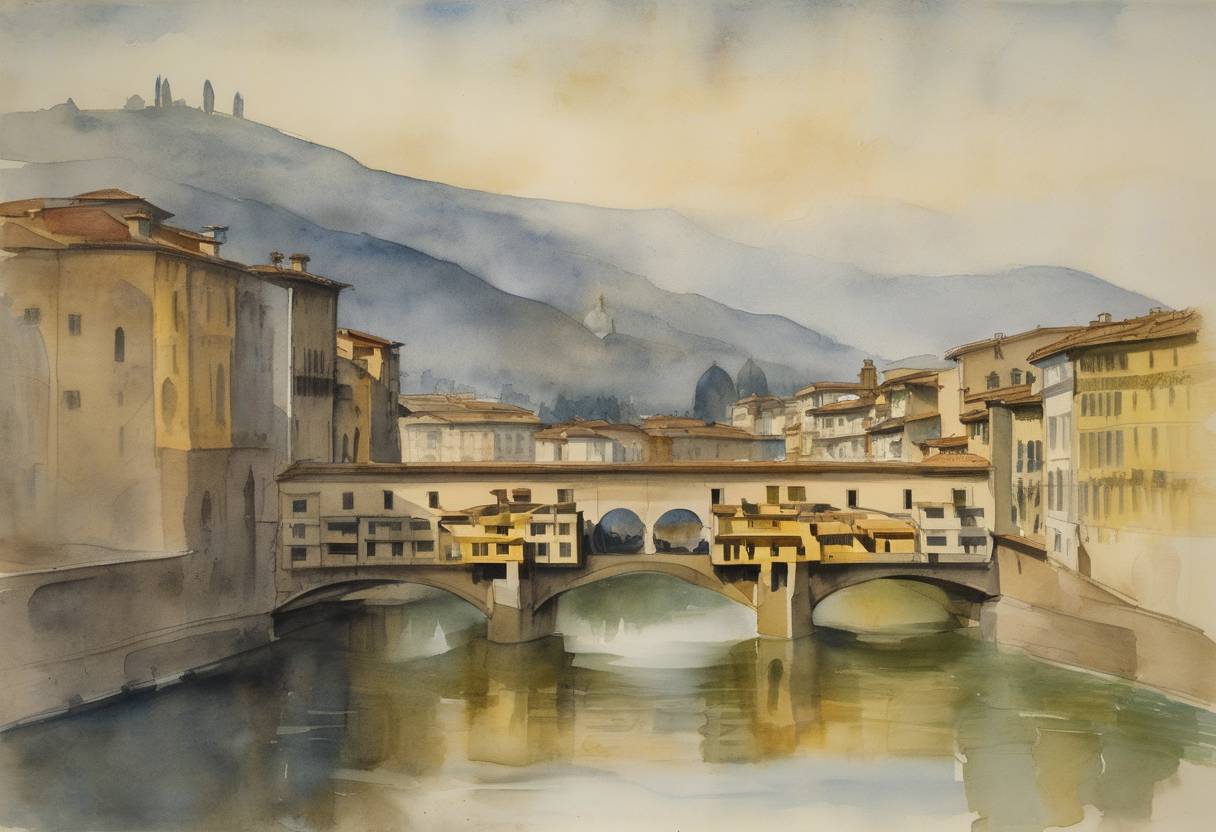
On December 12, 1913, the iconic painting The Mona Lisa, created by Leonardo da Vinci, was recovered by Italian authorities in Florence, Italy, over two years after its theft from the Louvre Museum in Paris. The painting had gone missing on August 21, 1911, in what became one of the most notorious art thefts in history.
The Mona Lisa, also known as La Gioconda, had been on display at the Louvre Museum after being acquired by King Francis I of France in the early 16th century. Its enigmatic expression and artistic mastery by Leonardo da Vinci drew significant attention, elevating it to one of the most famous paintings in the world by the time it was stolen.
On the morning of August 21, 1911, museum officials discovered the painting was missing. The thief, Vincenzo Peruggia, an Italian handyman who had previously worked at the Louvre, had apparently hidden inside the museum overnight and took the painting during the early hours of Monday morning.
Peruggia’s motivation was rooted in his belief that The Mona Lisa should be returned to Italy, its place of origin. This act was fueled by a surge of Italian nationalism and a sense of reclaiming cultural heritage.
Peruggia kept the painting hidden in a trunk in his apartment in Paris until he decided to bring it to Italy in late 1913. He contacted Alfredo Geri, a Florentine art dealer, and attempted to sell the painting under the alias “Leonardo Vincenzo.” Geri, suspicious of the offer, arranged a meeting with Peruggia and subsequently verified the painting’s authenticity with Giovanni Poggi, director of the Uffizi Gallery.
Upon confirmation, Italian police moved quickly to seize the painting and arrest Peruggia. He was subsequently tried and sentenced to a relatively short prison term, largely due to the public’s empathy for his patriotic motives.
The recovery was a significant cultural event, reinforcing The Mona Lisa’s status as a symbol of artistic and national pride. Its theft and retrieval only added to its mystique and fame. After being exhibited briefly in Italy, the painting was returned to the Louvre in Paris in 1914, where it remains one of the museum’s most visited exhibits.
The incident highlighted issues of art security and led to improved protective measures for artworks, particularly those of significant cultural value.
Source: www.history.com