The Treaty on the Non-Proliferation of Nuclear Weapons (NPT) Opens for Signature
1968 · New York, United States
The Treaty on the Non-Proliferation of Nuclear Weapons (NPT) opened for signature.
August 5, 1963
The United States, the United Kingdom, and the Soviet Union signed the Partial Nuclear Test Ban Treaty, prohibiting all test detonations of nuclear weapons except underground.
Moscow, Soviet Union | United Nations
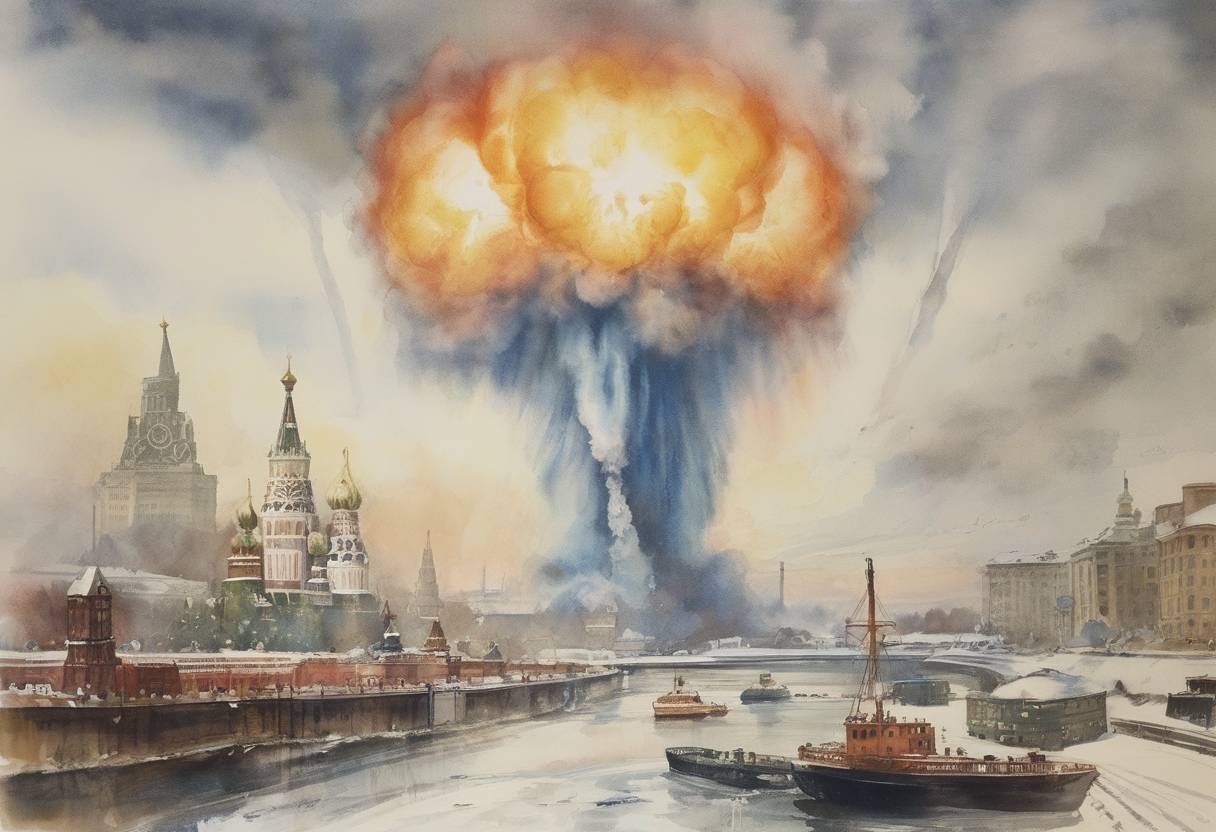
On August 5, 1963, a significant step towards nuclear disarmament and international cooperation was taken when the United States, the United Kingdom, and the Soviet Union signed the Partial Nuclear Test Ban Treaty (PTBT) in Moscow. This treaty marked a pivotal moment in the Cold War era, aiming to curb the nuclear arms race and reduce environmental contamination from radioactive fallout.
The development and testing of nuclear weapons had escalated significantly following World War II, leading to heightened tensions during the Cold War. The atmospheric testing of nuclear weapons was a major concern due to the radioactive fallout that posed serious health and environmental risks globally. The Cuban Missile Crisis of 1962 further underscored the urgent need for measures to prevent nuclear conflict.
The Partial Nuclear Test Ban Treaty prohibited all test detonations of nuclear weapons except those conducted underground. The main provisions included:
The Partial Nuclear Test Ban Treaty was a crucial step in the broader movement towards nuclear disarmament. Although it did not end the nuclear arms race, it was a significant diplomatic achievement that demonstrated the possibility of cooperation in the pursuit of global security. The treaty’s legacy continues to influence international arms control efforts and remains a foundational element of nuclear non-proliferation initiatives.
In summary, the signing of the Partial Nuclear Test Ban Treaty on August 5, 1963, was a landmark event in the history of nuclear disarmament, reflecting a collective commitment to reducing the threat of nuclear weapons and protecting the environment from their destructive effects.
Source: en.wikipedia.org