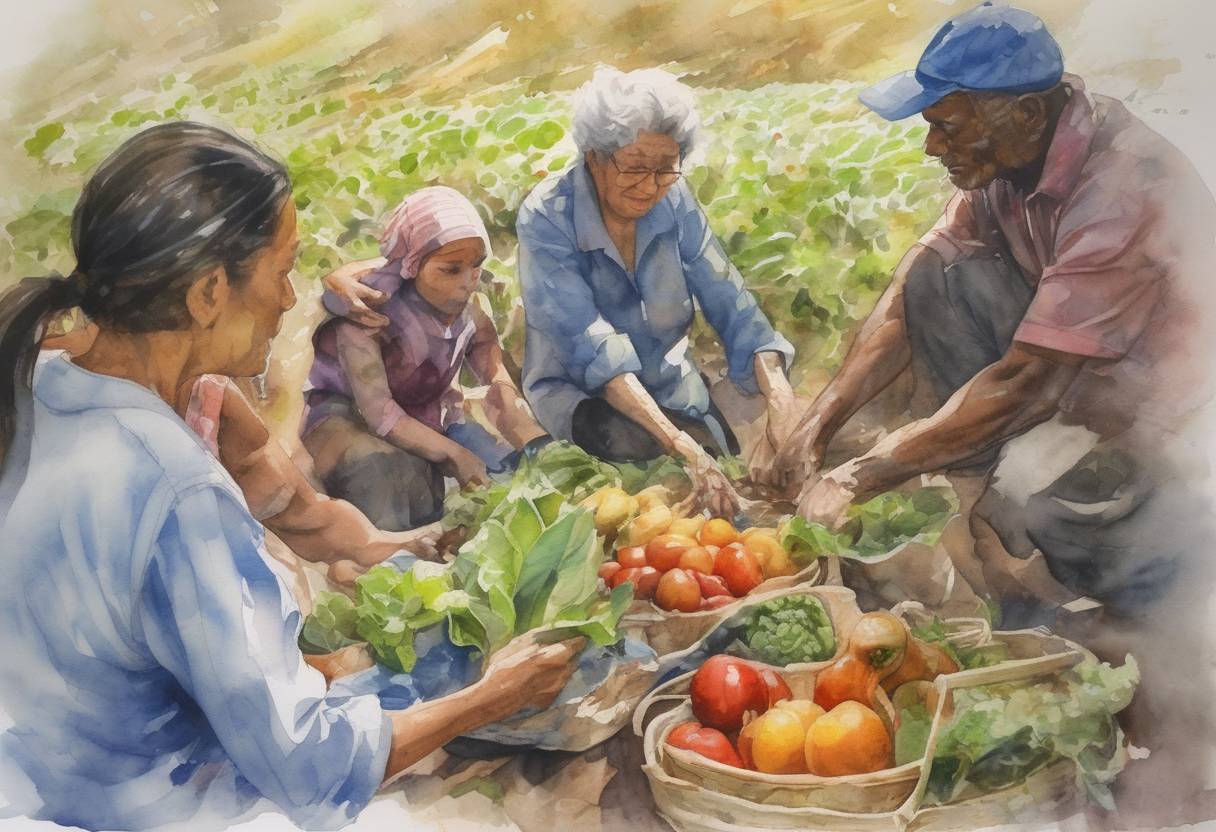
International Year of Family Farming - June 18, 2014
On June 18, 2014, the United Nations officially declared the start of the International Year of Family Farming (IYFF). This initiative aimed to highlight and promote the significant role that family farming plays in eradicating hunger and poverty, ensuring food security, and managing natural resources sustainably.
Context and Background
Family farming is a vital component of the global agricultural landscape. It encompasses all family-based agricultural activities and is linked to several areas of rural development. The UN’s declaration was part of a broader effort to recognize the contributions of family farmers, who are responsible for producing over 80% of the world’s food in terms of value.
Key Objectives
Raise Awareness: The IYFF sought to increase public awareness about the importance of family farming in reducing hunger and poverty.
Policy Support: It aimed to encourage governments to adopt policies that support family farmers, ensuring they have access to resources, markets, and technologies.
Sustainable Practices: The initiative promoted sustainable agricultural practices that family farmers often employ, which are crucial for environmental conservation and biodiversity.
Empowerment: It focused on empowering family farmers, particularly women and young people, to improve their livelihoods and strengthen rural communities.
Events Leading Up to the Declaration
The declaration of the IYFF was the culmination of efforts by various international organizations, including the Food and Agriculture Organization (FAO) and the International Fund for Agricultural Development (IFAD). These organizations highlighted the need to support family farming as a means to achieve the Millennium Development Goals (MDGs), particularly those related to hunger and poverty.
Significance and Impact
The IYFF brought global attention to the challenges faced by family farmers, such as limited access to land, credit, and markets. It also underscored the potential of family farming to contribute to sustainable development goals (SDGs) by fostering economic growth, reducing inequalities, and promoting responsible consumption and production patterns.
Aftermath and Legacy
The International Year of Family Farming led to increased dialogue and collaboration among governments, civil society, and international organizations. It resulted in the development of policies and programs aimed at supporting family farmers worldwide. The initiative also laid the groundwork for future efforts to integrate family farming into broader development agendas.
In summary, the UN’s declaration on June 18, 2014, marked a significant step in recognizing and supporting the critical role of family farming in achieving global food security and sustainable development.